
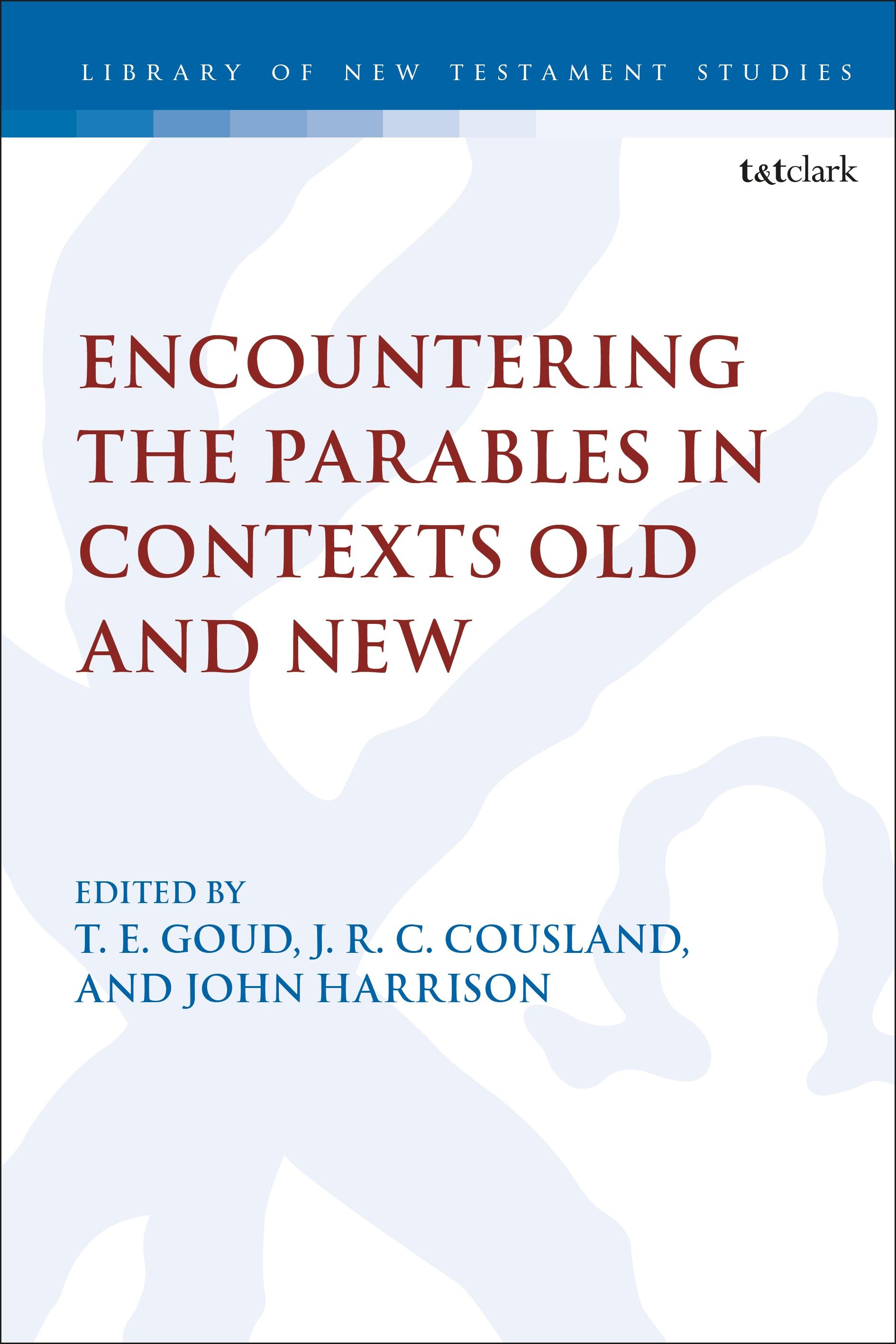
The contributors to this book pursue three important lines of inquiry into parable study, in order to illustrate how these lessons have been received throughout the millennia. The contributors consider not only the historical and material world of the parables' composition, and focusing on the social, political, economic, and material reality of that world, but also seek to connect how the parables may have been seen and heard in ancient contexts with how they have been, and continue to be, seen and heard.
Intentionally allowing for a “bounded openness” of approach and interpretation, these essays explore numerous contexts, encounters and responses. Examining topics ranging from ancient harvest imagery and dependency relations to contemporary experience with the narratives and lessons of the parables, this volume seeks to link those very real ancient contexts with our own varied modern contexts.
Intentionally allowing for a “bounded openness” of approach and interpretation, these essays explore numerous contexts, encounters and responses. Examining topics ranging from ancient harvest imagery and dependency relations to contemporary experience with the narratives and lessons of the parables, this volume seeks to link those very real ancient contexts with our own varied modern contexts.
Płać wygodnie kartą, Klarną, Apple Pay lub Google Pay. Nie jesteś zadowolony? Zawsze masz 14-dniową gwarancję zwrotu pieniędzy. Więcej przeczytasz w naszych warunkach. Masz pytania? Napisz do nas na hello@memmo.org.
Memmo ułatwia naukę – gdziekolwiek jesteś na świecie. U nas znajdziesz podręczniki i sprytne narzędzia do nauki w jednym miejscu: streszczenia, quizy, podcasty i fiszki. A do tego Ted, Twój kumpel do nauki, który odpowie na wszystko, co Cię nurtuje. Ponad 50 000 studentów już tu się uczy – stworzone, byś uczył się szybciej i mniej stresował.