
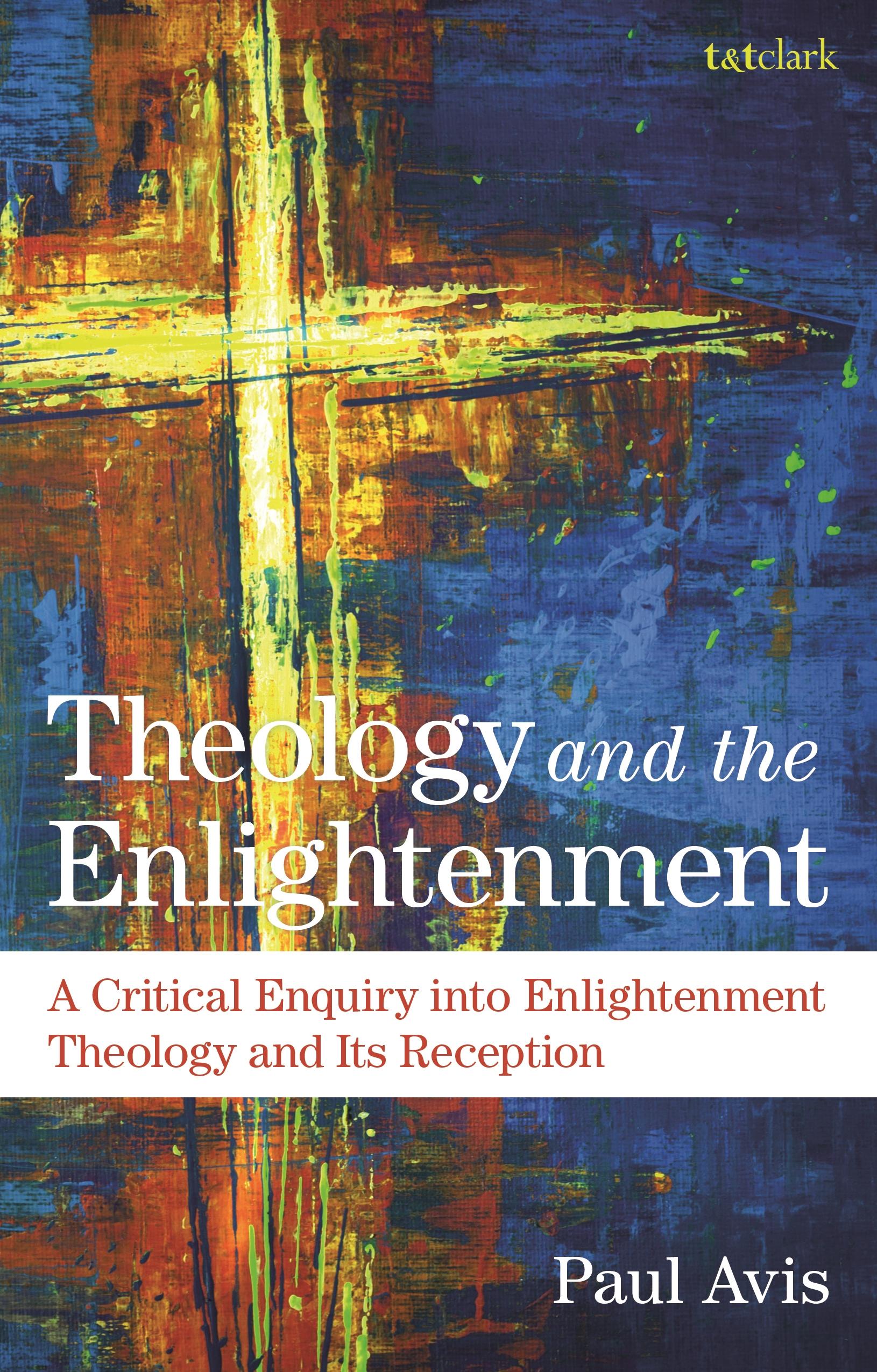
Challenging the common assumption that the Enlightenment of the late seventeenth and the eighteenth centuries was an essentially secular, irreligious and atheistic movement, this book critiques this standard interpretation as based on a narrow view of Enlightenment sources.
Building on the work of revisionist historians, this volume takes the argument squarely into the theological domain, whether Anglican, Dissenting, Lutheran or deistic, whilst also noting that the Enlightenment deeply affected Roman Catholic and Jewish theologies. It challenges the stereotype of 'Enlightenment rationalism', and the penultimate chapter brings out the biblical and ecclesial roots of the image of enlightenment and reclaims it for Christian faith.
Building on the work of revisionist historians, this volume takes the argument squarely into the theological domain, whether Anglican, Dissenting, Lutheran or deistic, whilst also noting that the Enlightenment deeply affected Roman Catholic and Jewish theologies. It challenges the stereotype of 'Enlightenment rationalism', and the penultimate chapter brings out the biblical and ecclesial roots of the image of enlightenment and reclaims it for Christian faith.
Płać wygodnie kartą, Klarną, Apple Pay lub Google Pay. Nie jesteś zadowolony? Zawsze masz 14-dniową gwarancję zwrotu pieniędzy. Więcej przeczytasz w naszych warunkach. Masz pytania? Napisz do nas na hello@memmo.org.
Memmo ułatwia naukę – gdziekolwiek jesteś na świecie. U nas znajdziesz podręczniki i sprytne narzędzia do nauki w jednym miejscu: streszczenia, quizy, podcasty i fiszki. A do tego Ted, Twój kumpel do nauki, który odpowie na wszystko, co Cię nurtuje. Ponad 50 000 studentów już tu się uczy – stworzone, byś uczył się szybciej i mniej stresował.