
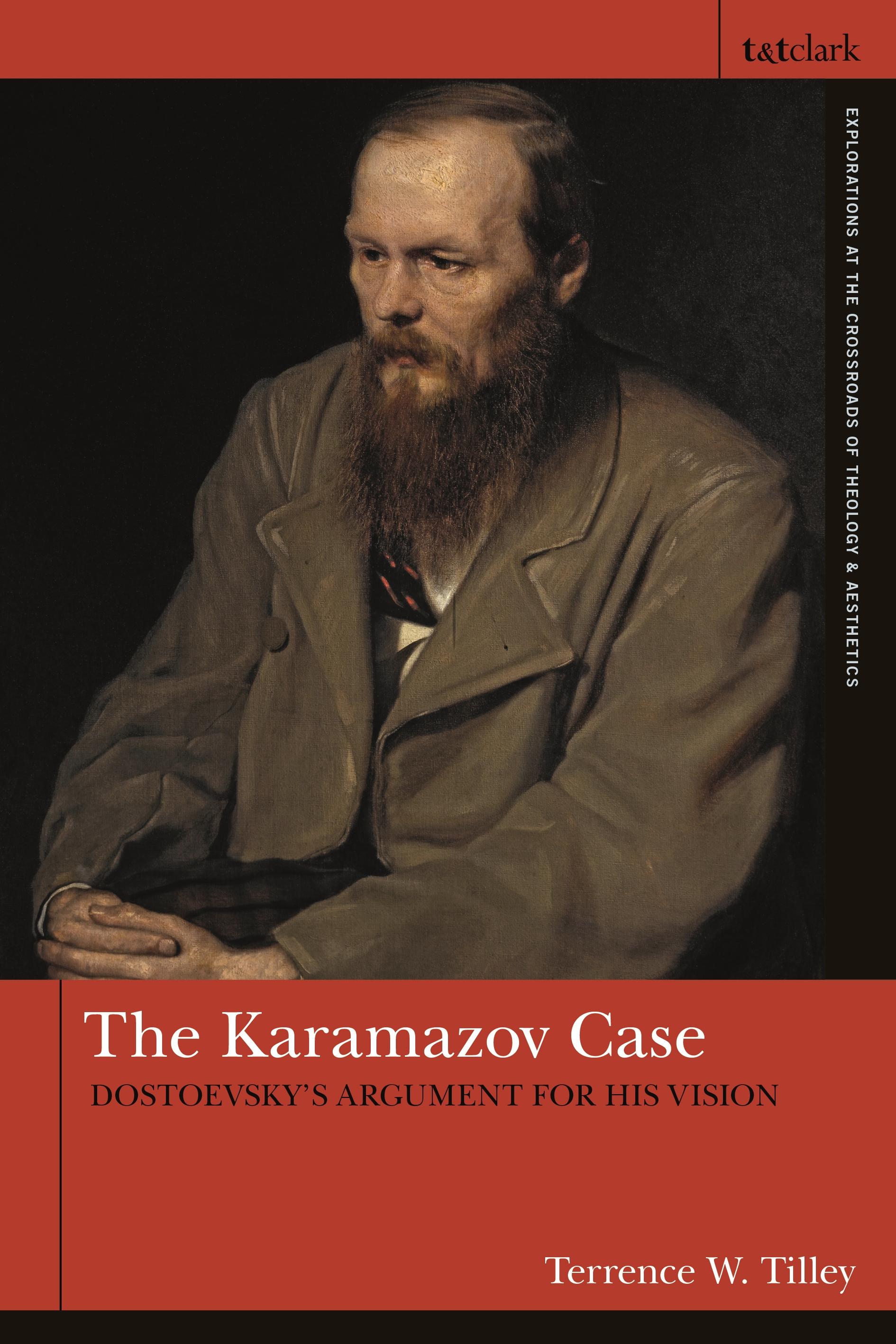
This is a new interpretation of Dostoevsky's novel The Brothers Karamazov that scrutinizes it as a performative event (the “polyphony” of the novel) revealing its religious, philosophical, and social meanings through the interplay of mentalités or worldviews that constitute an aesthetic whole. This way of discerning the novel's social vision of sobornost' (a unity between harmony and freedom), its vision of hope, and its more subtle sacramental presuppositions, raises Tilley's interpretation beyond the standard “theology and literature” treatments of the novel and interpretations that treat the novel as providing solutions to philosophical problems.
Tilley develops Bakhtin's thoughtful analysis of the polyphony of the novel using communication theory and readers/hearer response criticism, and by using Bakhtin's operatic image of polyphony to show the error of taking "faith vs. reason", argues that at the end of the novel, the characters learned to carry on, in a quiet shared commitment to memory and hope.
Tilley develops Bakhtin's thoughtful analysis of the polyphony of the novel using communication theory and readers/hearer response criticism, and by using Bakhtin's operatic image of polyphony to show the error of taking "faith vs. reason", argues that at the end of the novel, the characters learned to carry on, in a quiet shared commitment to memory and hope.
Płać wygodnie kartą, Klarną, Apple Pay lub Google Pay. Nie jesteś zadowolony? Zawsze masz 14-dniową gwarancję zwrotu pieniędzy. Więcej przeczytasz w naszych warunkach. Masz pytania? Napisz do nas na hello@memmo.org.
Memmo ułatwia naukę – gdziekolwiek jesteś na świecie. U nas znajdziesz podręczniki i sprytne narzędzia do nauki w jednym miejscu: streszczenia, quizy, podcasty i fiszki. A do tego Ted, Twój kumpel do nauki, który odpowie na wszystko, co Cię nurtuje. Ponad 50 000 studentów już tu się uczy – stworzone, byś uczył się szybciej i mniej stresował.