
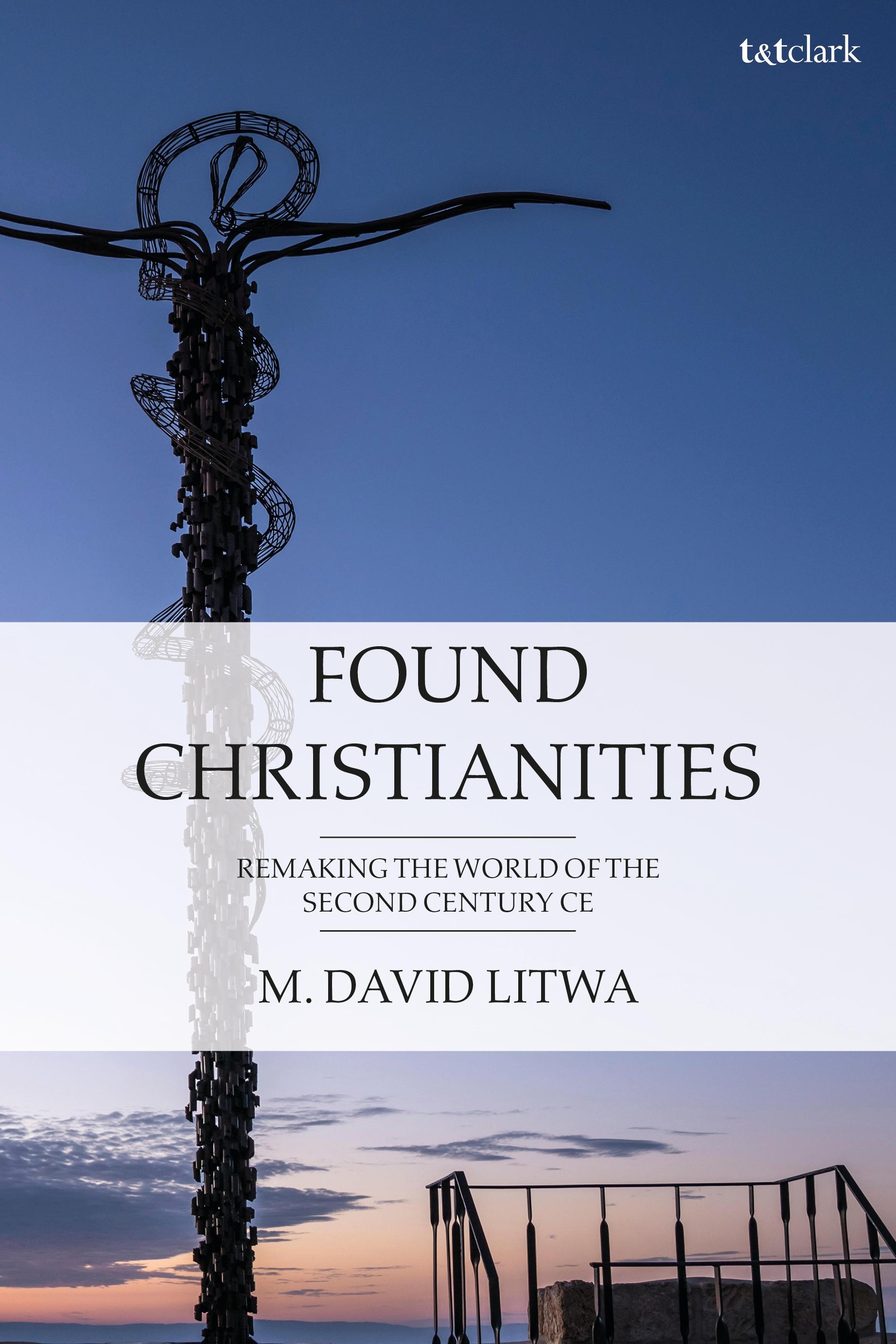
M. David Litwa tells the stories of the early Christians whose religious identity was either challenged or outright denied. In the second century many different groups and sects claimed to be the only Orthodox or authentic version of Christianity, and Litwa shows how those groups and figures on the side of developing Christian Orthodoxy often dismissed other versions of Christianity by refusing to call them “Christian”. However, the writings and treatises against these groups contain fascinating hints of what they believed, and why they called themselves Christian.
Litwa outlines these different groups and the controversies that surrounded them, presenting readers with an overview of the vast tapestry of beliefs that made up second century Christianity. By moving beyond notions of “gnostic”, “heretical” and “orthodox” Litwa allows these “lost Christianities” to speak for themselves. He also questions the notion of some Christian identities “surviving” or “perishing”, arguing that all second century "Catholic" groups look very different to any form of modern Roman Catholicism.
Litwa shows that countless discourses, ideas, and practices are continually recycled and adapted throughout time in the building of Christian identities, and indeed that the influence of so-called “lost” Christianities can still be felt today.
Litwa outlines these different groups and the controversies that surrounded them, presenting readers with an overview of the vast tapestry of beliefs that made up second century Christianity. By moving beyond notions of “gnostic”, “heretical” and “orthodox” Litwa allows these “lost Christianities” to speak for themselves. He also questions the notion of some Christian identities “surviving” or “perishing”, arguing that all second century "Catholic" groups look very different to any form of modern Roman Catholicism.
Litwa shows that countless discourses, ideas, and practices are continually recycled and adapted throughout time in the building of Christian identities, and indeed that the influence of so-called “lost” Christianities can still be felt today.
Płać wygodnie kartą, Klarną, Apple Pay lub Google Pay. Nie jesteś zadowolony? Zawsze masz 14-dniową gwarancję zwrotu pieniędzy. Więcej przeczytasz w naszych warunkach. Masz pytania? Napisz do nas na hello@memmo.org.
Memmo ułatwia naukę – gdziekolwiek jesteś na świecie. U nas znajdziesz podręczniki i sprytne narzędzia do nauki w jednym miejscu: streszczenia, quizy, podcasty i fiszki. A do tego Ted, Twój kumpel do nauki, który odpowie na wszystko, co Cię nurtuje. Ponad 50 000 studentów już tu się uczy – stworzone, byś uczył się szybciej i mniej stresował.