
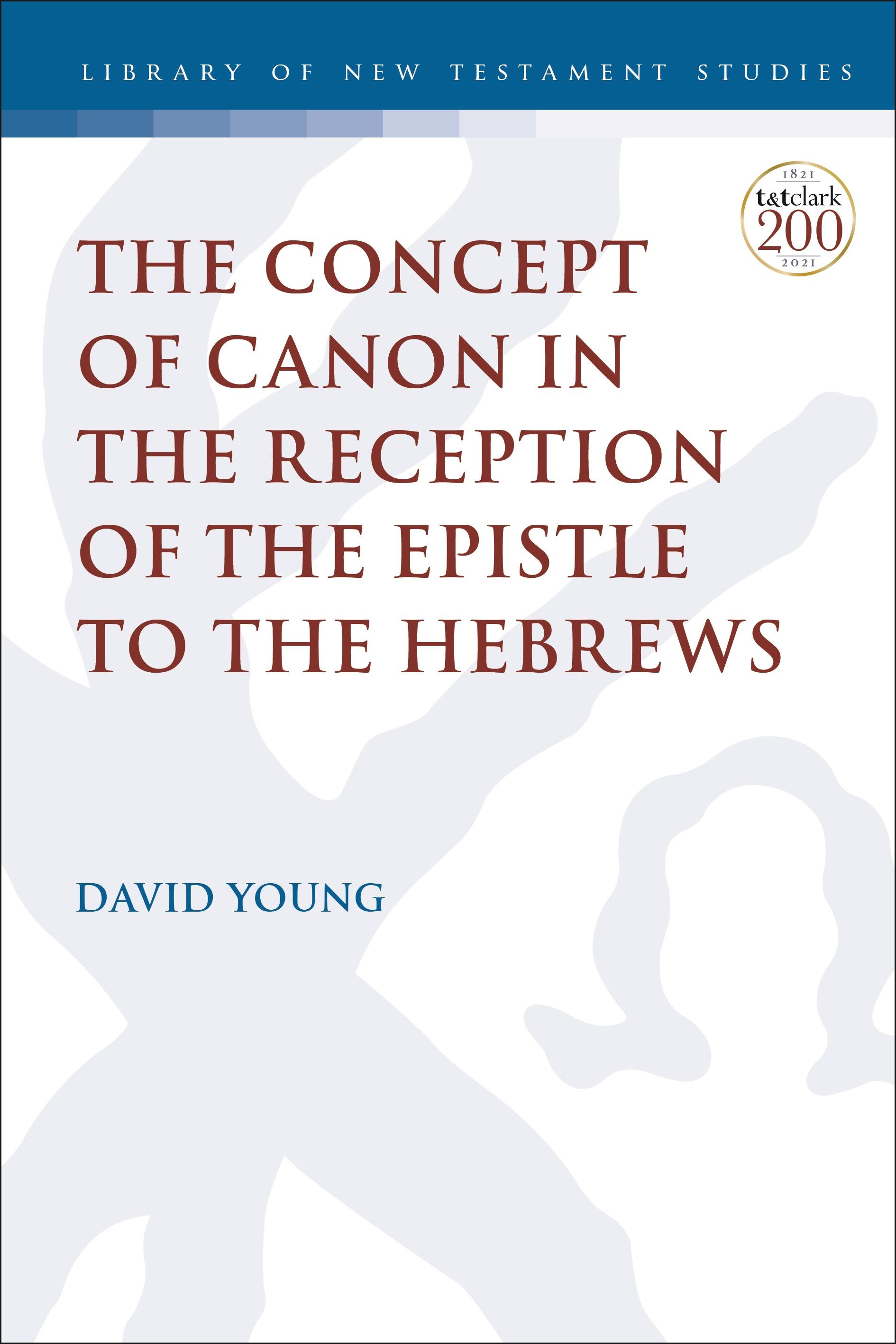
David Young argues that the reception of the Epistle to the Hebrews in early Christianity was influenced by a number of factors which had little to do with debates about an authoritative canon of Christian writings, and which were primarily the concern of a relatively small group of highly educated scholars.
Through careful study of the quotations and reproductions of Hebrews in their own rhetorical and material context, Young stresses that the concept of canon had little bearing on its early reception. By exploring the transformation of authorship into authority, the patristic citations of Hebrews, the Epistle's position in edited collections of the Pauline corpus and the consequences of translation, this complex reception history illustrates the myriad ways in which early Christians thought of and interacted with their scriptures.
Through careful study of the quotations and reproductions of Hebrews in their own rhetorical and material context, Young stresses that the concept of canon had little bearing on its early reception. By exploring the transformation of authorship into authority, the patristic citations of Hebrews, the Epistle's position in edited collections of the Pauline corpus and the consequences of translation, this complex reception history illustrates the myriad ways in which early Christians thought of and interacted with their scriptures.
Strony: 176
Kategoria: Religion & Teologi
e-ISBN: 9780567701374
Waga przesyłki: 1.2 kg
Wysyłka w ciągu: 1-2 dni
Płać wygodnie kartą, Klarną, Apple Pay lub Google Pay. Nie jesteś zadowolony? Zawsze masz 14-dniową gwarancję zwrotu pieniędzy. Więcej przeczytasz w naszych warunkach. Masz pytania? Napisz do nas na hello@memmo.org.
Memmo ułatwia naukę – gdziekolwiek jesteś na świecie. U nas znajdziesz podręczniki i sprytne narzędzia do nauki w jednym miejscu: streszczenia, quizy, podcasty i fiszki. A do tego Ted, Twój kumpel do nauki, który odpowie na wszystko, co Cię nurtuje. Ponad 50 000 studentów już tu się uczy – stworzone, byś uczył się szybciej i mniej stresował.