
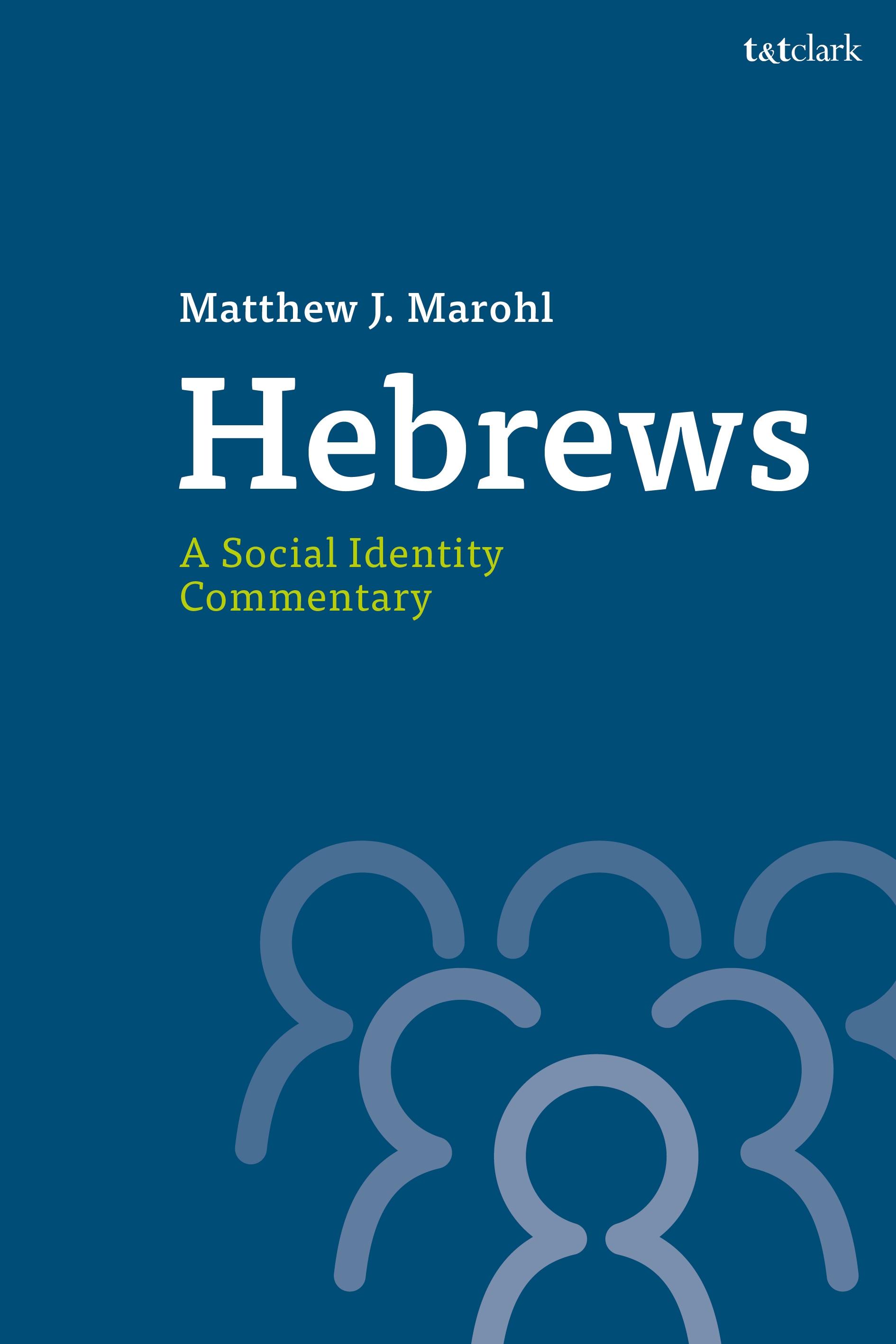
In this volume, Matthew J. Marohl introduces a culturally sensitive reading of Hebrews employing a social identity approach. This allows readers to encounter a unique and powerful depiction of the faithful Jesus and a dynamic group of Christ-followers called upon to maintain their faithfulness. In the end, this social identity approach reveals a work with two strands thoroughly intertwined.
Through the lens of conceptual blending theory, Marohl examines the way in which the author combines the multiple identities of the addressees, shedding light on the community dynamics of early Christ followers. Marohl explores how the author describes ingroup boundaries, how faithfulness is held up as the ultimate ingroup norm, and how the promised rest is grounded in the language of the anticipated future. Ultimately, Marohl argues that Hebrews is a prime example of literature created out of crisis.
Through the lens of conceptual blending theory, Marohl examines the way in which the author combines the multiple identities of the addressees, shedding light on the community dynamics of early Christ followers. Marohl explores how the author describes ingroup boundaries, how faithfulness is held up as the ultimate ingroup norm, and how the promised rest is grounded in the language of the anticipated future. Ultimately, Marohl argues that Hebrews is a prime example of literature created out of crisis.
Płać wygodnie kartą, Klarną, Apple Pay lub Google Pay. Nie jesteś zadowolony? Zawsze masz 14-dniową gwarancję zwrotu pieniędzy. Więcej przeczytasz w naszych warunkach. Masz pytania? Napisz do nas na hello@memmo.org.
Memmo ułatwia naukę – gdziekolwiek jesteś na świecie. U nas znajdziesz podręczniki i sprytne narzędzia do nauki w jednym miejscu: streszczenia, quizy, podcasty i fiszki. A do tego Ted, Twój kumpel do nauki, który odpowie na wszystko, co Cię nurtuje. Ponad 50 000 studentów już tu się uczy – stworzone, byś uczył się szybciej i mniej stresował.