
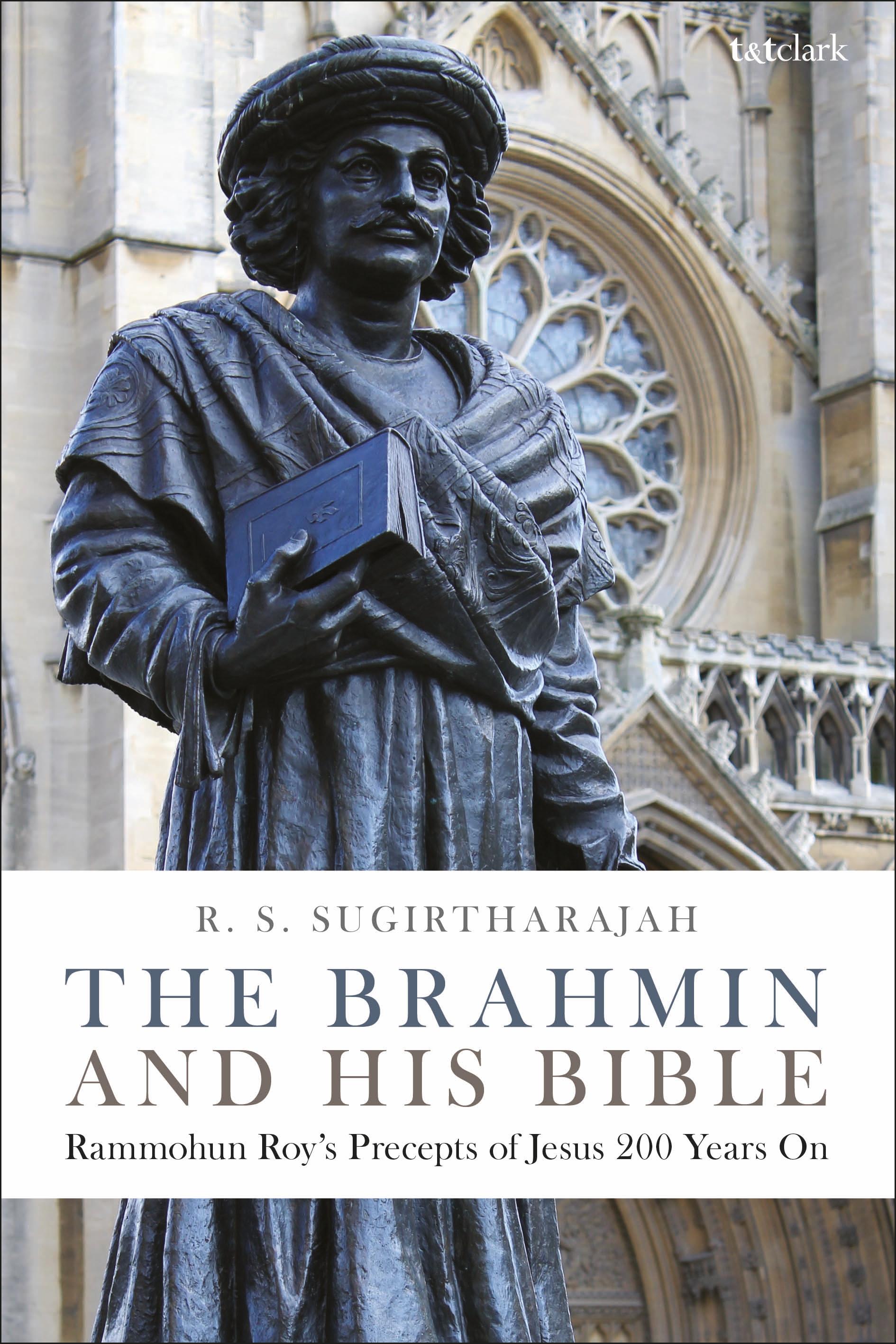
On the bicentenary of the publication of Raja Rammohun Roy's Precepts of Jesus, R. S. Sugirtharajah situates Roy's compilation of the moral teachings of Jesus in its social, cultural and political context and analyses the hermeneutical issues it generated. In doing so, he documents the often acrimonious exegetical exchanges between Roy and the missionaries over the standing and status of the Bible; their often differing hermeneutical suppositions and strategies; their contradictory consturals of Jesus; and disputes about translations. Sugirtharajah addresses issues such as the place of the Precepts among earlier Gospel Harmonies, Roy's use of the Improved Version, a highly contentious Unitarian Bible, and his motives for translating his own Hindu texts. Sugirtharajah also demonstrates how Roy's work was a precursor to de-mythologization which the West took up later, and how Roy's identification of Jesus as an Asiatic, and his idea of a moral union between Father and Son, were routinely reused by later Indian writers. An additional feature is a critical look at Thomas Jefferson's The Life and Morals of Jesus of Nazareth, which appeared in the same year and which had a similar interpretative aim and aspiration. This volume also includes Roy's Precepts in full.
There have been popular perceptions of Roy as someone who strongly disapproved of various Christian doctrines and was highly rationalistic in his outlook. Sugirtharajah demonstrates that Roy was much more complex in his writings. His initial rationalistic energy and passion, displayed in his Precepts, gave way to something much more intuitively and emotionally based which, ironically, did not disturb the foundations of Christianity but made them stronger and safer for Christians.
Sugirtharajah brings to the fore a forgotten but significant work which raised important issues for biblical studies and the power relations between colonized and colonizer over the control of texts and interpretation. He draws lessons from this 19th-century colonial religious controversy for a postcolonial world where religious texts are manipulated to provoke religious hatred and violence.
There have been popular perceptions of Roy as someone who strongly disapproved of various Christian doctrines and was highly rationalistic in his outlook. Sugirtharajah demonstrates that Roy was much more complex in his writings. His initial rationalistic energy and passion, displayed in his Precepts, gave way to something much more intuitively and emotionally based which, ironically, did not disturb the foundations of Christianity but made them stronger and safer for Christians.
Sugirtharajah brings to the fore a forgotten but significant work which raised important issues for biblical studies and the power relations between colonized and colonizer over the control of texts and interpretation. He draws lessons from this 19th-century colonial religious controversy for a postcolonial world where religious texts are manipulated to provoke religious hatred and violence.
Strony: 160
Kategoria: Religion & Teologi
e-ISBN: 9780567685711
Waga przesyłki: 1.2 kg
Wysyłka w ciągu: 1-2 dni
Płać wygodnie kartą, Klarną, Apple Pay lub Google Pay. Nie jesteś zadowolony? Zawsze masz 14-dniową gwarancję zwrotu pieniędzy. Więcej przeczytasz w naszych warunkach. Masz pytania? Napisz do nas na hello@memmo.org.
Memmo ułatwia naukę – gdziekolwiek jesteś na świecie. U nas znajdziesz podręczniki i sprytne narzędzia do nauki w jednym miejscu: streszczenia, quizy, podcasty i fiszki. A do tego Ted, Twój kumpel do nauki, który odpowie na wszystko, co Cię nurtuje. Ponad 50 000 studentów już tu się uczy – stworzone, byś uczył się szybciej i mniej stresował.