
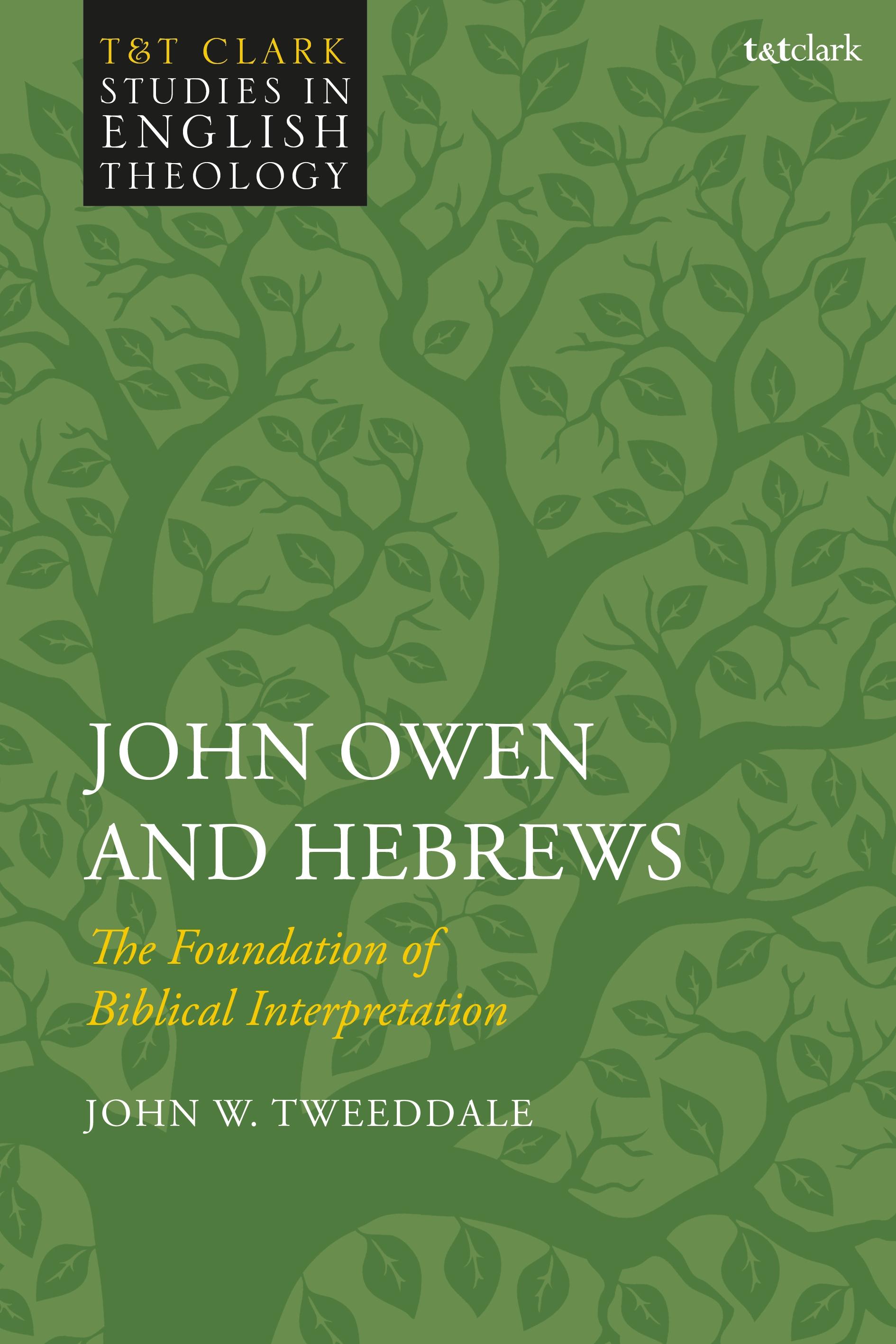
John W. Tweeddale reappraises John Owen's work as a biblical exegete, offering the first analysis of his essays, or “exercitations,” on Hebrews. Owen is frequently acknowledged as a leading figure of the puritan and nonconformist movements of the seventeenth century. However, while his reputation as a statesman, educator, pastor, polemicist, and theologian is widely recognized, he is not remembered as an exegete of Scripture. Yet throughout his life, Owen engaged in the task of biblical interpretation. His massive commentary on Hebrews in particular represents the apex of his career and exemplifies many of the exegetical methods of Protestants in early modern England. Although often overlooked, Owen's writings on Hebrews are an important resource for understanding his life and thought.
Beginning with an evaluation of the state of research on Owen's commentary, as well as suggesting reasons for its neglect in current scholarship, Tweeddale then places Owen's work on Hebrews within the context of his life. What follows is a consideration of the function of federal theology in Owen's essays, and how his hermeneutic fits within the broader scope of reformed discussions on the doctrine of covenant. Tweeddale further examines Owen's attempts to resolve the challenge posed by a Christological reading of the Old Testament to a literal interpretation of Scripture. He then explores how Owen's essays represent a refining of the exegetical tradition of the Abrahamic passages in Hebrews, and how his exegesis distinguishes himself from the majority of reformed opinion on the Mosaic covenant. By focusing on the relationship of Christology, covenant theology, and hermeneutics in his commentary, this book argues that neither Owen's biography nor theology can be fully understood apart from his work on Hebrews and efforts in biblical interpretation.
Beginning with an evaluation of the state of research on Owen's commentary, as well as suggesting reasons for its neglect in current scholarship, Tweeddale then places Owen's work on Hebrews within the context of his life. What follows is a consideration of the function of federal theology in Owen's essays, and how his hermeneutic fits within the broader scope of reformed discussions on the doctrine of covenant. Tweeddale further examines Owen's attempts to resolve the challenge posed by a Christological reading of the Old Testament to a literal interpretation of Scripture. He then explores how Owen's essays represent a refining of the exegetical tradition of the Abrahamic passages in Hebrews, and how his exegesis distinguishes himself from the majority of reformed opinion on the Mosaic covenant. By focusing on the relationship of Christology, covenant theology, and hermeneutics in his commentary, this book argues that neither Owen's biography nor theology can be fully understood apart from his work on Hebrews and efforts in biblical interpretation.
Strony: 200
Kategoria: Religion & Teologi
e-ISBN: 9780567685063
Waga przesyłki: 1.2 kg
Wysyłka w ciągu: 1-2 dni
Płać wygodnie kartą, Klarną, Apple Pay lub Google Pay. Nie jesteś zadowolony? Zawsze masz 14-dniową gwarancję zwrotu pieniędzy. Więcej przeczytasz w naszych warunkach. Masz pytania? Napisz do nas na hello@memmo.org.
Memmo ułatwia naukę – gdziekolwiek jesteś na świecie. U nas znajdziesz podręczniki i sprytne narzędzia do nauki w jednym miejscu: streszczenia, quizy, podcasty i fiszki. A do tego Ted, Twój kumpel do nauki, który odpowie na wszystko, co Cię nurtuje. Ponad 50 000 studentów już tu się uczy – stworzone, byś uczył się szybciej i mniej stresował.