
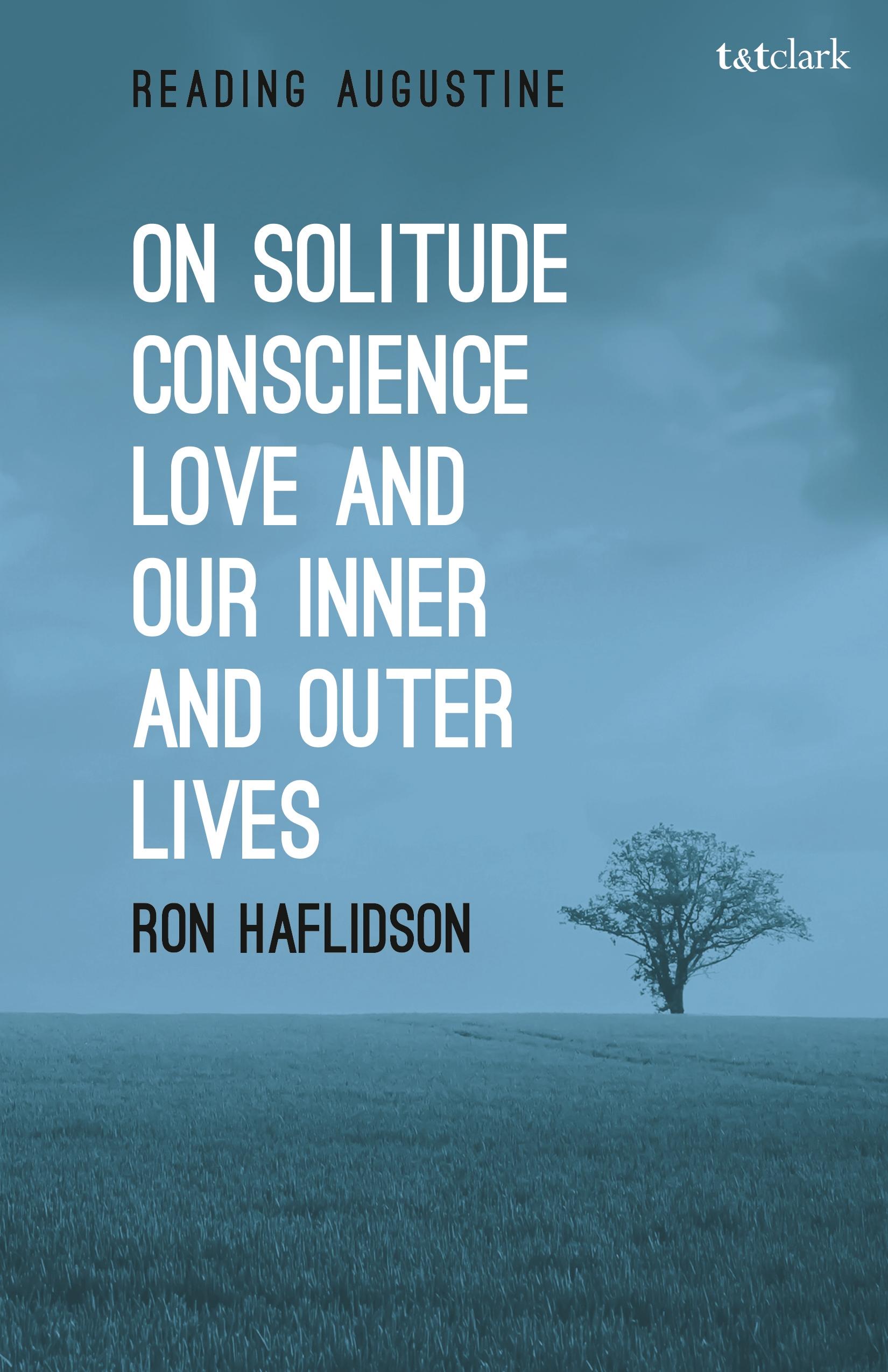
Ron Haflidson places the theology of Augustine in conversation with contemporary authors, who warn of the dangers of abandoning solitude for constant (often technological) connection. Haflidson addresses an essential question that has previously been neglected: What difference does it make to the practice of solitude if one believes that even in the absence of any human company, God is always intimately present?
For Augustine, solitude is a moral necessity: he recommends that we regularly retreat from the crowd into the depths of our conscience, where we can dwell alone in the company of God, and enter into dialogue before and with God about who we are and how we love. Throughout this book, Haflidson pairs close readings of Augustine with those of noted cartographers of our inner lives, literary greats including Jane Austen, George Eliot, Marilynne Robinson and George Saunders. This book explores what undiscovered possibilities may lie in solitude.
For Augustine, solitude is a moral necessity: he recommends that we regularly retreat from the crowd into the depths of our conscience, where we can dwell alone in the company of God, and enter into dialogue before and with God about who we are and how we love. Throughout this book, Haflidson pairs close readings of Augustine with those of noted cartographers of our inner lives, literary greats including Jane Austen, George Eliot, Marilynne Robinson and George Saunders. This book explores what undiscovered possibilities may lie in solitude.
Płać wygodnie kartą, Klarną, Apple Pay lub Google Pay. Nie jesteś zadowolony? Zawsze masz 14-dniową gwarancję zwrotu pieniędzy. Więcej przeczytasz w naszych warunkach. Masz pytania? Napisz do nas na hello@memmo.org.
Memmo ułatwia naukę – gdziekolwiek jesteś na świecie. U nas znajdziesz podręczniki i sprytne narzędzia do nauki w jednym miejscu: streszczenia, quizy, podcasty i fiszki. A do tego Ted, Twój kumpel do nauki, który odpowie na wszystko, co Cię nurtuje. Ponad 50 000 studentów już tu się uczy – stworzone, byś uczył się szybciej i mniej stresował.