
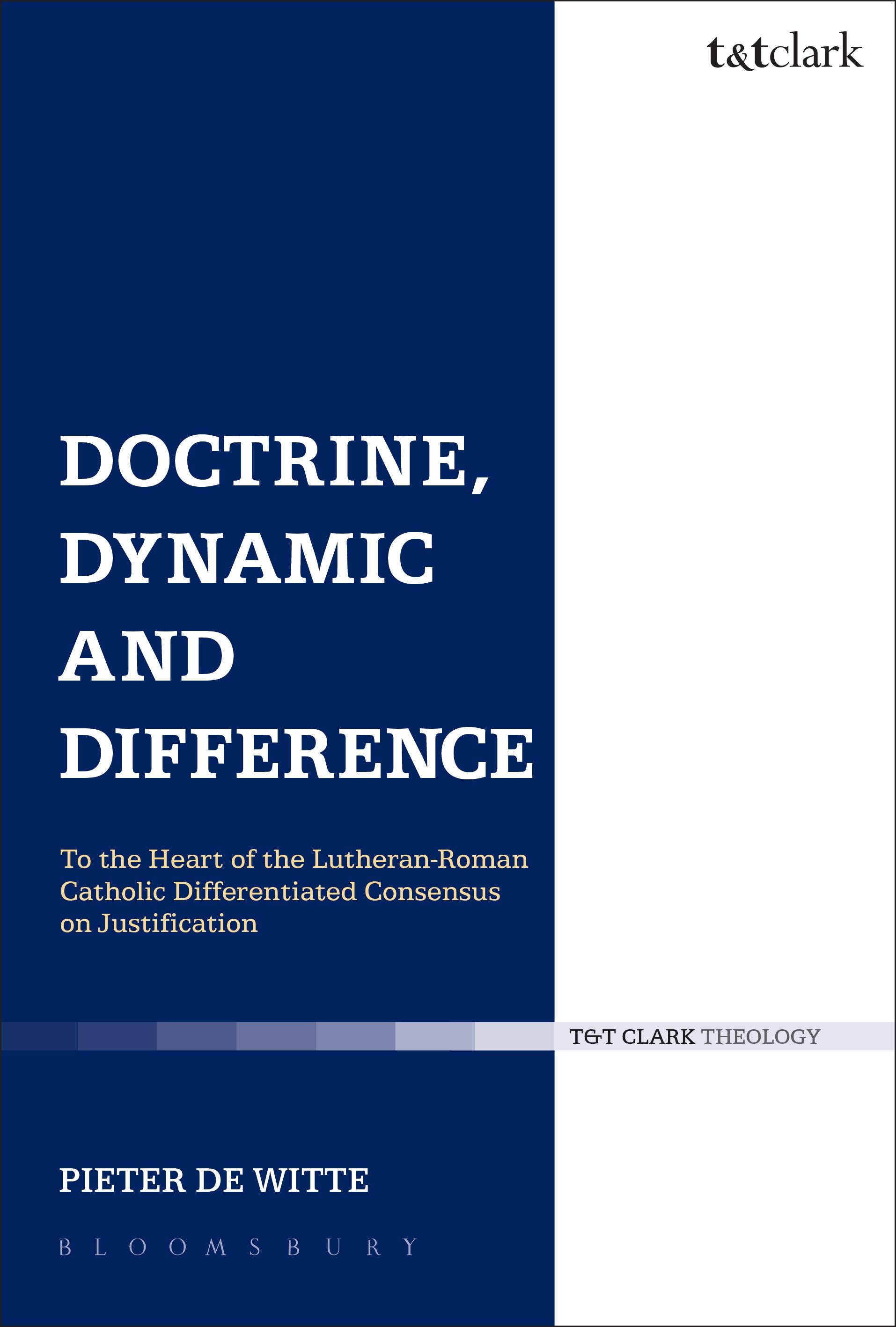
One of the most divisive issues in Western Christianity since the Reformation is the question of how humans are justified by God. In 1999, after many decades of ecumenical dialogue, Lutherans and Roman Catholics have declared that this issue of 'justification by faith' is no longer a cause of division between them. One of the fascinating features of this Joint Declaration on the Doctrine of Justification (JDDJ) is that it expresses a 'differentiated consensus' on justification.
The method of differentiated consensus is generally regarded as an important methodological step forward in the ecumenical dialogue. It has been used and referred to in ecumenical documents published after 1999. But what are its meaning and implications? This study attempts to clarify the method of differentiated consensus by (1) investigating the process of doctrinal rapprochement which led up to the JDDJ, (2) examining the way the consensus takes shape in the document itself, (3) analyzing arguments offered by critics and advocates of the official dialogue and (4) reflecting on the concept of doctrinal difference.
The method of differentiated consensus is generally regarded as an important methodological step forward in the ecumenical dialogue. It has been used and referred to in ecumenical documents published after 1999. But what are its meaning and implications? This study attempts to clarify the method of differentiated consensus by (1) investigating the process of doctrinal rapprochement which led up to the JDDJ, (2) examining the way the consensus takes shape in the document itself, (3) analyzing arguments offered by critics and advocates of the official dialogue and (4) reflecting on the concept of doctrinal difference.
Płać wygodnie kartą, Klarną, Apple Pay lub Google Pay. Nie jesteś zadowolony? Zawsze masz 14-dniową gwarancję zwrotu pieniędzy. Więcej przeczytasz w naszych warunkach. Masz pytania? Napisz do nas na hello@memmo.org.
Memmo ułatwia naukę – gdziekolwiek jesteś na świecie. U nas znajdziesz podręczniki i sprytne narzędzia do nauki w jednym miejscu: streszczenia, quizy, podcasty i fiszki. A do tego Ted, Twój kumpel do nauki, który odpowie na wszystko, co Cię nurtuje. Ponad 50 000 studentów już tu się uczy – stworzone, byś uczył się szybciej i mniej stresował.