
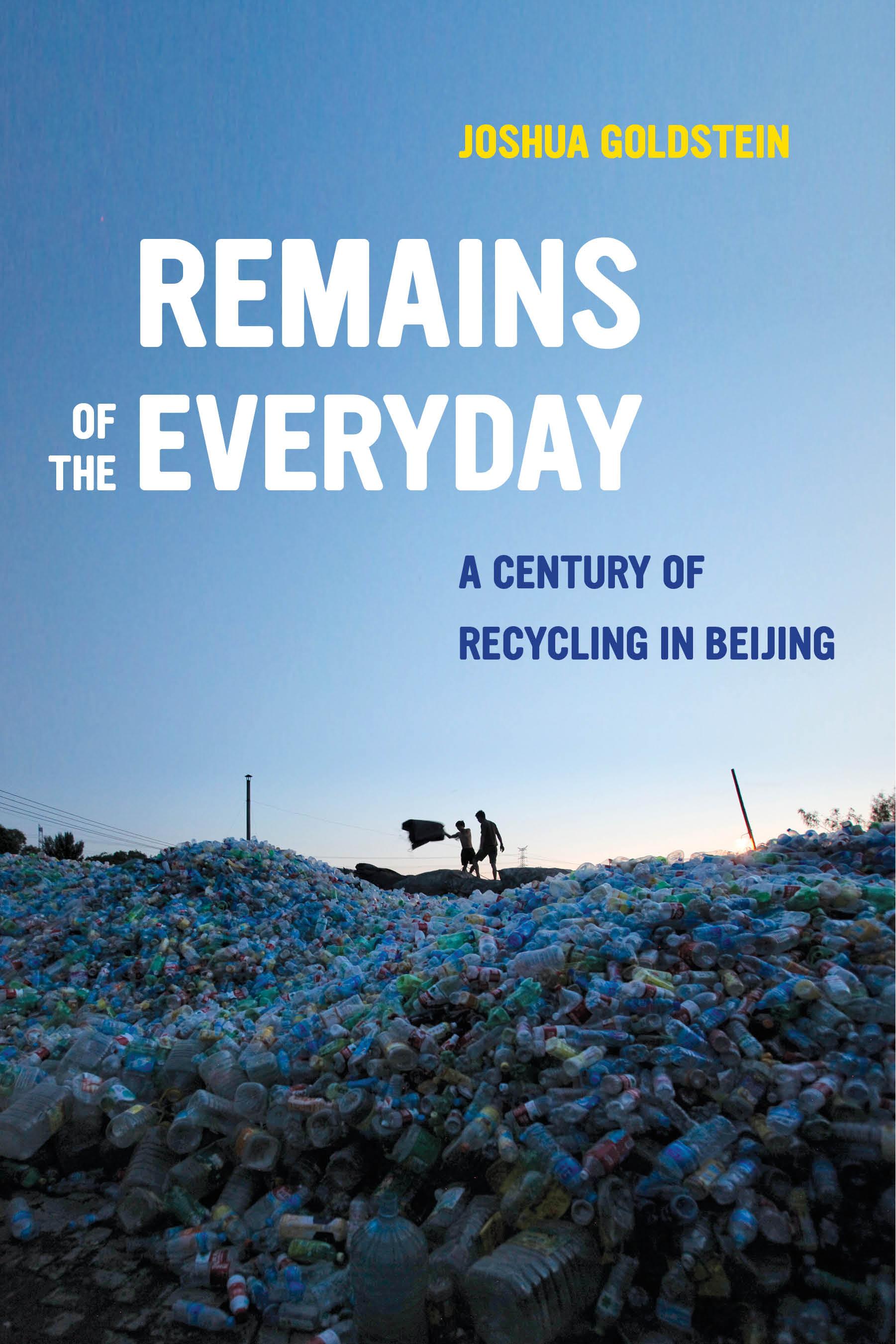
Remains of the Everyday traces the changing material culture and industrial ecology of China through the lens of recycling. Over the last century, waste recovery and secondhand goods markets have been integral to Beijing’s economic functioning and cultural identity, and acts of recycling have figured centrally in the ideological imagination of modernity and citizenship. On the one hand, the Chinese state has repeatedly promoted acts of voluntary recycling as exemplary of conscientious citizenship. On the other, informal recycling networks—from the night soil carriers of the Republican era to the collectors of plastic and cardboard in Beijing’s neighborhoods today—have been represented as undisciplined, polluting, and technologically primitive due to the municipal government’s failure to control them. The result, Joshua Goldstein argues, is the repeatedly re-inscribed exclusion of waste workers from formations of modern urban citizenship as well as the intrinsic liminality of recycling itself as an economic process.
Płać wygodnie kartą, Klarną, Apple Pay lub Google Pay. Nie jesteś zadowolony? Zawsze masz 14-dniową gwarancję zwrotu pieniędzy. Więcej przeczytasz w naszych warunkach. Masz pytania? Napisz do nas na hello@memmo.org.
Memmo ułatwia naukę – gdziekolwiek jesteś na świecie. U nas znajdziesz podręczniki i sprytne narzędzia do nauki w jednym miejscu: streszczenia, quizy, podcasty i fiszki. A do tego Ted, Twój kumpel do nauki, który odpowie na wszystko, co Cię nurtuje. Ponad 50 000 studentów już tu się uczy – stworzone, byś uczył się szybciej i mniej stresował.
Może Ci się spodobać
Kup książkę0