
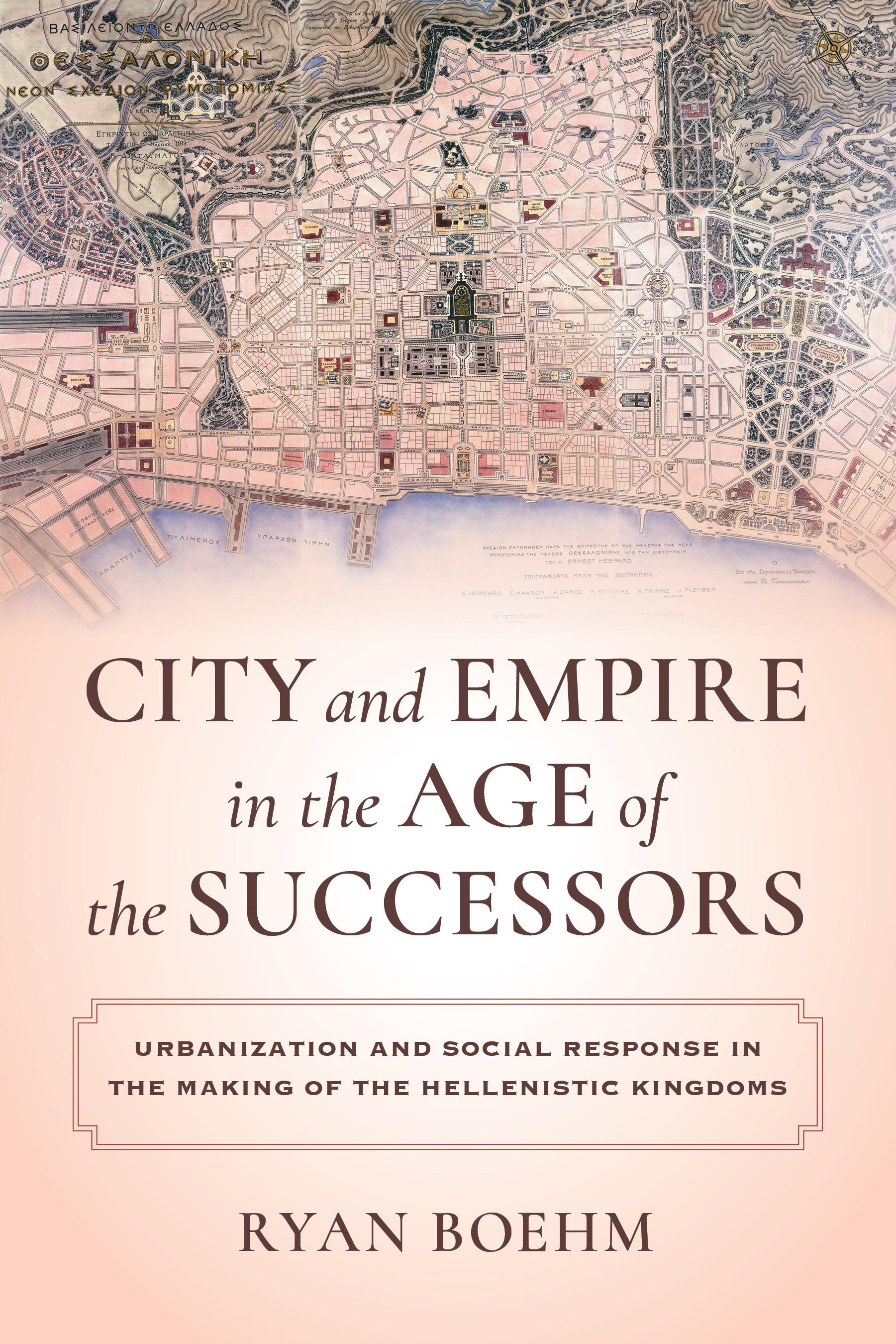
In the chaotic decades after the death of Alexander the Great, the world of the Greek city-state became deeply embroiled in the political struggles and unremitting violence of his successors’ contest for supremacy. As these presumptive rulers turned to the practical reality of administering the disparate territories under their control, they increasingly developed new cities by merging smaller settlements into large urban agglomerations. This practice of synoikism gave rise to many of the most important cities of the age, initiated major shifts in patterns of settlement, and consolidated numerous previously independent polities. The result was the increasing transformation of the fragmented world of the small Greek polis into an urbanized network of cities. Drawing on a wide array of archaeological, epigraphic, and textual evidence, City and Empire in the Age of the Successors reinterprets the role of urbanization in the creation of the Hellenistic kingdoms and argues for the agency of local actors in the formation of these new imperial cities.
Płać wygodnie kartą, Klarną, Apple Pay lub Google Pay. Nie jesteś zadowolony? Zawsze masz 14-dniową gwarancję zwrotu pieniędzy. Więcej przeczytasz w naszych warunkach. Masz pytania? Napisz do nas na hello@memmo.org.
Memmo ułatwia naukę – gdziekolwiek jesteś na świecie. U nas znajdziesz podręczniki i sprytne narzędzia do nauki w jednym miejscu: streszczenia, quizy, podcasty i fiszki. A do tego Ted, Twój kumpel do nauki, który odpowie na wszystko, co Cię nurtuje. Ponad 50 000 studentów już tu się uczy – stworzone, byś uczył się szybciej i mniej stresował.
Może Ci się spodobać
Kup książkę0