
A free book version of this title is available through Luminos, University of California Press’s Open Access publishing program. Visit www.luminosoa.org to learn more.
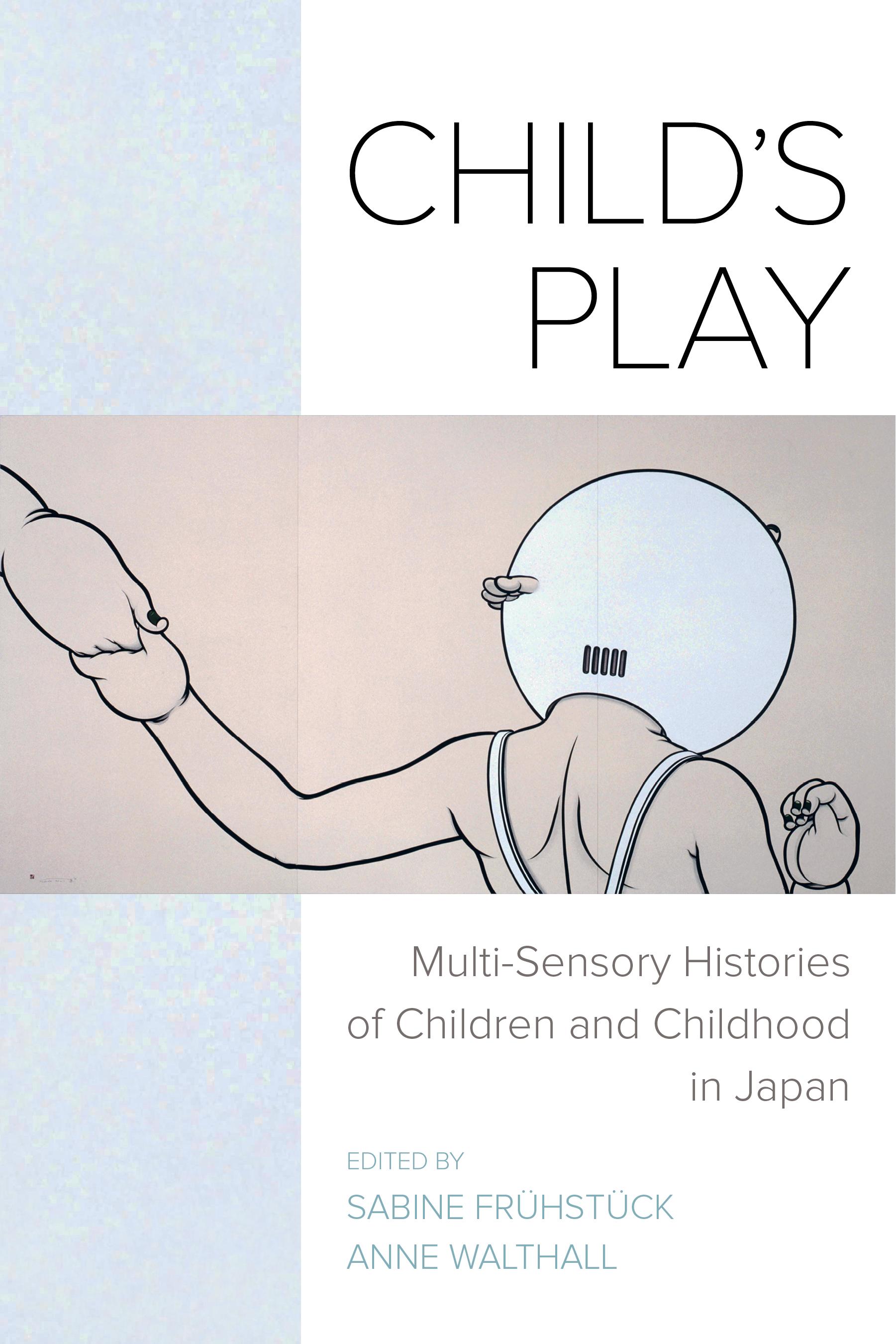
Few things make Japanese adults feel quite as anxious today as the phenomenon called the “child crisis.” Various media teem with intense debates about bullying in schools, child poverty, child suicides, violent crimes committed by children, the rise of socially withdrawn youngsters, and forceful moves by the government to introduce a more conservative educational curriculum. These issues have propelled Japan into the center of a set of global conversations about the nature of children and how to raise them. Engaging both the history of children and childhood and the history of emotions, contributors to this volume track Japanese childhood through a number of historical scenarios. Such explorations—some from Japan’s early-modern past—are revealed through letters, diaries, memoirs, family and household records, and religious polemics about promising, rambunctious, sickly, happy, and dutiful youngsters.
Few things make Japanese adults feel quite as anxious today as the phenomenon called the “child crisis.” Various media teem with intense debates about bullying in schools, child poverty, child suicides, violent crimes committed by children, the rise of socially withdrawn youngsters, and forceful moves by the government to introduce a more conservative educational curriculum. These issues have propelled Japan into the center of a set of global conversations about the nature of children and how to raise them. Engaging both the history of children and childhood and the history of emotions, contributors to this volume track Japanese childhood through a number of historical scenarios. Such explorations—some from Japan’s early-modern past—are revealed through letters, diaries, memoirs, family and household records, and religious polemics about promising, rambunctious, sickly, happy, and dutiful youngsters.
Płać wygodnie kartą, Klarną, Apple Pay lub Google Pay. Nie jesteś zadowolony? Zawsze masz 14-dniową gwarancję zwrotu pieniędzy. Więcej przeczytasz w naszych warunkach. Masz pytania? Napisz do nas na hello@memmo.org.
Memmo ułatwia naukę – gdziekolwiek jesteś na świecie. U nas znajdziesz podręczniki i sprytne narzędzia do nauki w jednym miejscu: streszczenia, quizy, podcasty i fiszki. A do tego Ted, Twój kumpel do nauki, który odpowie na wszystko, co Cię nurtuje. Ponad 50 000 studentów już tu się uczy – stworzone, byś uczył się szybciej i mniej stresował.
Może Ci się spodobać
Kup książkę0