
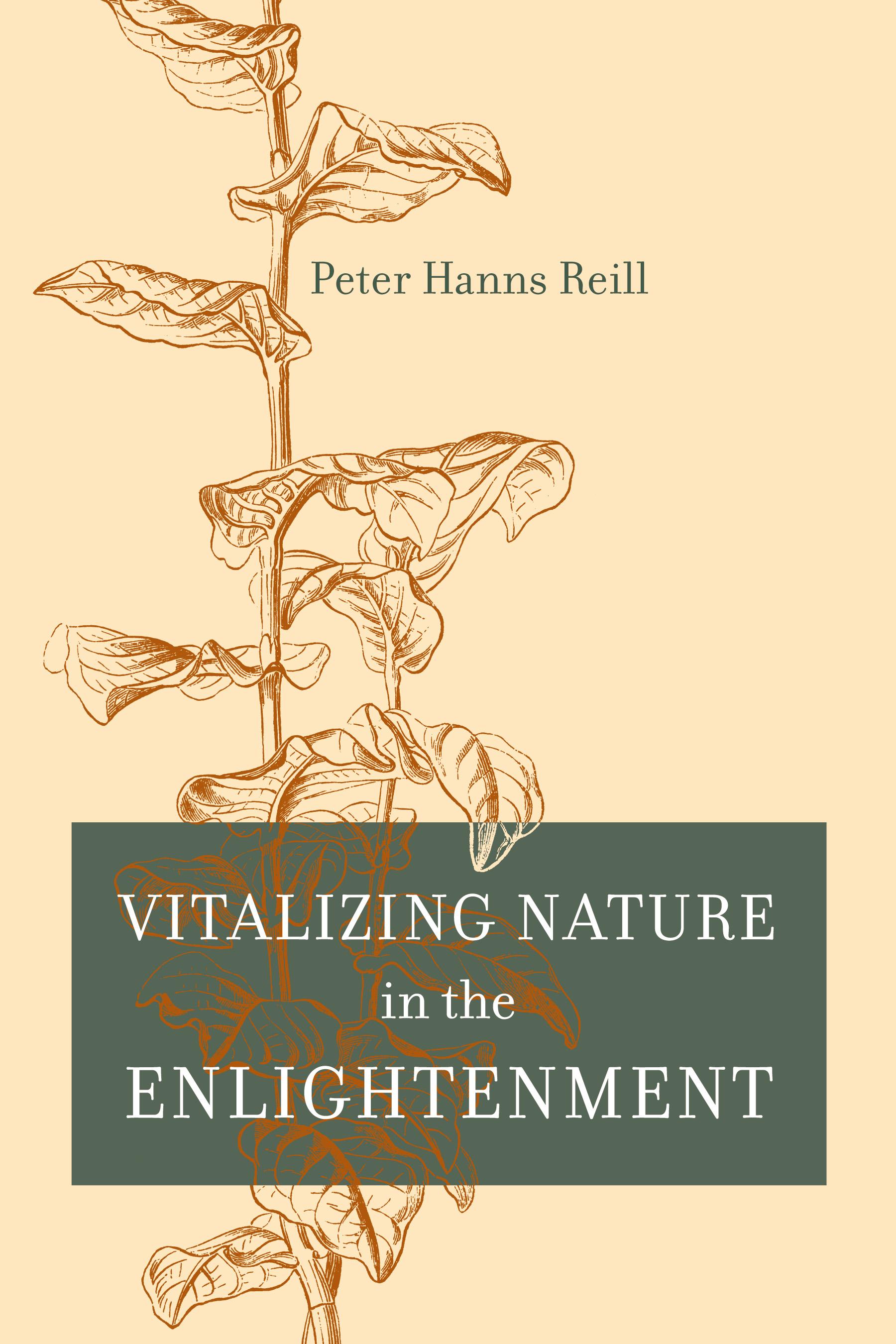
This far-reaching study redraws the intellectual map of the Enlightenment and boldly reassesses the legacy of that highly influential period for us today. Peter Hanns Reill argues that in the middle of the eighteenth century, a major shift occurred in the way Enlightenment thinkers conceived of nature that caused many of them to reject the prevailing doctrine of mechanism and turn to a vitalistic model to account for phenomena in natural history, the life sciences, and chemistry. As he traces the ramifications of this new way of thinking through time and across disciplines, Reill provocatively complicates our understanding of the way key Enlightenment thinkers viewed nature. His sophisticated analysis ultimately questions postmodern narratives that have assumed a monolithic Enlightenment—characterized by the dominance of instrumental reason—that has led to many of the disasters of modern life.
Płać wygodnie kartą, Klarną, Apple Pay lub Google Pay. Nie jesteś zadowolony? Zawsze masz 14-dniową gwarancję zwrotu pieniędzy. Więcej przeczytasz w naszych warunkach. Masz pytania? Napisz do nas na hello@memmo.org.
Memmo ułatwia naukę – gdziekolwiek jesteś na świecie. U nas znajdziesz podręczniki i sprytne narzędzia do nauki w jednym miejscu: streszczenia, quizy, podcasty i fiszki. A do tego Ted, Twój kumpel do nauki, który odpowie na wszystko, co Cię nurtuje. Ponad 50 000 studentów już tu się uczy – stworzone, byś uczył się szybciej i mniej stresował.
Może Ci się spodobać
Kup książkę0