
False data published by a psychologist influence policies for treating the mentally retarded. A Nobel Prize-winning molecular biologist resigns the presidency of Rockefeller University in the wake of a scandal involving a co-author accused of fabricating data. A university investigating committee declares that almost half the published articles of a promising young radiologist are fraudulent.
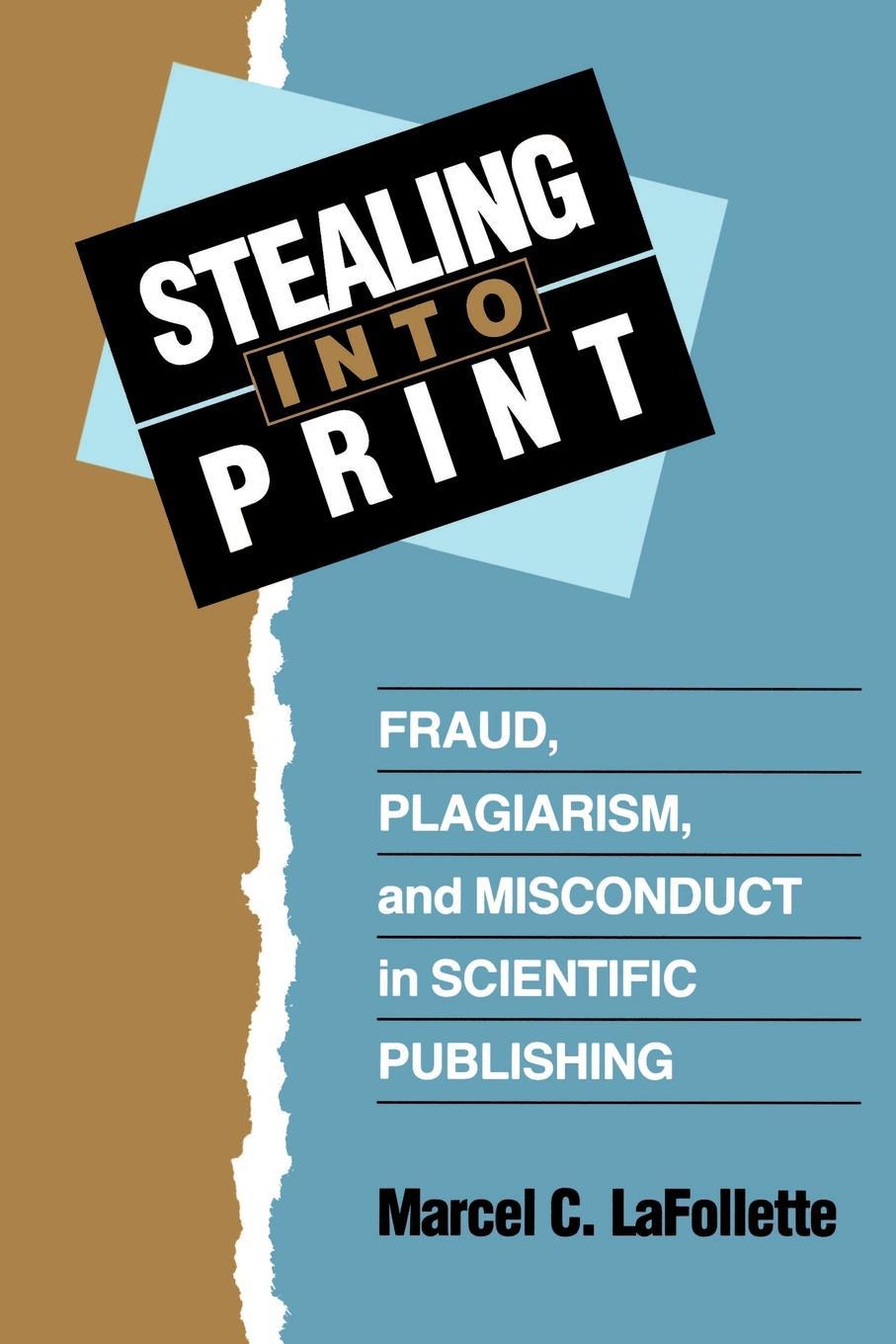
Incidents like these strike at the heart of the scientific enterprise and shake the confidence of a society accustomed to thinking of scientists as selfless seekers of truth. Marcel LaFollette's long-awaited book gives a penetrating examination of the world of scientific publishing in which such incidents of misconduct take place. Because influential scientific journals have been involved in the controversies, LaFollette focuses on the fragile "peer review" process—the editorial system of seeking pre-publication opinions from experts. She addresses the cultural glorification of science, which, combined with a scientist's thirst for achievement, can seem to make cheating worth the danger. She describes the great risks taken by the accusers—often scholars of less prestige and power than the accused—whom she calls "nemesis figures" for their relentless dedication to uncovering dishonesty.
In sober warning, LaFollette notes that impatient calls from Congress, journalists, and taxpayers for greater accountability from scientists have important implications for the entire system of scientific research and communication.
Provocative and learned, Stealing Into Print is certain to become the authoritative work on scientific fraud, invaluable to the scientific community, policy makers, and the general public.
False data published by a psychologist influence policies for treating the mentally retarded. A Nobel Prize-winning molecular biologist resigns the presidency of Rockefeller University in the wake of a scandal involving a co-author accused of fabricating
Incidents like these strike at the heart of the scientific enterprise and shake the confidence of a society accustomed to thinking of scientists as selfless seekers of truth. Marcel LaFollette's long-awaited book gives a penetrating examination of the world of scientific publishing in which such incidents of misconduct take place. Because influential scientific journals have been involved in the controversies, LaFollette focuses on the fragile "peer review" process—the editorial system of seeking pre-publication opinions from experts. She addresses the cultural glorification of science, which, combined with a scientist's thirst for achievement, can seem to make cheating worth the danger. She describes the great risks taken by the accusers—often scholars of less prestige and power than the accused—whom she calls "nemesis figures" for their relentless dedication to uncovering dishonesty.
In sober warning, LaFollette notes that impatient calls from Congress, journalists, and taxpayers for greater accountability from scientists have important implications for the entire system of scientific research and communication.
Provocative and learned, Stealing Into Print is certain to become the authoritative work on scientific fraud, invaluable to the scientific community, policy makers, and the general public.
False data published by a psychologist influence policies for treating the mentally retarded. A Nobel Prize-winning molecular biologist resigns the presidency of Rockefeller University in the wake of a scandal involving a co-author accused of fabricating
Płać wygodnie kartą, Klarną, Apple Pay lub Google Pay. Nie jesteś zadowolony? Zawsze masz 14-dniową gwarancję zwrotu pieniędzy. Więcej przeczytasz w naszych warunkach. Masz pytania? Napisz do nas na hello@memmo.org.
Memmo ułatwia naukę – gdziekolwiek jesteś na świecie. U nas znajdziesz podręczniki i sprytne narzędzia do nauki w jednym miejscu: streszczenia, quizy, podcasty i fiszki. A do tego Ted, Twój kumpel do nauki, który odpowie na wszystko, co Cię nurtuje. Ponad 50 000 studentów już tu się uczy – stworzone, byś uczył się szybciej i mniej stresował.
Może Ci się spodobać
Kup książkę0