
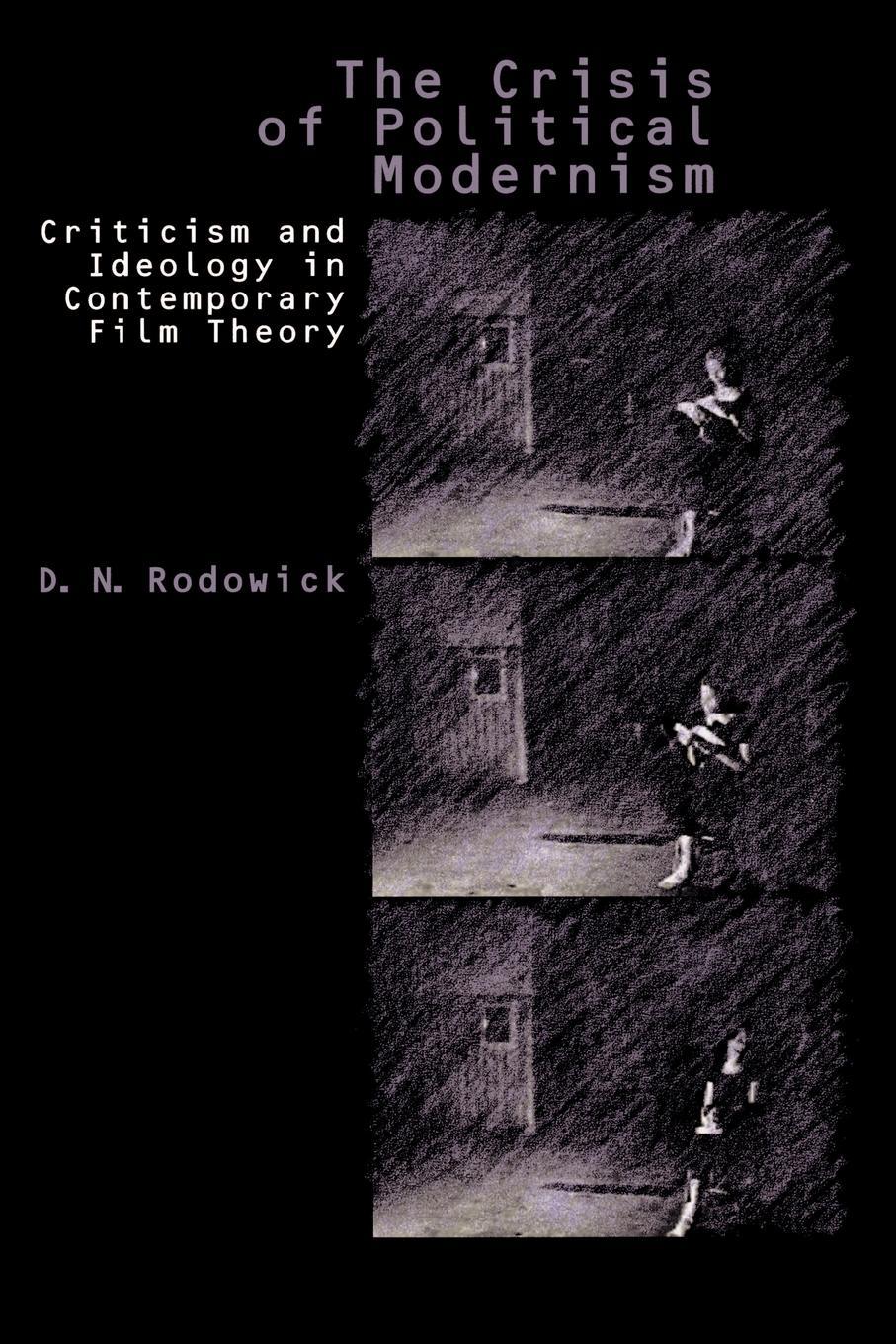
D.N. Rodowick offers a critical analysis of the development of film theory since 1968. He shows how debates concerning the literary principles of modernism—semiotics, structuralism, psychoanalysis, Marxism, and feminism—have transformed our understanding of cinematic meaning. Rodowick explores the literary paradigms established in France during the late 1960s and traces their influence on the work of diverse filmmaker/theorists including Jean-Luc Godard, Peter Gidal, Laura Mulvey, and Peter Wollen. By exploring the "new French feminisms" of Irigaray and Kristeva, he investigates the relation of political modernism to psychoanalysis and theories of sexual difference. In a new introduction written especially for this edition, Rodowick considers the continuing legacy of this theoretical tradition in relation to the emergence of cultural studies approaches to film.
D.N. Rodowick offers a critical analysis of the development of film theory since 1968. He shows how debates concerning the literary principles of modernism—semiotics, structuralism, psychoanalysis, Marxism, and feminism—have transformed our understanding
D.N. Rodowick offers a critical analysis of the development of film theory since 1968. He shows how debates concerning the literary principles of modernism—semiotics, structuralism, psychoanalysis, Marxism, and feminism—have transformed our understanding
Strony: 311
Kategoria: Film- & Medievetenskap
e-ISBN: 9780520915169
Waga przesyłki: 1.2 kg
Wysyłka w ciągu: 1-2 dni
Płać wygodnie kartą, Klarną, Apple Pay lub Google Pay. Nie jesteś zadowolony? Zawsze masz 14-dniową gwarancję zwrotu pieniędzy. Więcej przeczytasz w naszych warunkach. Masz pytania? Napisz do nas na hello@memmo.org.
Memmo ułatwia naukę – gdziekolwiek jesteś na świecie. U nas znajdziesz podręczniki i sprytne narzędzia do nauki w jednym miejscu: streszczenia, quizy, podcasty i fiszki. A do tego Ted, Twój kumpel do nauki, który odpowie na wszystko, co Cię nurtuje. Ponad 50 000 studentów już tu się uczy – stworzone, byś uczył się szybciej i mniej stresował.
Może Ci się spodobać
Kup książkę0