
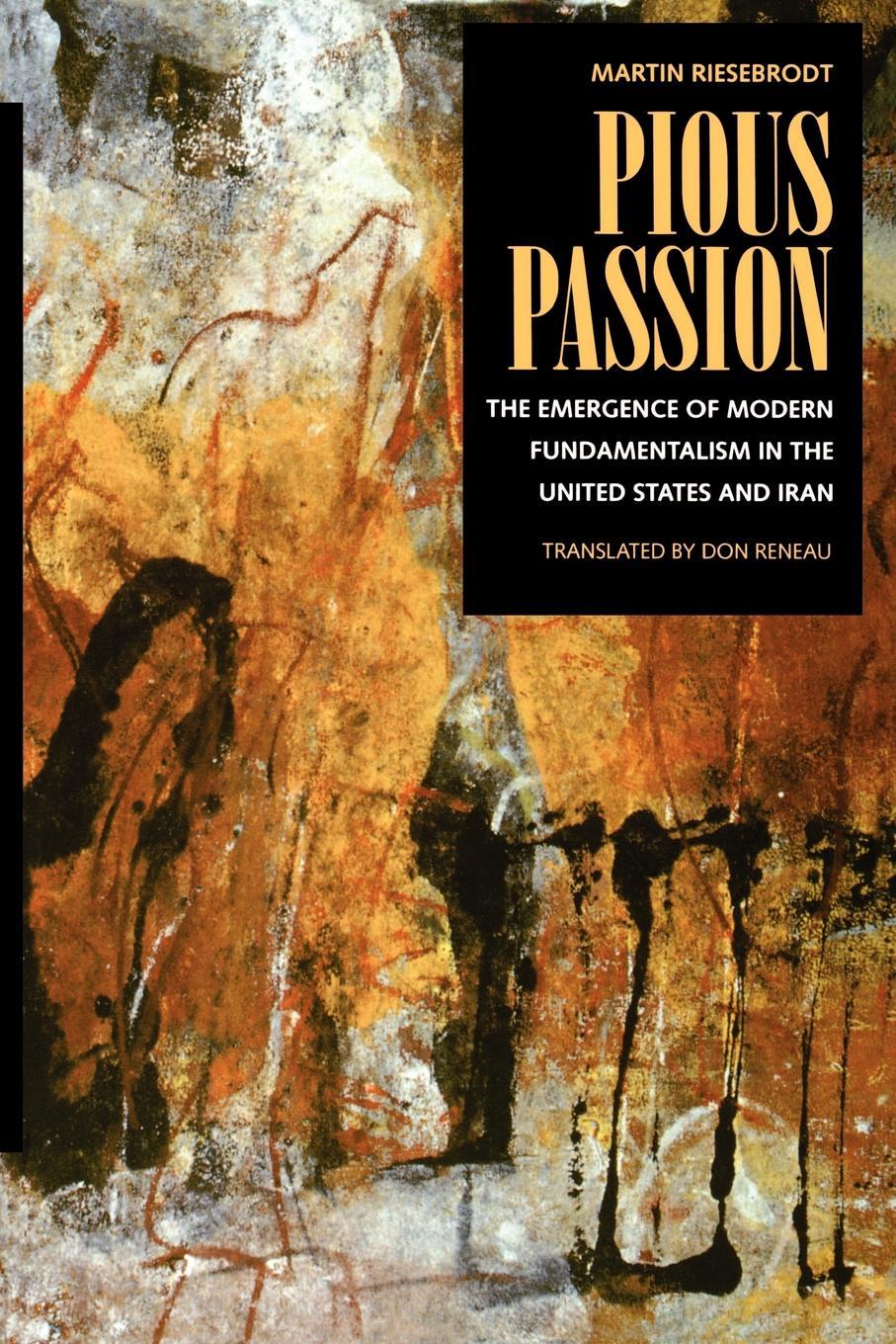
Martin Riesebrodt's unconventional study provides an extraordinary look at religious fundamentalism. Comparing two seemingly disparate movements—in early twentieth-century United States and 1960s and 1970s Iran—he examines why these movements arose and developed. He sees them not simply as protests against "modernity" per se, but as a social and moral community's mobilization against its own marginalization and threats to its way of life. These movements protested against the hallmarks of industrialization and sought to transmit conservative cultural models to the next generation.
Fundamentalists desired a return to an "authentic" social order governed by God's law, one bound by patriarchal structures of authority and morality. Both movements advocated a strict gender dualism and were preoccupied with controlling the female body, which was viewed as the major threat to public morality.
Fundamentalists desired a return to an "authentic" social order governed by God's law, one bound by patriarchal structures of authority and morality. Both movements advocated a strict gender dualism and were preoccupied with controlling the female body, which was viewed as the major threat to public morality.
Płać wygodnie kartą, Klarną, Apple Pay lub Google Pay. Nie jesteś zadowolony? Zawsze masz 14-dniową gwarancję zwrotu pieniędzy. Więcej przeczytasz w naszych warunkach. Masz pytania? Napisz do nas na hello@memmo.org.
Memmo ułatwia naukę – gdziekolwiek jesteś na świecie. U nas znajdziesz podręczniki i sprytne narzędzia do nauki w jednym miejscu: streszczenia, quizy, podcasty i fiszki. A do tego Ted, Twój kumpel do nauki, który odpowie na wszystko, co Cię nurtuje. Ponad 50 000 studentów już tu się uczy – stworzone, byś uczył się szybciej i mniej stresował.
Może Ci się spodobać
Kup książkę0