
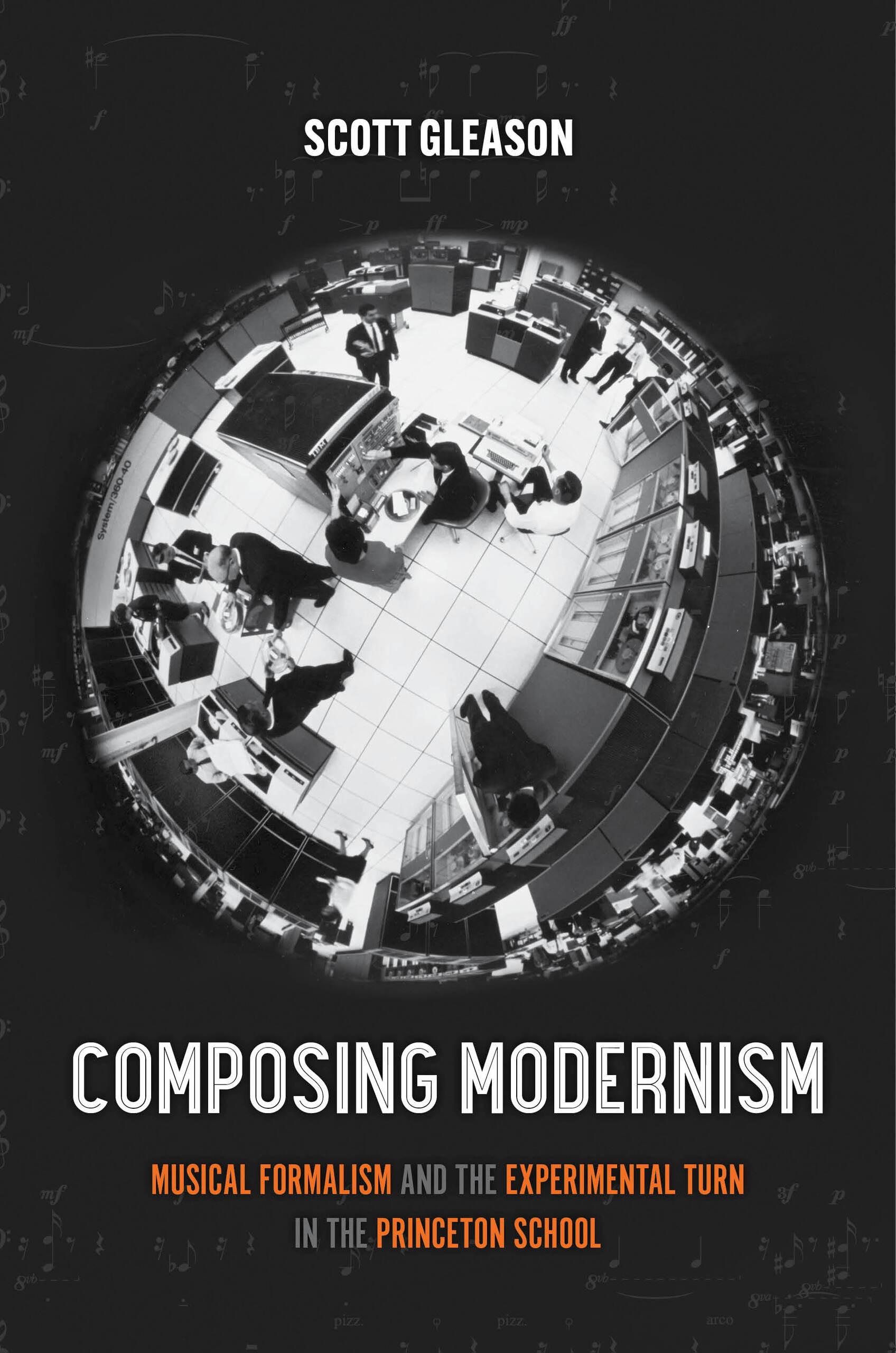
Composing Modernism is the first book-length study to tell the fascinating story of a key strain of American composition during the Cold War. The Princeton School set aspirations for postwar music composition and discourse. Milton Babbitt especially sought a scientific conception of the composing researcher. Around 1967, J. K. Randall began challenging the School's tenets of twelve-tone composition, music-theoretical axiomatization, and electronic synthesis. Randall, Elaine Barkin, and Benjamin Boretz embraced Cagean experimentalism and turned to phenomenology, improvisation, and new forms of community making. This book explores these contrasting paradigms of the musical avant-garde, with a focus on the people, subjects, and aesthetic and formal aspects of a major force in Cold War music. By uncovering many of the ideologies of the Princeton School, Scott Gleason highlights the utopian thought that was central across several generations of Princeton composer-theorists.
Płać wygodnie kartą, Klarną, Apple Pay lub Google Pay. Nie jesteś zadowolony? Zawsze masz 14-dniową gwarancję zwrotu pieniędzy. Więcej przeczytasz w naszych warunkach. Masz pytania? Napisz do nas na hello@memmo.org.
Memmo ułatwia naukę – gdziekolwiek jesteś na świecie. U nas znajdziesz podręczniki i sprytne narzędzia do nauki w jednym miejscu: streszczenia, quizy, podcasty i fiszki. A do tego Ted, Twój kumpel do nauki, który odpowie na wszystko, co Cię nurtuje. Ponad 50 000 studentów już tu się uczy – stworzone, byś uczył się szybciej i mniej stresował.