
A free book version of this title is available through Luminos, University of California Press's Open Access publishing program. Visit www.luminosoa.org to learn more.
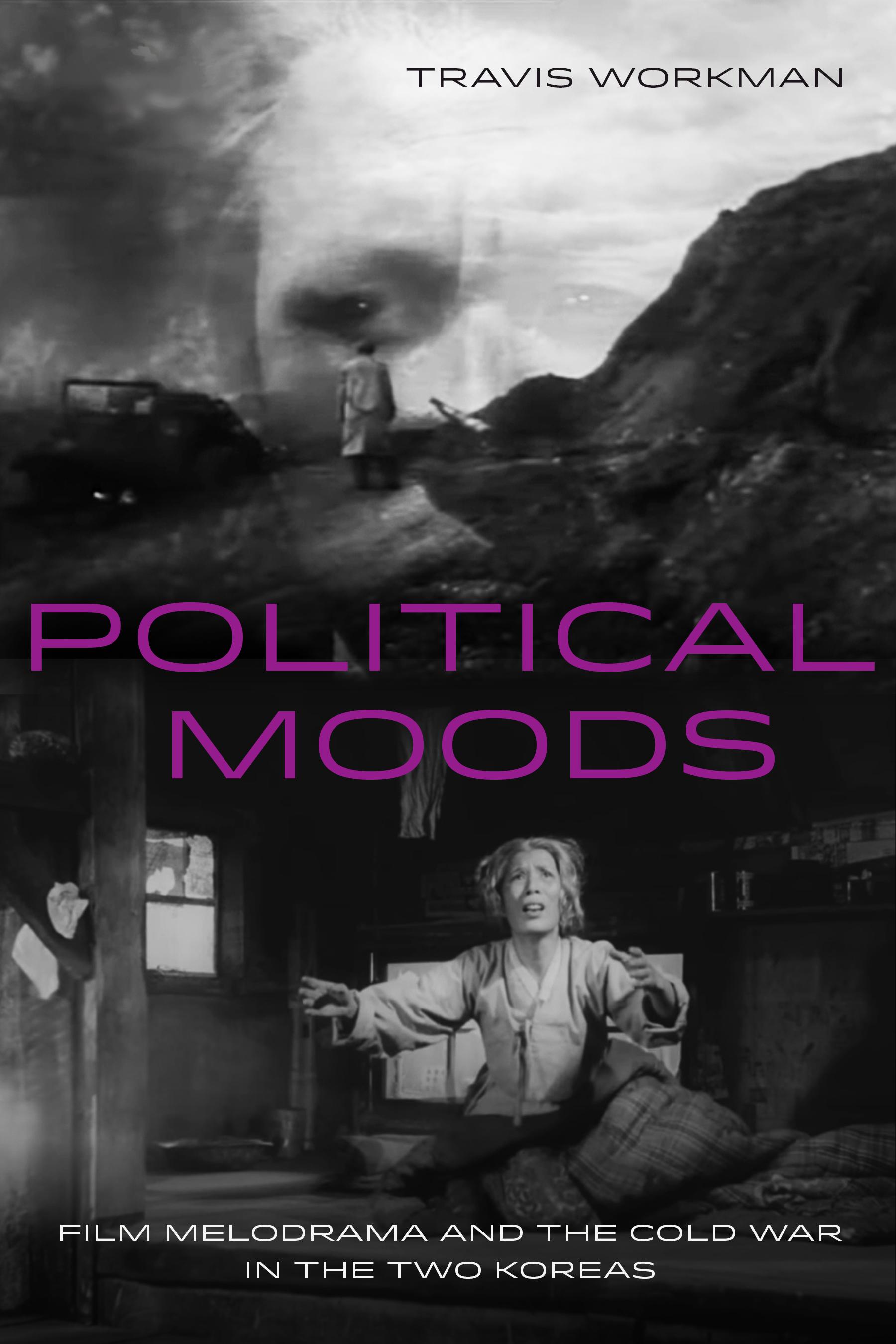
Melodrama films dominated the North and South Korean industries in the period between liberation from Japanese colonial rule in 1945 and the hardening of dictatorship in the 1970s. The films of each industry are often read as direct reflections of Cold War and Korean War political ideologies and national historical experiences, and therefore as aesthetically and politically opposed to each other. However, Political Moods develops a comparative analysis across the Cold War divide, analyzing how films in both North and South Korea convey political and moral ideas through the sentimentality of the melodramatic mode. Travis Workman reveals that the melancholic moods of film melodrama express the somatic and social conflicts between political ideologies and excesses of affect, meaning, and historical references. These moods dramatize the tension between the language of Cold War politics and the negative affects that connect cinema to what it cannot fully represent. The result is a new way of historicizing the cinema of the two Koreas in relation to colonialism, postcolonialism, war, and nation building.
Melodrama films dominated the North and South Korean industries in the period between liberation from Japanese colonial rule in 1945 and the hardening of dictatorship in the 1970s. The films of each industry are often read as direct reflections of Cold War and Korean War political ideologies and national historical experiences, and therefore as aesthetically and politically opposed to each other. However, Political Moods develops a comparative analysis across the Cold War divide, analyzing how films in both North and South Korea convey political and moral ideas through the sentimentality of the melodramatic mode. Travis Workman reveals that the melancholic moods of film melodrama express the somatic and social conflicts between political ideologies and excesses of affect, meaning, and historical references. These moods dramatize the tension between the language of Cold War politics and the negative affects that connect cinema to what it cannot fully represent. The result is a new way of historicizing the cinema of the two Koreas in relation to colonialism, postcolonialism, war, and nation building.
Płać wygodnie kartą, Klarną, Apple Pay lub Google Pay. Nie jesteś zadowolony? Zawsze masz 14-dniową gwarancję zwrotu pieniędzy. Więcej przeczytasz w naszych warunkach. Masz pytania? Napisz do nas na hello@memmo.org.
Memmo ułatwia naukę – gdziekolwiek jesteś na świecie. U nas znajdziesz podręczniki i sprytne narzędzia do nauki w jednym miejscu: streszczenia, quizy, podcasty i fiszki. A do tego Ted, Twój kumpel do nauki, który odpowie na wszystko, co Cię nurtuje. Ponad 50 000 studentów już tu się uczy – stworzone, byś uczył się szybciej i mniej stresował.
Może Ci się spodobać
Kup książkę0