
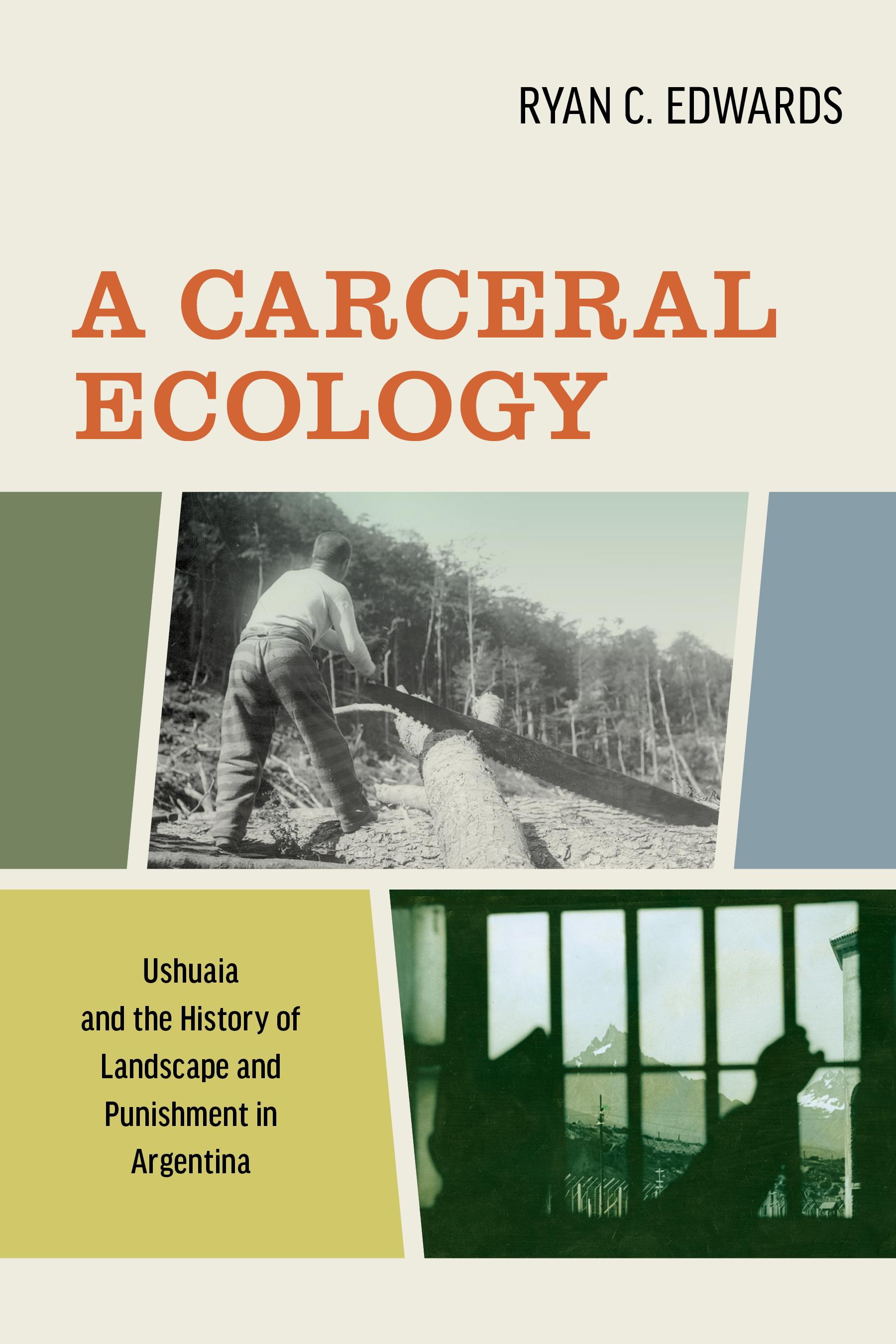
Closer to Antarctica than to Buenos Aires, the port town of Ushuaia, Argentina is home to a national park as well as a museum that is housed in the world’s southernmost prison. Ushuaia’s radial panopticon operated as an experimental hybrid penal colony and penitentiary from 1902 to 1947, designed to revolutionize modern prisons globally. A Carceral Ecology offers the first comprehensive study of this notorious prison and its afterlife, documenting how the Patagonian frontier and timber economy became central to ideas about labor, rehabilitation, and resource management. Mining the records of penologists, naturalists, and inmates, Ryan C. Edwards shows how discipline was tied to forest management, but also how inmates gained situated geographical knowledge and reframed debates on the regeneration of the land and the self. Bringing a new imperative to global prison studies, Edwards asks us to rethink the role of the environment in carceral practices as well as the impact of incarceration on the natural world.
Płać wygodnie kartą, Klarną, Apple Pay lub Google Pay. Nie jesteś zadowolony? Zawsze masz 14-dniową gwarancję zwrotu pieniędzy. Więcej przeczytasz w naszych warunkach. Masz pytania? Napisz do nas na hello@memmo.org.
Memmo ułatwia naukę – gdziekolwiek jesteś na świecie. U nas znajdziesz podręczniki i sprytne narzędzia do nauki w jednym miejscu: streszczenia, quizy, podcasty i fiszki. A do tego Ted, Twój kumpel do nauki, który odpowie na wszystko, co Cię nurtuje. Ponad 50 000 studentów już tu się uczy – stworzone, byś uczył się szybciej i mniej stresował.
Może Ci się spodobać
Kup książkę0