
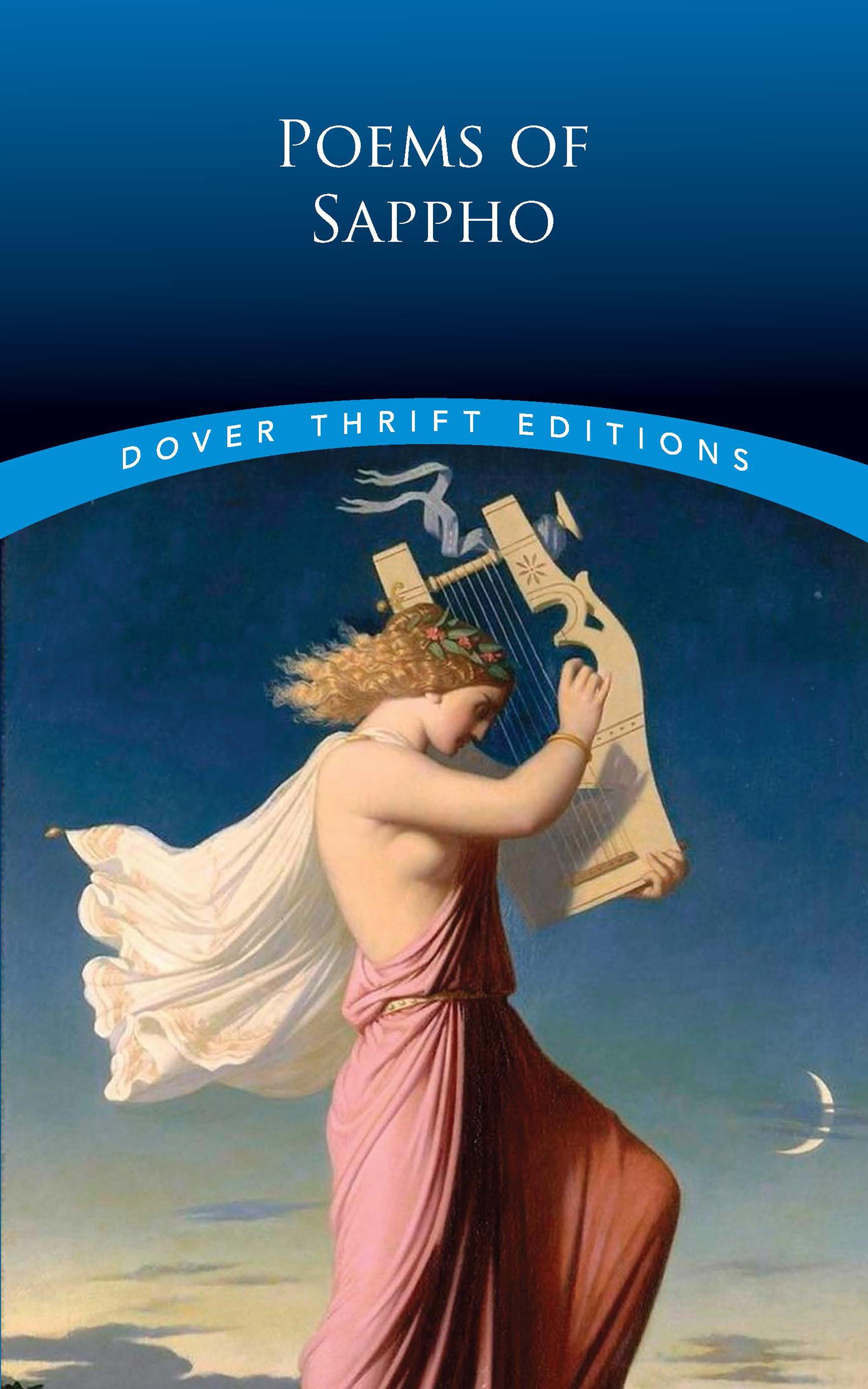
Plato hailed her as "the Tenth Muse," and 2,500 years later her voice remains dazzling as well as direct and honest. Sappho, a lyric poet from the Greek island of Lesbos, wrote verse that sings to both sexes of desire, rapture, and sorrow. Praised for their simplicity and sincerity, her poems nevertheless evoke powerful and memorable images as well as a sense of unreserved eroticism. Her focus on emotion and individualism sets her work apart from that of her contemporaries, lending it an intimacy that foreshadows modern poetry.
Details about Sappho's life are largely unknown; she is thought to have lived sometime between 612–570 B.C.E., and her poetry was read and admired throughout the ancient world. Today her poems survive in fragmentary form, and she is best known as a symbol of female homosexuality, having inspired the terms "sapphic" and "lesbian." This concise collection of her surviving works features an informative Introduction by translator J. M. Edmonds.
Details about Sappho's life are largely unknown; she is thought to have lived sometime between 612–570 B.C.E., and her poetry was read and admired throughout the ancient world. Today her poems survive in fragmentary form, and she is best known as a symbol of female homosexuality, having inspired the terms "sapphic" and "lesbian." This concise collection of her surviving works features an informative Introduction by translator J. M. Edmonds.
Płać wygodnie kartą, Klarną, Apple Pay lub Google Pay. Nie jesteś zadowolony? Zawsze masz 14-dniową gwarancję zwrotu pieniędzy. Więcej przeczytasz w naszych warunkach. Masz pytania? Napisz do nas na hello@memmo.org.
Memmo ułatwia naukę – gdziekolwiek jesteś na świecie. U nas znajdziesz podręczniki i sprytne narzędzia do nauki w jednym miejscu: streszczenia, quizy, podcasty i fiszki. A do tego Ted, Twój kumpel do nauki, który odpowie na wszystko, co Cię nurtuje. Ponad 50 000 studentów już tu się uczy – stworzone, byś uczył się szybciej i mniej stresował.
Może Ci się spodobać
Kup książkę0