
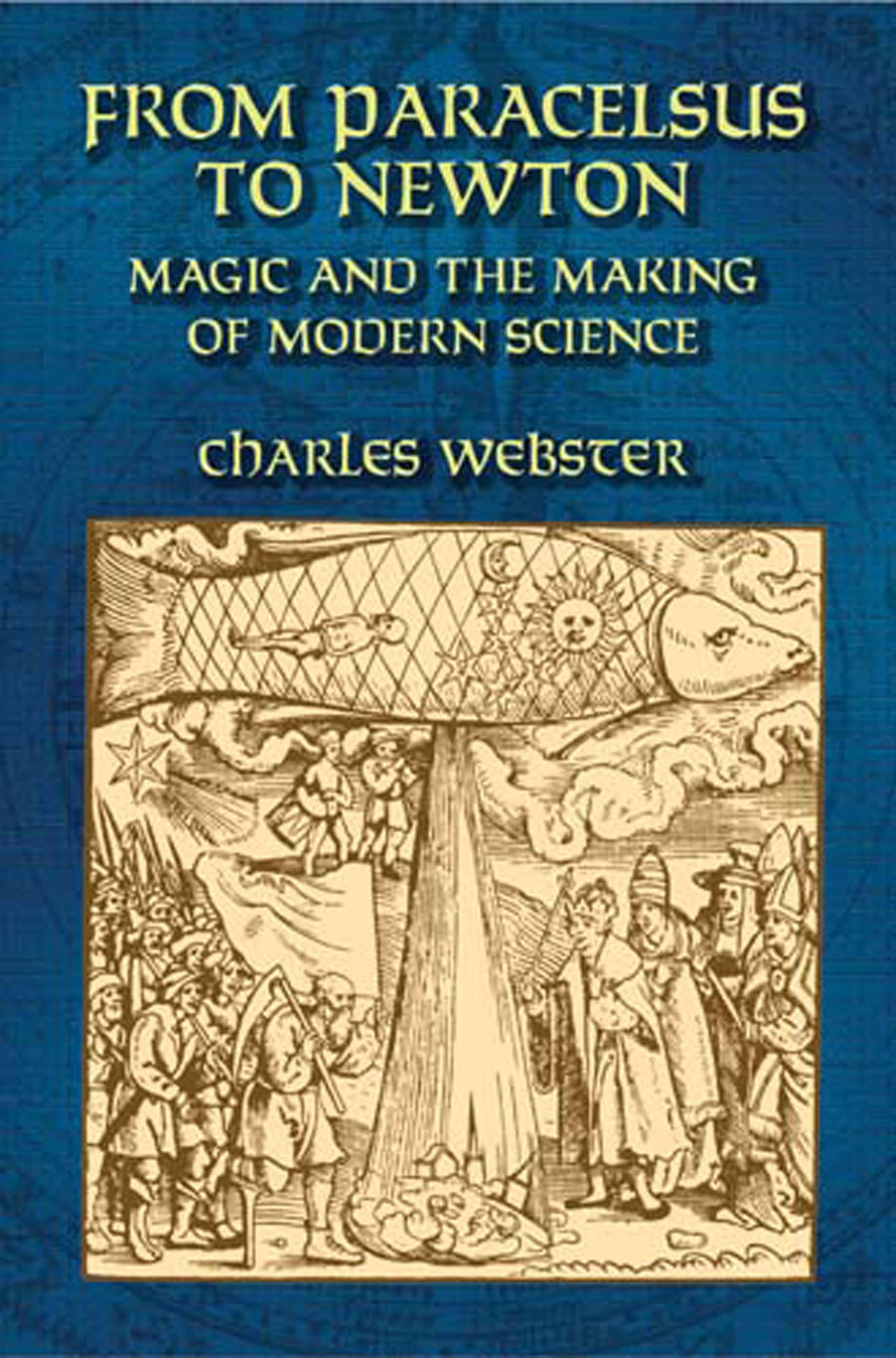
The alchemist and physician known as Paracelsus (1493–1541) appears to have dwelt in a completely different intellectual world from Sir Isaac Newton (1642–1727). Newton's work lies in the lofty era of the Enlightenment and the modern world, while that of the enigmatic Paracelsus conjures up the superstitious lore of the Dark Ages. The rise of science and the decline of magic unfolded over many generations, and as this fascinating book shows, there existed remarkable elements of continuity between the world views of the early sixteenth and late seventeenth centuries.
The essays contained in this volume constitute a slightly modified version of the Eddington Lectures, delivered at Cambridge in the autumn of 1980. In this masterly series of discourses, Charles Webster explores three test cases relating to prophecy, spiritual magic, and demonic magic. Focusing on evidence from Germany at the time of the Reformation and from England during the Restoration, these essays form a more balanced historical perspective on the epistemological shift that occurred between the ages of Paracelsus and Newton. They propose a view of the Scientific Revolution as a diverse phenomenon, the result of a dynamic interplay of forces emanating from many different directions, and all contributing to the process of creativity and change. 20 black-and-white illustrations. Introduction. Notes to each chapter.
Płać wygodnie kartą, Klarną, Apple Pay lub Google Pay. Nie jesteś zadowolony? Zawsze masz 14-dniową gwarancję zwrotu pieniędzy. Więcej przeczytasz w naszych warunkach. Masz pytania? Napisz do nas na hello@memmo.org.
Memmo ułatwia naukę – gdziekolwiek jesteś na świecie. U nas znajdziesz podręczniki i sprytne narzędzia do nauki w jednym miejscu: streszczenia, quizy, podcasty i fiszki. A do tego Ted, Twój kumpel do nauki, który odpowie na wszystko, co Cię nurtuje. Ponad 50 000 studentów już tu się uczy – stworzone, byś uczył się szybciej i mniej stresował.