
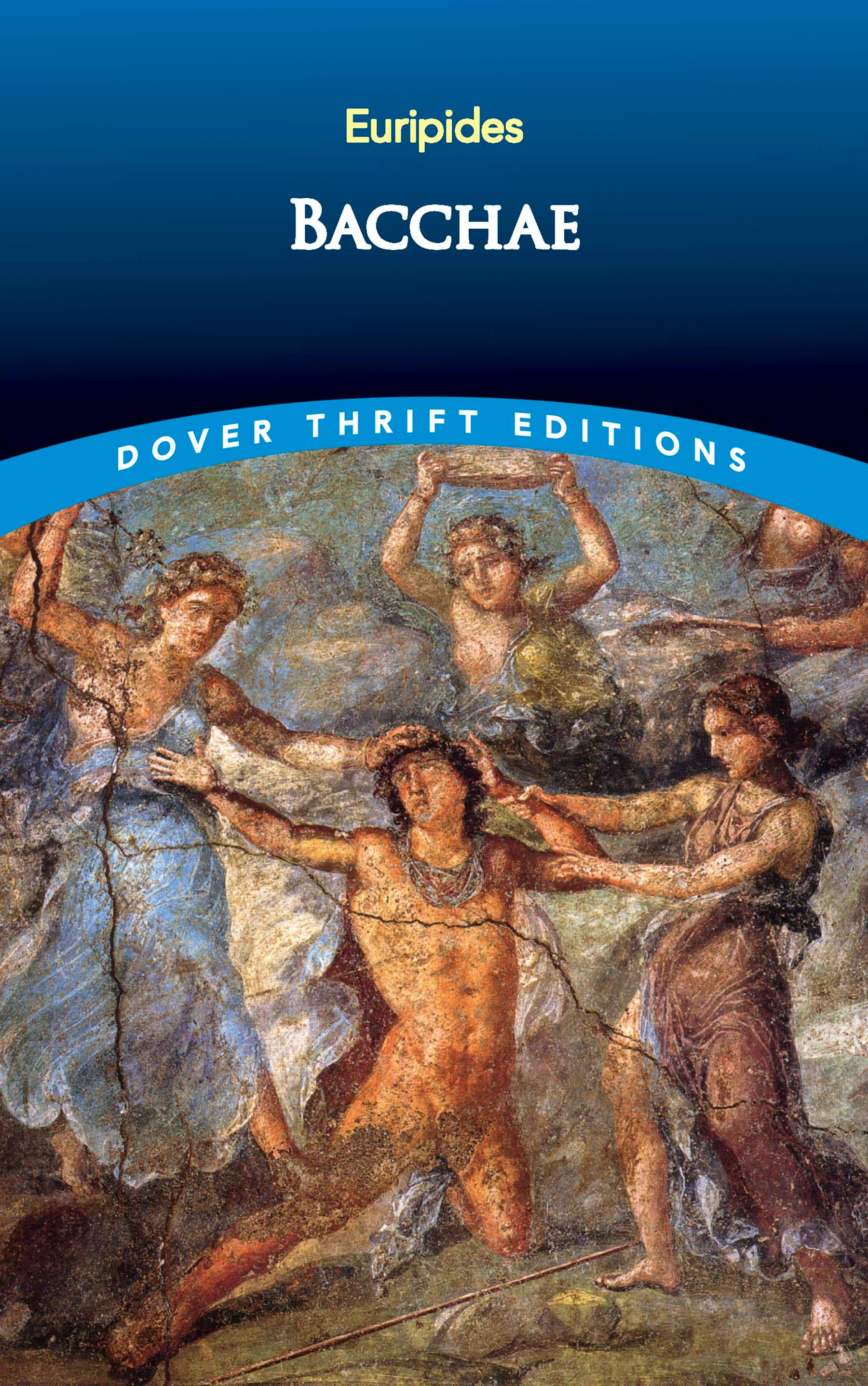
The youngest of the three great Greek tragedians, following Aeschylus and Sophocles, Euripides (ca. 484–406 B.C.) is reputed to have written ninety-two plays, nineteen of which survive. The Bacchae, a late play staged posthumously, concerns the cult of Dionysus, god of wine, whose worship hinged largely on orgiastic and frenzied nature rites.
When Dionysus (in disguise) attempts to spread his cult among the people (especially the women) of Thebes, their king, Pentheus, imprisons Dionysus and tries to suppress his cult. The king's misguided attempt to thwart the will of a god leads to catastrophe. Full of striking scenes, frenzied emotion, and choral songs of great power and beauty, the play is a fine example of Euripides' ability to exploit and manipulate traditional Greek myth to serve his own ends in probing man's psychological makeup and understanding of himself.
Płać wygodnie kartą, Klarną, Apple Pay lub Google Pay. Nie jesteś zadowolony? Zawsze masz 14-dniową gwarancję zwrotu pieniędzy. Więcej przeczytasz w naszych warunkach. Masz pytania? Napisz do nas na hello@memmo.org.
Memmo ułatwia naukę – gdziekolwiek jesteś na świecie. U nas znajdziesz podręczniki i sprytne narzędzia do nauki w jednym miejscu: streszczenia, quizy, podcasty i fiszki. A do tego Ted, Twój kumpel do nauki, który odpowie na wszystko, co Cię nurtuje. Ponad 50 000 studentów już tu się uczy – stworzone, byś uczył się szybciej i mniej stresował.