
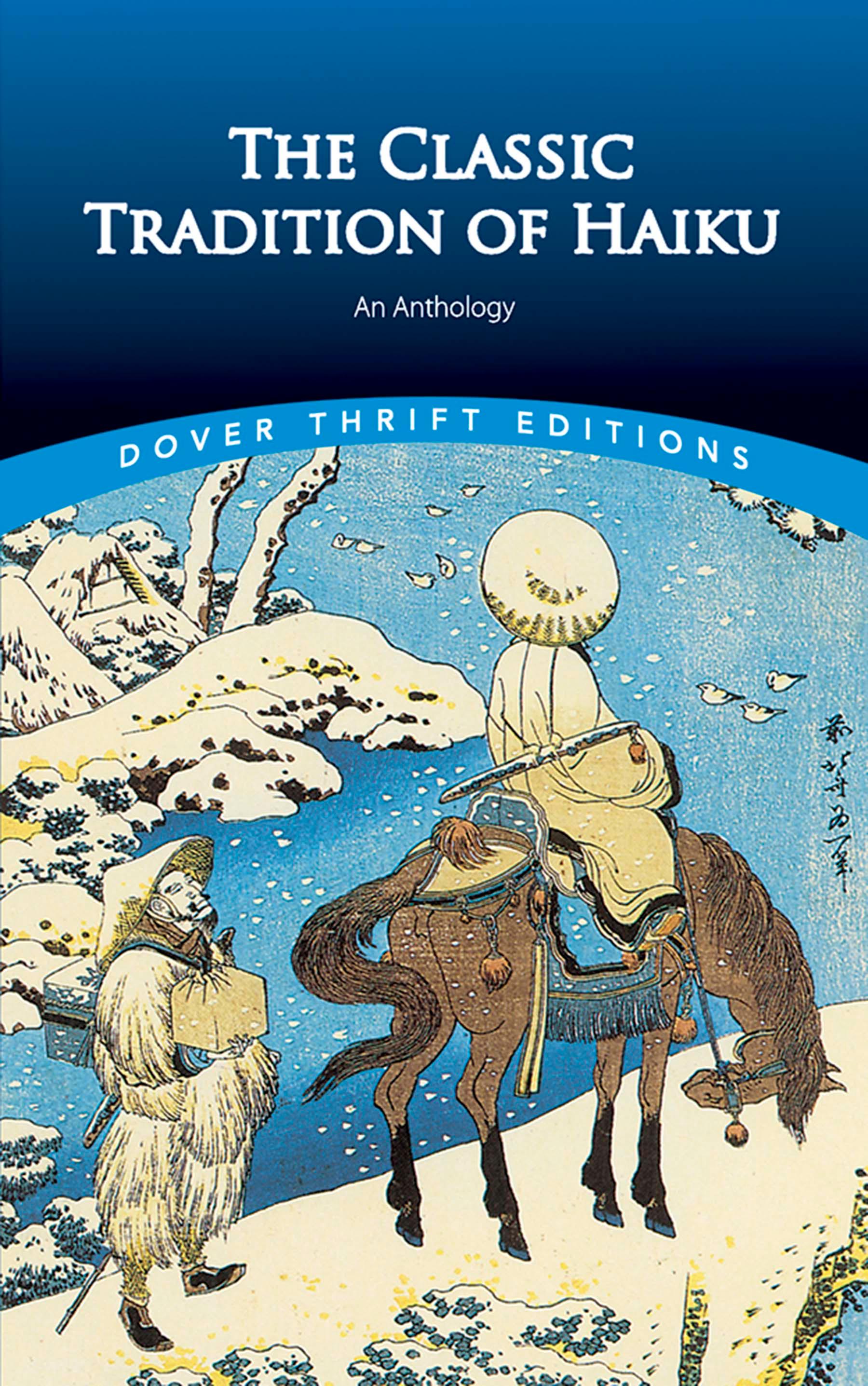
A highly distilled form of Japanese poetry, haiku consists of seventeen syllables, usually divided among three lines. Though brief, they tell a story or paint a vivid picture, leaving it to the reader to draw out the meanings and complete them in the mind's eye. Haiku often contains a hidden dualism (near and far, then and now, etc.) and has a seasonal tie-in, as well as specific word-images that reveal deeper layers in each poem.
This unique collection spans over 400 years (1488–1902) of haiku history by the greatest masters: Bashō, Issa, Shiki, and many more, in translations by top-flight scholars in the field. Haiku commands enormous respect in Japan. Now readers of poetry in the West can savor these expressive masterpieces in this treasury compiled by noted writer Faubion Bowers, who provides a Foreword and many informative notes to the poems.
Płać wygodnie kartą, Klarną, Apple Pay lub Google Pay. Nie jesteś zadowolony? Zawsze masz 14-dniową gwarancję zwrotu pieniędzy. Więcej przeczytasz w naszych warunkach. Masz pytania? Napisz do nas na hello@memmo.org.
Memmo ułatwia naukę – gdziekolwiek jesteś na świecie. U nas znajdziesz podręczniki i sprytne narzędzia do nauki w jednym miejscu: streszczenia, quizy, podcasty i fiszki. A do tego Ted, Twój kumpel do nauki, który odpowie na wszystko, co Cię nurtuje. Ponad 50 000 studentów już tu się uczy – stworzone, byś uczył się szybciej i mniej stresował.