
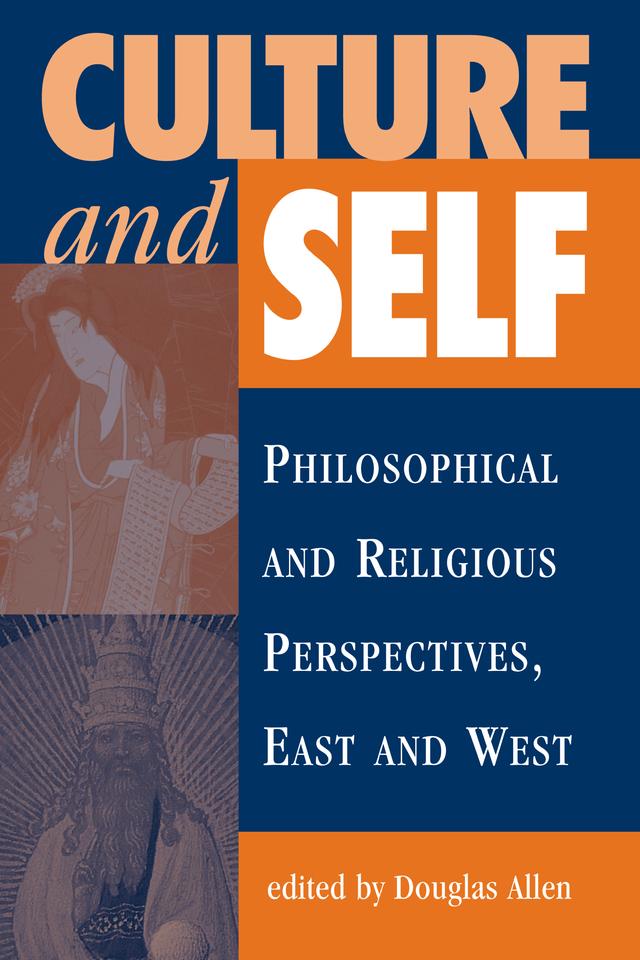
Traditional scholars of philosophy and religion, both East and West, often place a major emphasis on analyzing the nature of "the self." In recent decades, there has been a renewed interest in analyzing self, but most scholars have not claimed knowledge of an ahistorical, objective, essential self free from all cultural determinants. The contributors of this volume recognize the need to contextualize specific views of self and to analyze such views in terms of the dynamic, dialectical relations between self and culture. An unusual feature of this book is that all of the chapters not only focus on traditions and individuals, East and West, but include as primary emphases comparative philosophy, religion, and culture, reinforcing individual and cultural creativity. Each chapter brings specific Eastern and Western perspectives into a dynamic, comparative relation. This comparative orientation emphasizes our growing sense of interrelatedness and interdependency.
Płać wygodnie kartą, Klarną, Apple Pay lub Google Pay. Nie jesteś zadowolony? Zawsze masz 14-dniową gwarancję zwrotu pieniędzy. Więcej przeczytasz w naszych warunkach. Masz pytania? Napisz do nas na hello@memmo.org.
Memmo ułatwia naukę – gdziekolwiek jesteś na świecie. U nas znajdziesz podręczniki i sprytne narzędzia do nauki w jednym miejscu: streszczenia, quizy, podcasty i fiszki. A do tego Ted, Twój kumpel do nauki, który odpowie na wszystko, co Cię nurtuje. Ponad 50 000 studentów już tu się uczy – stworzone, byś uczył się szybciej i mniej stresował.
Może Ci się spodobać
Kup książkę0