
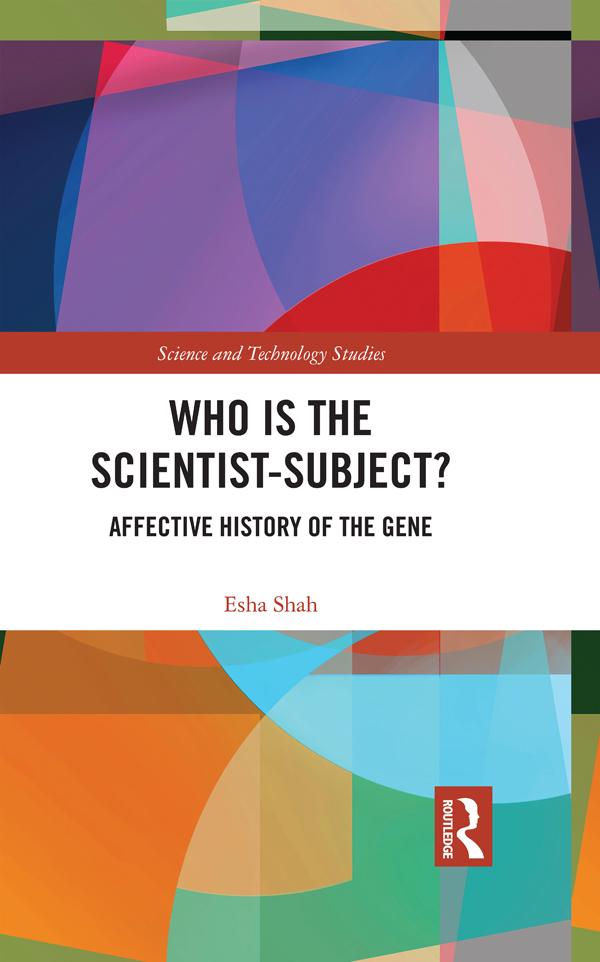
This book explores two disparate sets of debates in the history and philosophy of the life sciences: the history of subjectivity in shaping objective science and the history of dominance of reductionism in molecular biology. It questions the dominant conception of the scientist-subject as a neo-Kantian ideal self – that is, the scientist as a unified and wilful, self-determined, self-regulated, active and autonomous, rational subject wilfully driven by social and scientific ethos – in favour of a narrative that shows how the microcosm of reductionism is sustained, adopted, questioned, or challenged in the creative struggles of the scientist-subject.
The author covers a century-long history of the concept of the gene as a series of "pioneering moments" through an engagement with life-writings of eminent scientists to show how their ways of being and belonging relate with the making of the science. The scientist-self is theorized as fundamentally a feeling, experiencing, and suffering subject split between the conscious and unconscious and constitutive of personality aspects that are emotional/psychological, "situated" (cultural and ideological), metaphysical, intersubjective, and existential at the same time.
An engaging interdisciplinary interpretation of the dominance of reductionism in genetic science, this book will be of major interest to scholars and researchers of science, history, and philosophy alike.
Płać wygodnie kartą, Klarną, Apple Pay lub Google Pay. Nie jesteś zadowolony? Zawsze masz 14-dniową gwarancję zwrotu pieniędzy. Więcej przeczytasz w naszych warunkach. Masz pytania? Napisz do nas na hello@memmo.org.
Memmo ułatwia naukę – gdziekolwiek jesteś na świecie. U nas znajdziesz podręczniki i sprytne narzędzia do nauki w jednym miejscu: streszczenia, quizy, podcasty i fiszki. A do tego Ted, Twój kumpel do nauki, który odpowie na wszystko, co Cię nurtuje. Ponad 50 000 studentów już tu się uczy – stworzone, byś uczył się szybciej i mniej stresował.