
Zanim poznałem Memmo, moje notatki były rozrzucone po PDF-ach. Teraz obszar roboczy zbiera wszystko w jednym miejscu — widzę dokładnie, co jeszcze muszę powtórzyć.
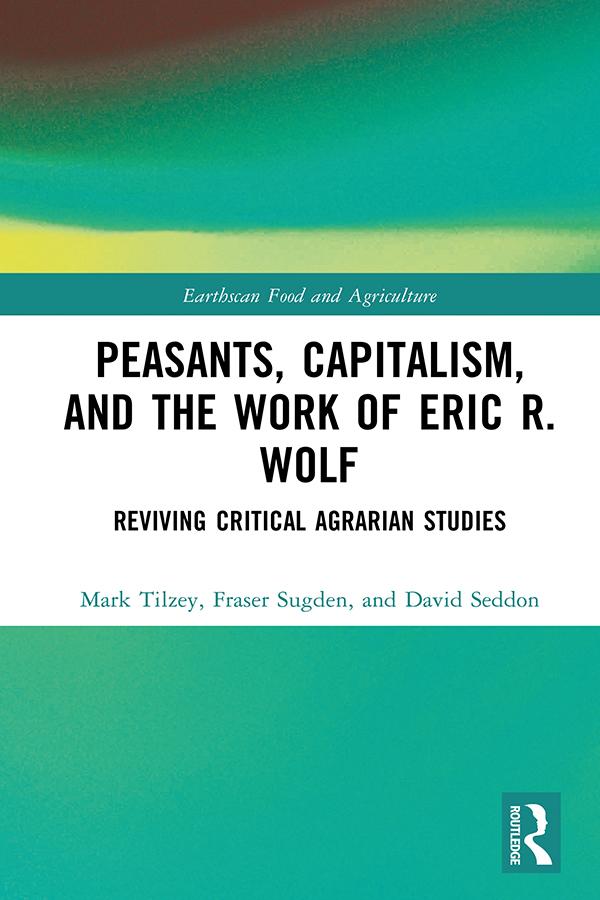
Fifty years after the publication of Eric Wolf’s celebrated Peasant Wars of the Twentieth Century, and forty years after the publication of his path-breaking Europe and the People Without History, this book offers a much-needed critical assessment and update of Wolf’s contribution to the study of the peasantry and its relationship to capitalism, the state, and imperialism.
This book provides a comprehensive evaluation of Wolf’s premises, methodology, and understanding of the peasantry, and its relationship to the rise of capitalism and the modern state. The authors analyse Wolf’s theoretical approach and, by building on his work in Europe and the People Without History especially, argue their own position concerning the dynamics of the peasantry in relation to capitalism, state, class, and imperialism. Further, the text aims to answer the agrarian question more widely, focusing on agrarian society and the political role of the peasantry in contested transitions to capitalism and to modes beyond capitalism. This requires, the authors argue, an analysis of class struggle and of the resources, material and discursive, that different classes can bring to bear on this struggle. Based on well-founded theoretical premises, the book focuses on the contested rise of capitalism in the global North, the development of core–periphery relations in the global political economy, and the place of the peasantry in these dynamics. The book presents case studies of transitions to agrarian capitalism in the British Isles, France, Germany, Japan, and the USA.
The book will be of great interest to students and researchers in the areas of peasant studies, rural politics, agrarian studies, development, and political ecology.
Zanim poznałem Memmo, moje notatki były rozrzucone po PDF-ach. Teraz obszar roboczy zbiera wszystko w jednym miejscu — widzę dokładnie, co jeszcze muszę powtórzyć.
Podsumowania Memmo to złoto przed egzaminami. Nie muszę czytać 800 stron dwa tygodnie wcześniej — tylko to, co najważniejsze.
Czat AI uratował mnie niejeden raz w noc przed egzaminem. Pytam, dopóki nie zrozumiem — i nie muszę czekać na odpowiedź od grupy studyjnej.
Quizy trafiają w punkt, jeśli chodzi o to, co muszę wiedzieć. Memmo śledzi, na czym się zacinam — więc ćwiczę tylko to, co naprawdę się liczy.
Fiszki z powtórkami rozłożonymi w czasie to magia. Memmo wie, kiedy mam coś zapomnieć i przypomina mi o tym.
Podcasty AI to mój faworyt. Słucham w drodze do szkoły i powtarzam materiał, nie siedząc przed komputerem.

Handbok i kvalitativa metoder
281 kr

Hållbar utveckling: en introduktion för ingenjörer och andra problemlösare
334 kr

Brymans Samhällsvetenskapliga metoder
390 kr

Projektledning
491 kr

Den orättvisa hälsan: om socioekonomiska skillnader i hälsa och livslängd
326 kr

Organizational Leadership
429 kr

Vetenskapsteori för nybörjare
196 kr

På väg mot läraryrket
172 kr

Det sociala livet i skolan: Socialpsykologiska perspektiv
253 kr

Betygsättningens didaktik
151 kr

Personality
402 kr

Studying Leadership
404 kr

Managing Innovation
477 kr

Introduktion till samhällsvetenskaplig metod
347 kr

The Psychology of Sex and Gender
698 kr

Introduction to Leadership
605 kr

Evidens och kunskap för socialt arbete
207 kr