
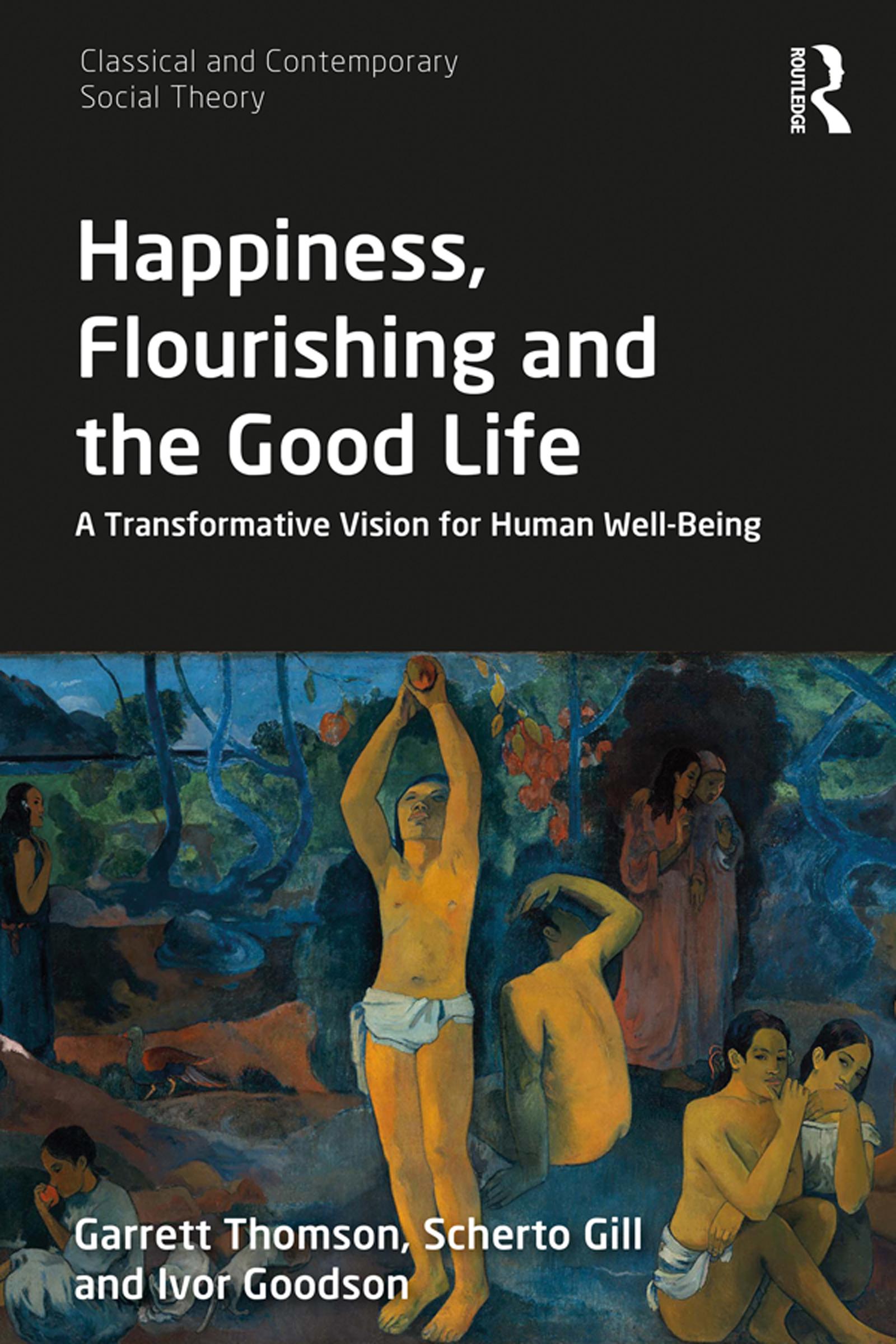
Well-being studies is an exciting and relatively new multi-disciplinary field, with data being gathered from different domains in order to improve social policies. In its reliance on a truncated account of well-being based implicitly on neoclassical economic assumptions, however, the field is deeply flawed. Departing from reductive accounts of well-being that exclude the normative or evaluative aspect of the concept and so impoverish the attendant conception of human life, this book offers a new perspective on what counts normatively as being well. In reconceptualising well-being holistically, it presents a fresh vista on how we can consider the meanings of human life in a manner that also serves as a source of constructive social critique. The book thus undertakes to invert the usual approach to the social sciences, in which the research is required to be objective in terms of methodology and subjective with regard to evaluative claims. Instead, the authors are deliberately objective about values in order to be more open to the subjectivities of human life. Happiness, Flourishing and the Good Life thus seeks to move away from economic considerations’ domination of all social spaces in order to understand the possibilities of well-being beyond instrumentalisation or commodification. A radical new approach to the human well-being, this book will appeal to philosophers, social theorists and political scientists and all who are interested in human happiness.
Płać wygodnie kartą, Klarną, Apple Pay lub Google Pay. Nie jesteś zadowolony? Zawsze masz 14-dniową gwarancję zwrotu pieniędzy. Więcej przeczytasz w naszych warunkach. Masz pytania? Napisz do nas na hello@memmo.org.
Memmo ułatwia naukę – gdziekolwiek jesteś na świecie. U nas znajdziesz podręczniki i sprytne narzędzia do nauki w jednym miejscu: streszczenia, quizy, podcasty i fiszki. A do tego Ted, Twój kumpel do nauki, który odpowie na wszystko, co Cię nurtuje. Ponad 50 000 studentów już tu się uczy – stworzone, byś uczył się szybciej i mniej stresował.