
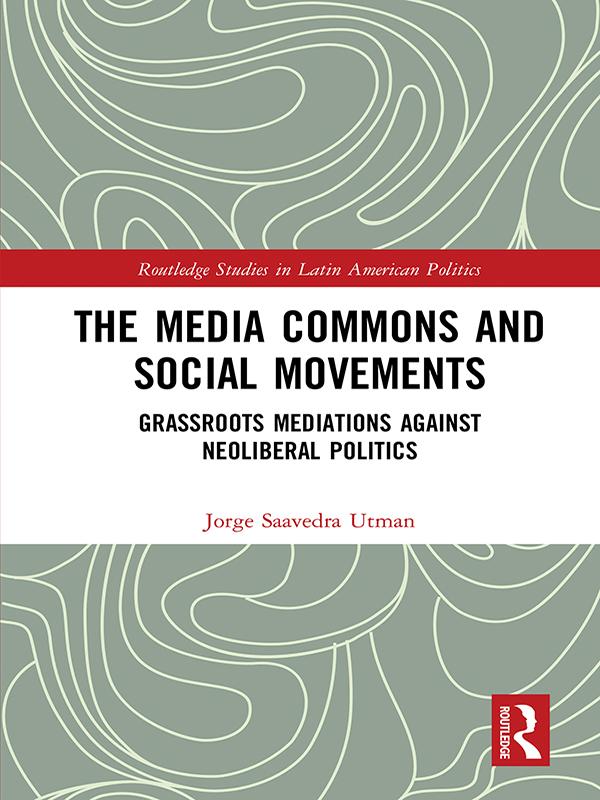
What does it mean to have a voice in a formal democracy operating under neoliberal guidelines and with an almost entirely private media system? How can the people gain their voice and engage in a dialogue with hegemonic actors and discourses?
In this book, Jorge Saavedra Utman examines the role of media and communicative practices during one of the largest social mobilizations in Latin America in the last 30 years: Chile’s 2011 students’ movement. Saavedra Utman observes the eye-catching, subversive, but also intimate practices that, in a country with a liberal democracy and neoliberal policies, allowed people to speak up and become political actors from grassroots positions. Presenting rich qualitative data that is sourced from interviews and focus groups with activists, he introduces a fresh perspective on the study of media and communications and social movements. Saavedra Utman paints a clearer picture of contentious events since 2011 - like the Arab Spring and Occupy – to understand the relevance of media and communications in contemporary quests for participation and democracy.
Promising to be an important book, The Media Commons and Social Movements represents a significant contribution to our understanding of communicative dimensions of protest and social change.
Płać wygodnie kartą, Klarną, Apple Pay lub Google Pay. Nie jesteś zadowolony? Zawsze masz 14-dniową gwarancję zwrotu pieniędzy. Więcej przeczytasz w naszych warunkach. Masz pytania? Napisz do nas na hello@memmo.org.
Memmo ułatwia naukę – gdziekolwiek jesteś na świecie. U nas znajdziesz podręczniki i sprytne narzędzia do nauki w jednym miejscu: streszczenia, quizy, podcasty i fiszki. A do tego Ted, Twój kumpel do nauki, który odpowie na wszystko, co Cię nurtuje. Ponad 50 000 studentów już tu się uczy – stworzone, byś uczył się szybciej i mniej stresował.