
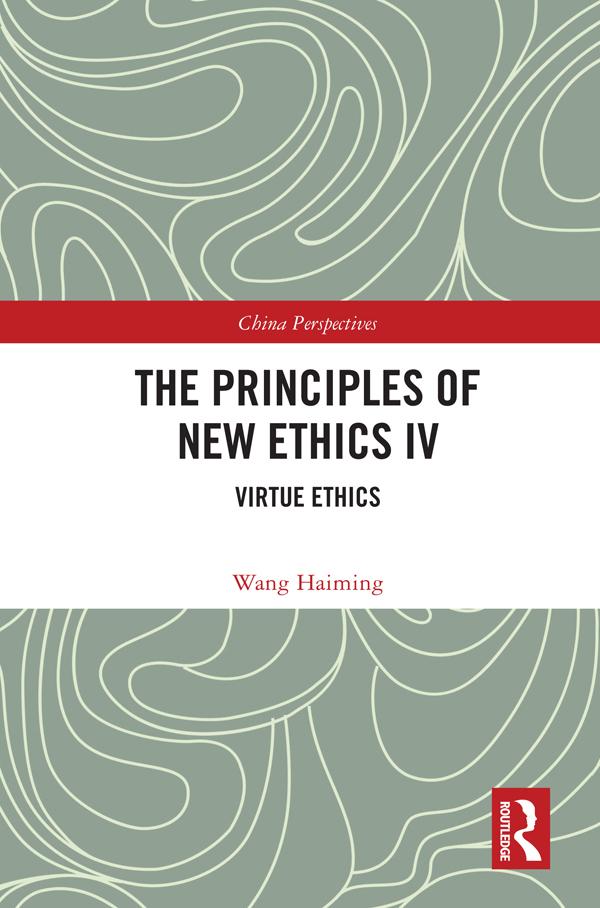
From Descartes to Spinoza, Western philosophers have attempted to propose an axiomatic systemization of ethics. However, without consensus on the contents and objects of ethics, the system remains incomplete. This four-volume set presents a model that highlights a Chinese philosopher’s insights into ethics after a 22-year study. Three essential components of ethics are examined: meta-ethics, normative ethics, and virtue ethics.
In this volume, the author analyzes the relationship between people’s sense of reputation, the political and economic status of a nation, and the observation of virtue ethics, and he argues that reputation can encourage people to conform to virtue ethics. In addition, a nation’s political and economic status is closely connected to people’s virtue ethics. That is, people will have higher virtue ethics when constitutional democracy, a market economy without government control, freedom of speech, and the moral system of liberalism and egalitarianism are established in a nation.
This title is an essential read for students and scholars of ethics and philosophy in general.
Płać wygodnie kartą, Klarną, Apple Pay lub Google Pay. Nie jesteś zadowolony? Zawsze masz 14-dniową gwarancję zwrotu pieniędzy. Więcej przeczytasz w naszych warunkach. Masz pytania? Napisz do nas na hello@memmo.org.
Memmo ułatwia naukę – gdziekolwiek jesteś na świecie. U nas znajdziesz podręczniki i sprytne narzędzia do nauki w jednym miejscu: streszczenia, quizy, podcasty i fiszki. A do tego Ted, Twój kumpel do nauki, który odpowie na wszystko, co Cię nurtuje. Ponad 50 000 studentów już tu się uczy – stworzone, byś uczył się szybciej i mniej stresował.