
Zanim poznałem Memmo, moje notatki były rozrzucone po PDF-ach. Teraz obszar roboczy zbiera wszystko w jednym miejscu — widzę dokładnie, co jeszcze muszę powtórzyć.
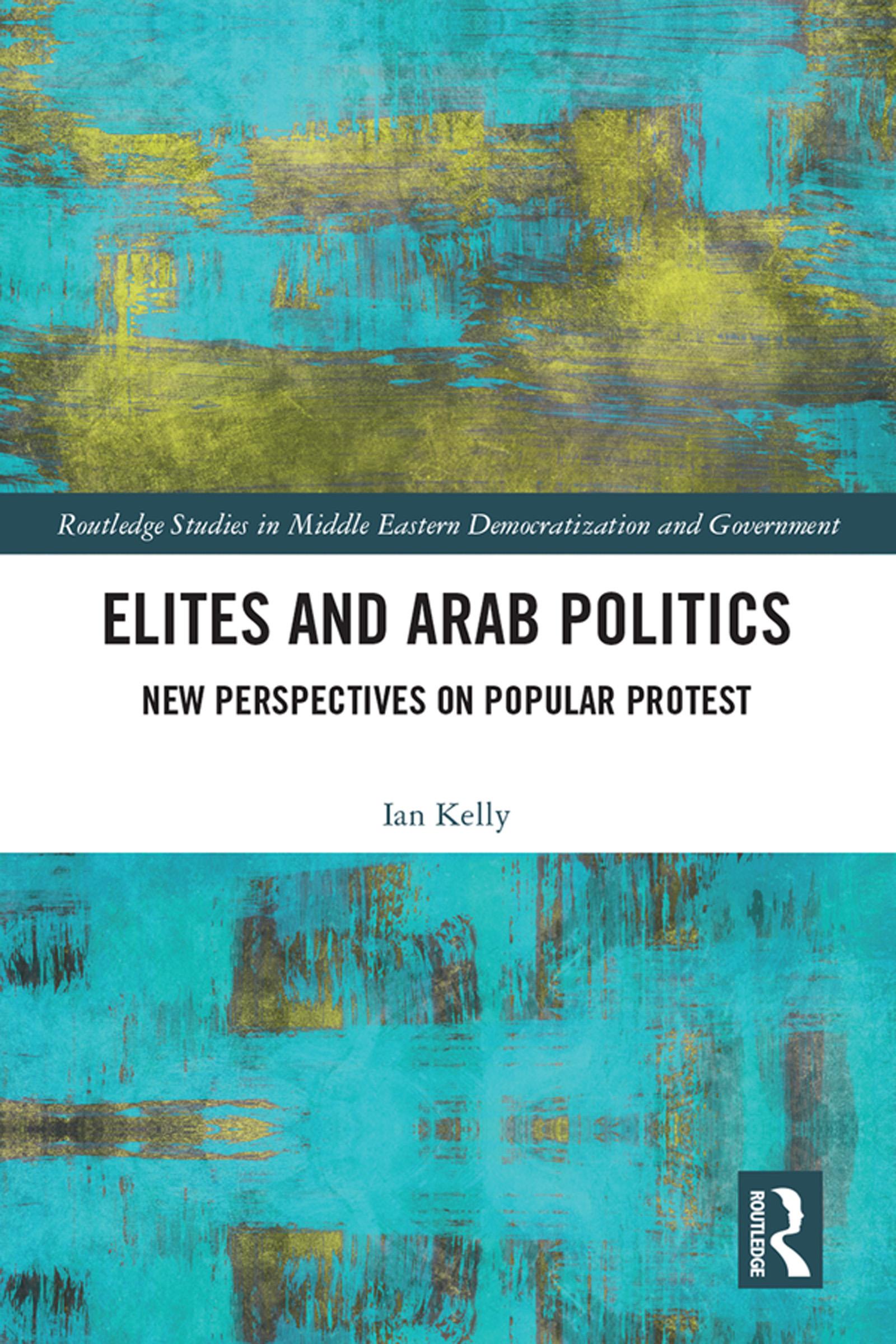
This work explains elite behaviour in authoritarian systems and proposes why elites withdraw their support for the incumbent when faced with popular uprisings. Building upon foundations drawn from institutional authoritarianism and synthesised with local context from the substantial scholarship on the Middle East and North Africa, the book argues that the elite supporting autocrats come from three distinct cadres: the military, the single-party and the personalist.
Each of these cadres possesses its own distinct institutional interests and preferences towards regime change. Drawing on these interests, the study constructs a theoretical framework that is assessed through testing it against three variables. Utilising an analytic narrative, the research finds that the withdrawal of elite support is the consequence of long-term processes that see distinct cadres marginalised. First, increased incumbent preference for personalist elements destabilises regimes as the military and single-party cadres reconsider their positions. Second, neoliberal economic policies, implemented via structural adjustment, accelerated this personalisation as the state’s withdrawal from the economy. This, in turn, affected the ability of the military and single-party elites to access patronage. Finally, the degree of military involvement in the formal political sphere contributes to shaping the nature of the system that replaced the incumbent regime under examination.
Building upon a wide range of literature the book argues that interest realisation determines whether or not elite actors support regime change in authoritarian systems. The volume will be of interest to scholars researching politics, social sciences and the Middle East.
Zanim poznałem Memmo, moje notatki były rozrzucone po PDF-ach. Teraz obszar roboczy zbiera wszystko w jednym miejscu — widzę dokładnie, co jeszcze muszę powtórzyć.
Podsumowania Memmo to złoto przed egzaminami. Nie muszę czytać 800 stron dwa tygodnie wcześniej — tylko to, co najważniejsze.
Czat AI uratował mnie niejeden raz w noc przed egzaminem. Pytam, dopóki nie zrozumiem — i nie muszę czekać na odpowiedź od grupy studyjnej.
Quizy trafiają w punkt, jeśli chodzi o to, co muszę wiedzieć. Memmo śledzi, na czym się zacinam — więc ćwiczę tylko to, co naprawdę się liczy.
Fiszki z powtórkami rozłożonymi w czasie to magia. Memmo wie, kiedy mam coś zapomnieć i przypomina mi o tym.
Podcasty AI to mój faworyt. Słucham w drodze do szkoły i powtarzam materiał, nie siedząc przed komputerem.

Handbok i kvalitativa metoder
281 kr

Hållbar utveckling: en introduktion för ingenjörer och andra problemlösare
334 kr

Brymans Samhällsvetenskapliga metoder
390 kr

Projektledning
491 kr

Den orättvisa hälsan: om socioekonomiska skillnader i hälsa och livslängd
326 kr

Organizational Leadership
429 kr

Vetenskapsteori för nybörjare
196 kr

På väg mot läraryrket
172 kr

Det sociala livet i skolan: Socialpsykologiska perspektiv
253 kr

Betygsättningens didaktik
151 kr

Personality
402 kr

Studying Leadership
404 kr

Managing Innovation
477 kr

Introduktion till samhällsvetenskaplig metod
347 kr

The Psychology of Sex and Gender
698 kr

Evidens och kunskap för socialt arbete
207 kr

Introduction to Leadership
605 kr