
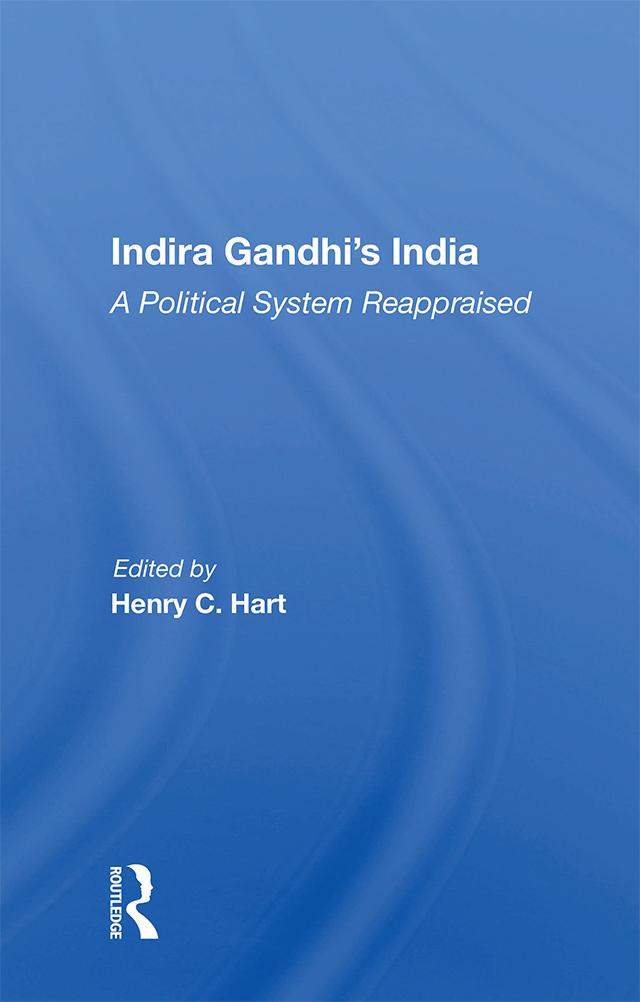
India, credited with the best institutionalized democracy of the Third World, changed in 1975, apparently overnight and at the decision of one individual, to a quasi-dictatorship. A transformation so remarkable prompted eight scholars of Indian politics to reexamine the sectors of the system they know well, seeking explanations. They reappraise the carry-over of colonial institutions and procedures, the distribution of power in the ruling party, business influence, the roles of the divided Communist parties, the position of the administrative corps and of the army, and unrest among the rural poor at its most volatile, in the state of Bihar. An introduction shows just what Mrs. Gandhi changed, the situation that triggered her action, and the justification she advances. A concluding chapter tests the facts of the Indian transformation against four major theories of political change in the developing world: projection into politics of personality conflicts of the leader, agrarian class conflict, social mobilization, and cultural assimilation and institutionalization.
Strony: 312
Kategoria: Statsvetenskap & Politik
e-ISBN: 9780429726071
Waga przesyłki: 1.2 kg
Wysyłka w ciągu: 1-2 dni
Płać wygodnie kartą, Klarną, Apple Pay lub Google Pay. Nie jesteś zadowolony? Zawsze masz 14-dniową gwarancję zwrotu pieniędzy. Więcej przeczytasz w naszych warunkach. Masz pytania? Napisz do nas na hello@memmo.org.
Memmo ułatwia naukę – gdziekolwiek jesteś na świecie. U nas znajdziesz podręczniki i sprytne narzędzia do nauki w jednym miejscu: streszczenia, quizy, podcasty i fiszki. A do tego Ted, Twój kumpel do nauki, który odpowie na wszystko, co Cię nurtuje. Ponad 50 000 studentów już tu się uczy – stworzone, byś uczył się szybciej i mniej stresował.
Może Ci się spodobać
Kup książkę0