
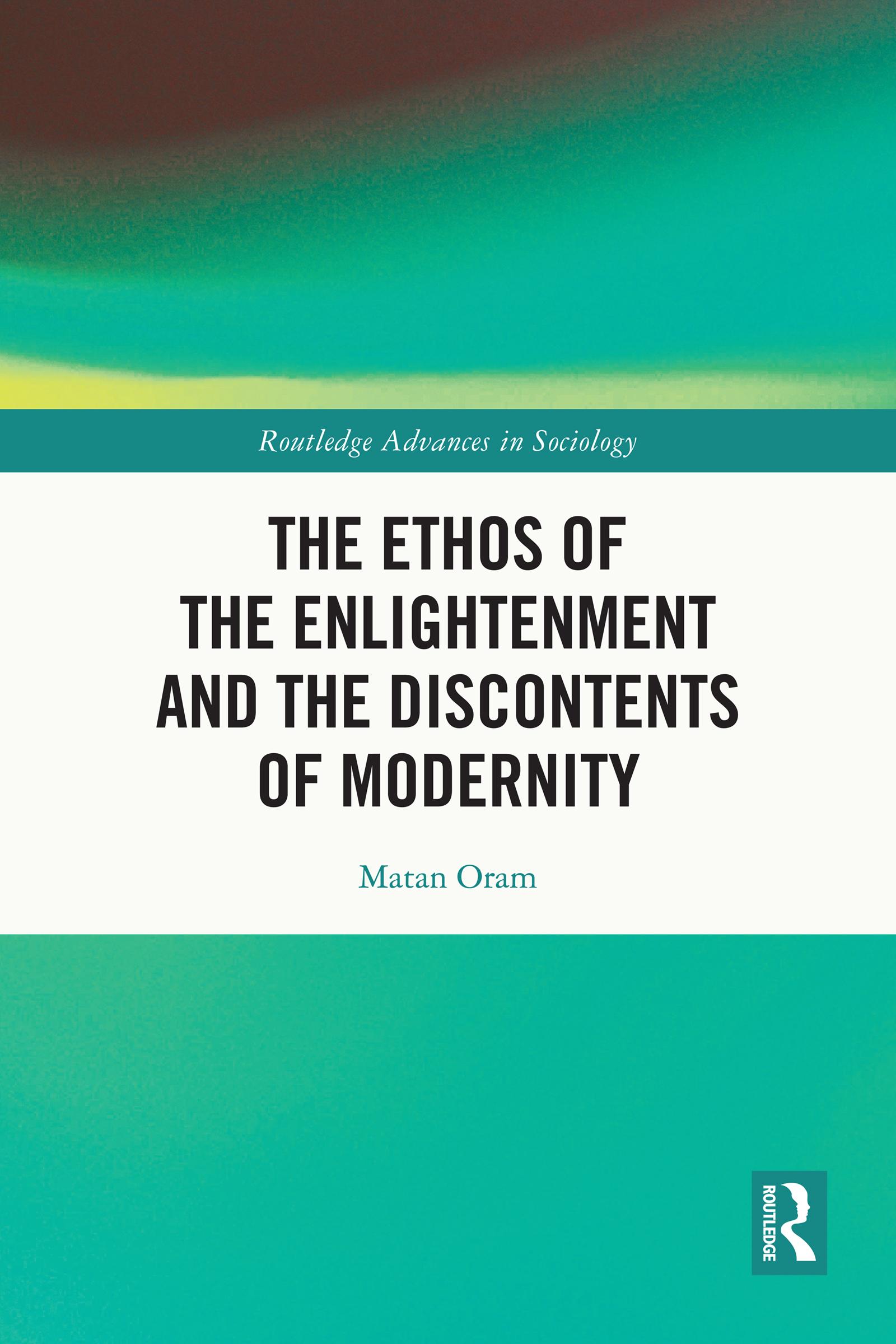
This book probes the sources and nature of the ‘discontents of modernity’. It proposes a new approach to the philosophic-critical discourse on modernity.
The Enlightenment is widely understood to be the foundational moment of modernity. Yet despite its appeal to reason as the ultimate ground of its authority and legitimacy, the Enlightenment has had multiple historical manifestations and, therefore, can hardly be said to be a homogenous phenomenon. The present work seeks to identify a unitive element that allows us to speak of the Enlightenment. To do so, it enjoins the concept of ‘ethos’ and its relation to the ‘discontents of modernity’.
This book proposes a new theoretical framework for the examination of the interrelationships between ‘critical thought’ and ‘modernity’, based on a fundamental distinction between criticism and negation. It will appeal to scholars and students of critical theory, the history of ideas, philosophy, the sociology of knowledge, and political science.
Płać wygodnie kartą, Klarną, Apple Pay lub Google Pay. Nie jesteś zadowolony? Zawsze masz 14-dniową gwarancję zwrotu pieniędzy. Więcej przeczytasz w naszych warunkach. Masz pytania? Napisz do nas na hello@memmo.org.
Memmo ułatwia naukę – gdziekolwiek jesteś na świecie. U nas znajdziesz podręczniki i sprytne narzędzia do nauki w jednym miejscu: streszczenia, quizy, podcasty i fiszki. A do tego Ted, Twój kumpel do nauki, który odpowie na wszystko, co Cię nurtuje. Ponad 50 000 studentów już tu się uczy – stworzone, byś uczył się szybciej i mniej stresował.