
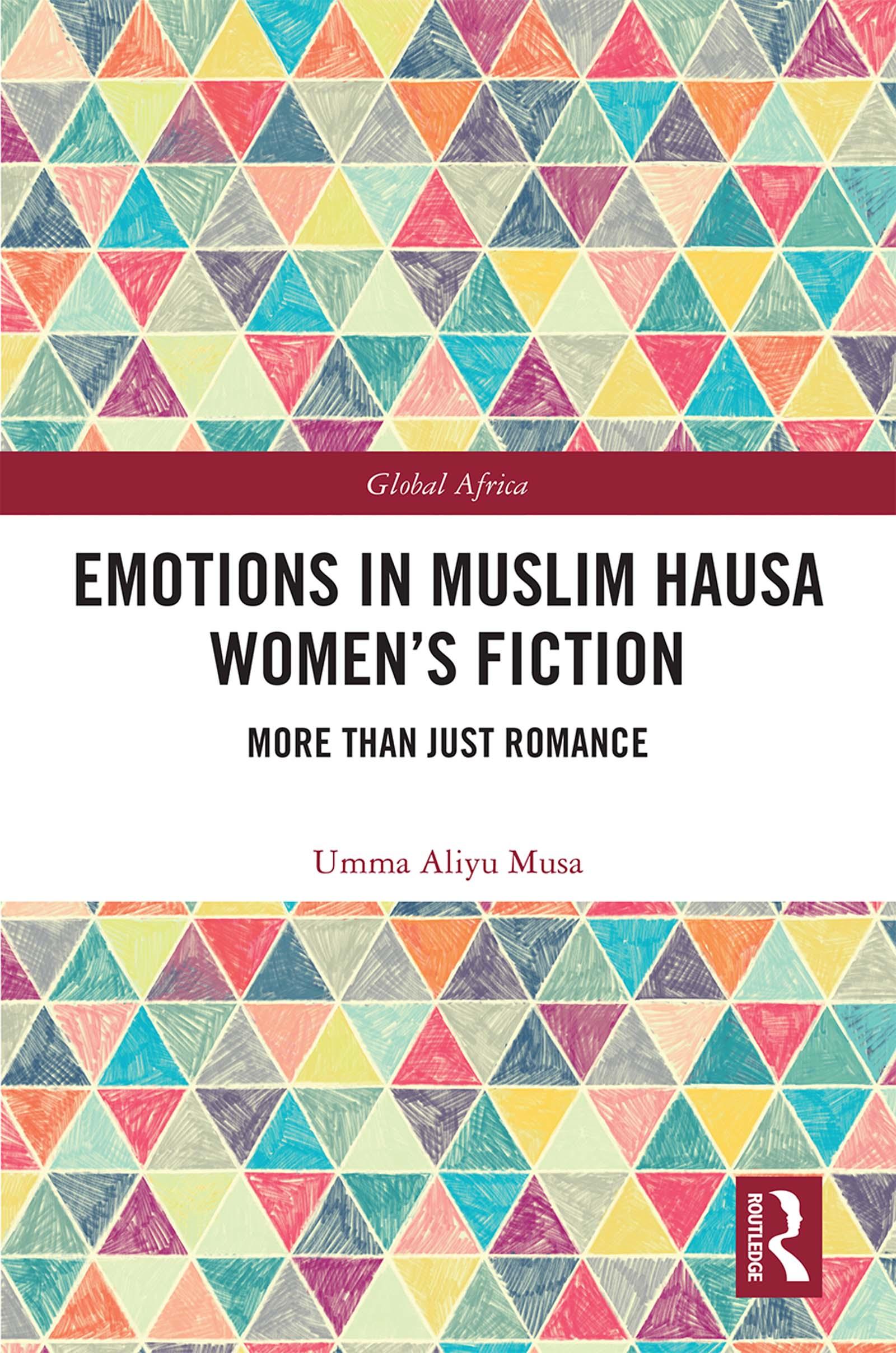
This book examines the emotions expressed in Hausa women’s prose fiction in northern Nigeria, showing how Hausa Muslim women writers use fiction in their indigenous language to demonstrate and express their anger about the problems they face in a patriarchal society.
Umma Aliyu Musa shows how Hausa women authors use literature as a subversive instrument to voice their anger and draw attention to their plight, and what they perceive to be unfair traditional authority in a male-dominated society. Their stories about women protagonists who rebel against existing traditional structures enable women readers to understand the anger experienced by other women who have gone through similar situations. Issues at the heart of these women's narratives include forced marriage, polygyny, family honor and the effects of love. The authors' use of metaphorical expressions of anger, particularly those registered through body parts, provides insight into Hausa women's thoughts, culture and socialization within their private spheres. Thus, writing by these women in the Hausa language creates an effective communication network that offers insight into domestic ecology as it affects women.
Emotions in Muslim Hausa Women's Fiction will be of interest to scholars and students of African literature, postcolonial literature, gender studies in African society, womanism, emotions and indigenous African fiction studies.
Płać wygodnie kartą, Klarną, Apple Pay lub Google Pay. Nie jesteś zadowolony? Zawsze masz 14-dniową gwarancję zwrotu pieniędzy. Więcej przeczytasz w naszych warunkach. Masz pytania? Napisz do nas na hello@memmo.org.
Memmo ułatwia naukę – gdziekolwiek jesteś na świecie. U nas znajdziesz podręczniki i sprytne narzędzia do nauki w jednym miejscu: streszczenia, quizy, podcasty i fiszki. A do tego Ted, Twój kumpel do nauki, który odpowie na wszystko, co Cię nurtuje. Ponad 50 000 studentów już tu się uczy – stworzone, byś uczył się szybciej i mniej stresował.