
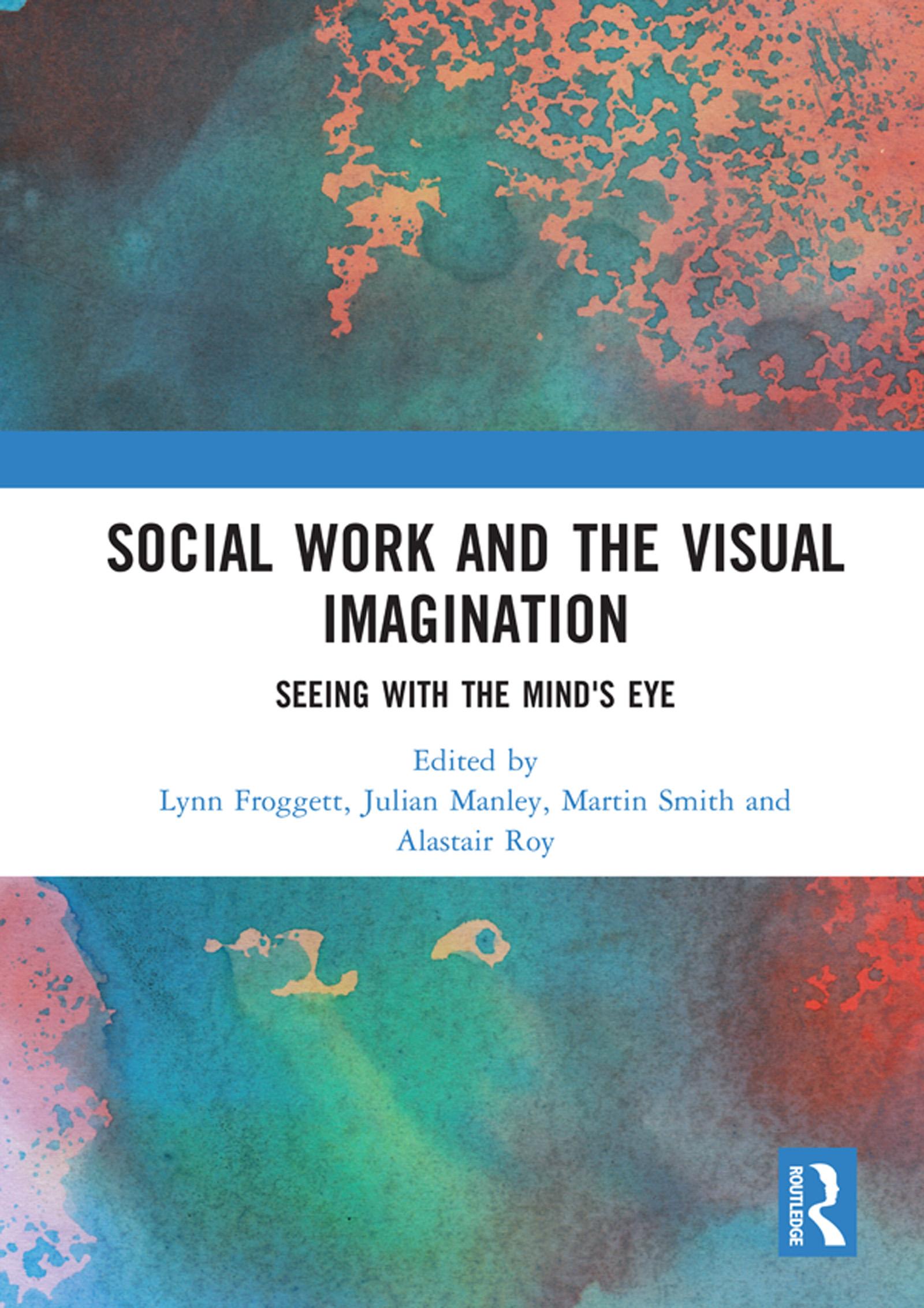
Images are inscribed in the memory more easily than words, and some remain with the viewer for a lifetime. Combining hindsight, insight and foresight, the chapters in this book turn a spotlight onto various aspects of health, social work and socially engaged arts practice. The visual imagination is evoked in this book to help practitioners see beneath the surface of contentious and problematic issues facing human services today. Risk assessment, child sexual abuse, work-life balance, old age, dementia, substance misuse, recovery, sex work, homelessness, isolation, biography, death and dying, grief, loss, vulnerability, care, and the function of the museum as a preserver of memory, all come under the sustained gaze and examination of the contributors. Grounded in the arts and humanities, the visual sense as a gateway to empathy is explored throughout these chapters. References are included to visual art, curating dramatic performance, poetry, film, dance, photography, diary entries, and public exhibitions. In an age when people increasingly compose their lives by staring into various screens, this book celebrates the visual modality that can humanise services with ‘human-seeings’.
This book was originally published as a special issue of the Journal of Social Work Practice.
Płać wygodnie kartą, Klarną, Apple Pay lub Google Pay. Nie jesteś zadowolony? Zawsze masz 14-dniową gwarancję zwrotu pieniędzy. Więcej przeczytasz w naszych warunkach. Masz pytania? Napisz do nas na hello@memmo.org.
Memmo ułatwia naukę – gdziekolwiek jesteś na świecie. U nas znajdziesz podręczniki i sprytne narzędzia do nauki w jednym miejscu: streszczenia, quizy, podcasty i fiszki. A do tego Ted, Twój kumpel do nauki, który odpowie na wszystko, co Cię nurtuje. Ponad 50 000 studentów już tu się uczy – stworzone, byś uczył się szybciej i mniej stresował.