
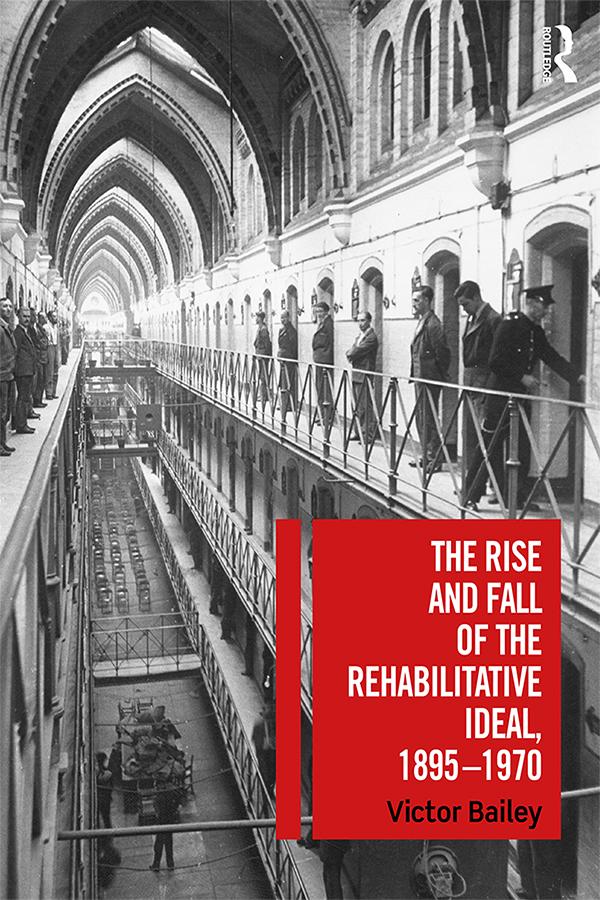
Spanning almost a century of penal policy and practice in England and Wales, this book is a study of the long arc of the rehabilitative ideal, beginning in 1895, the year of the Gladstone Committee on Prisons, and ending in 1970, when the policy of treating and training criminals was very much on the defensive.
Drawing on a plethora of source material, such as the official papers of mandarins, ministers, and magistrates, measures of public opinion, prisoner memoirs, publications of penal reform groups and prison officers, the reports of Royal Commissions and Departmental Committees, political opinion in both Houses of Parliament and the research of the first cadre of criminologists, this book comprehensively examines a number of aspects of the British penal system, including judicial sentencing, law-making, and the administration of legal penalties. In doing so, Victor Bailey expertly weaves a complex and nuanced picture of punishment in twentieth-century England and Wales, one that incorporates the enduring influence of the death penalty, and will force historians to revise their interpretation of twentieth-century social and penal policy.
This detailed and ground-breaking account of the rise and fall of the rehabilitative ideal will be essential reading for scholars and students of the history of crime and justice and historical criminology, as well as those interested in social and legal history.
Płać wygodnie kartą, Klarną, Apple Pay lub Google Pay. Nie jesteś zadowolony? Zawsze masz 14-dniową gwarancję zwrotu pieniędzy. Więcej przeczytasz w naszych warunkach. Masz pytania? Napisz do nas na hello@memmo.org.
Memmo ułatwia naukę – gdziekolwiek jesteś na świecie. U nas znajdziesz podręczniki i sprytne narzędzia do nauki w jednym miejscu: streszczenia, quizy, podcasty i fiszki. A do tego Ted, Twój kumpel do nauki, który odpowie na wszystko, co Cię nurtuje. Ponad 50 000 studentów już tu się uczy – stworzone, byś uczył się szybciej i mniej stresował.