
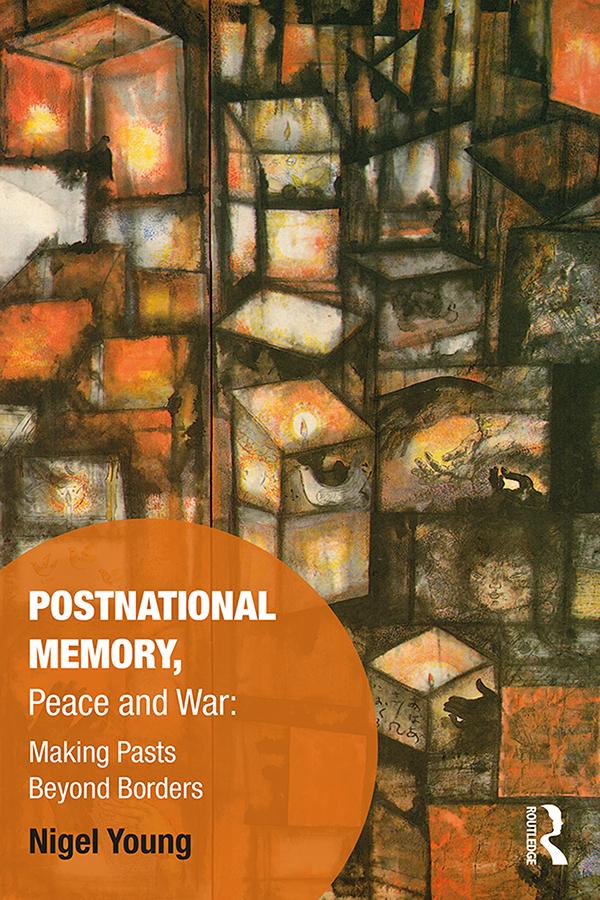
This book examines the phenomenon of modern memory as a reaction to total war, an aspiration to truth-seeking provoked by the independent forces of modern war and collective violence which is transnational, or postnational, in character. Using examples from prose and poetry, film and theatre, painting and photography, and music and the popular arts, the author traces a narrative path through the events of the twentieth century, defining the tradition of modern memory in terms of its essentially anti-militaristic, anti-war character, as expressed in the manner in which it represents recalled violence and atrocity. Through a series of thematic discussions of two world wars, the Shoah, urbicide and nuclear weapons, Postnational Memory explores the formation of transnational memory, drawing on examples from industrialized societies, with a focus on memory of real events and their reproduction in literature and the arts, often including personal recollections that link the self to the represented past. As such, by asking how the concept of modern memory is constructed through the victims of war and genocide, the book constitutes an alternative to national memories and hegemonic, militarist or ethnocentric histories. Surveying the emergence of new, transnational forms of remembering the past, it will appeal to students and scholars of sociology, memory studies and peace studies, as well as those working in disciplines such as modern and international history, cultural studies and military studies.
Płać wygodnie kartą, Klarną, Apple Pay lub Google Pay. Nie jesteś zadowolony? Zawsze masz 14-dniową gwarancję zwrotu pieniędzy. Więcej przeczytasz w naszych warunkach. Masz pytania? Napisz do nas na hello@memmo.org.
Memmo ułatwia naukę – gdziekolwiek jesteś na świecie. U nas znajdziesz podręczniki i sprytne narzędzia do nauki w jednym miejscu: streszczenia, quizy, podcasty i fiszki. A do tego Ted, Twój kumpel do nauki, który odpowie na wszystko, co Cię nurtuje. Ponad 50 000 studentów już tu się uczy – stworzone, byś uczył się szybciej i mniej stresował.