
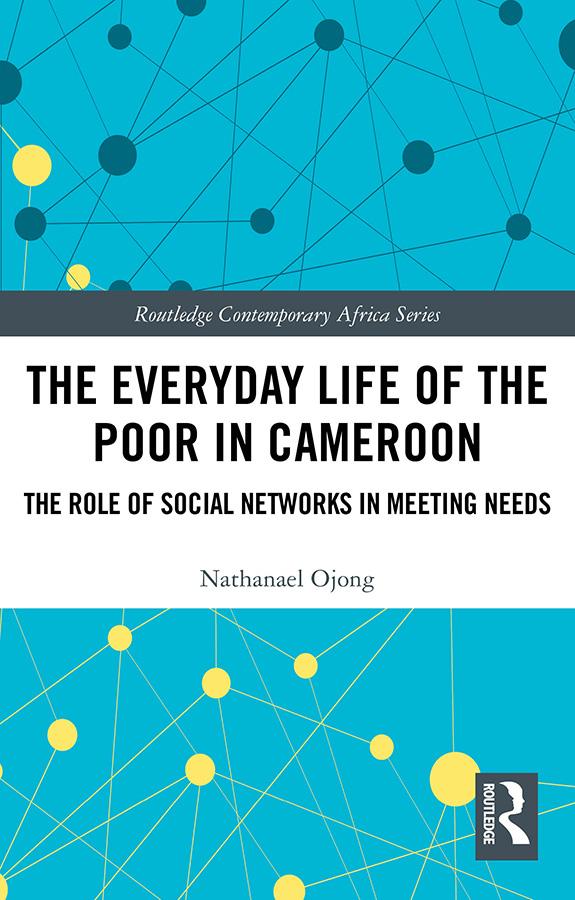
This book provides a detailed account of the lives of the poor, particularly their use of social networks to meet everyday needs.
Based on fieldwork in Cameroon, the book provides a distinctive approach that draws on social network theory and insights from economic anthropology to shed light on how the poor make a living. Though embeddedness in social networks is essential to human achievement, we know little about the social and cultural forces and processes that shape poor people’s decisions to seek help from strong, weak, and disposable ties in an African context. Focusing on network practice rather than network structure, the author argues that the ability of poor people to meet their diverse needs rests on several elements, such as favourable interactions and social and cultural forces. He examines various issues crucial to the lives of the poor, such as food, shelter, healthcare, death and funerals, and access to finance. Particular focus is given to the complicated nature of social relationships, the different contexts where these relationships take place, and how these factors shape poor individuals’ decisions regarding whom to turn to when attempting to meet their needs, including how they actually meet those needs.
This book will be of interest to researchers, teachers, students, and policy-makers in African Studies economics, development studies, sociology, and anthropology.
Strony: 154
Kategoria: Ekonomi & Utveckling
e-ISBN: 9780429638930
Waga przesyłki: 1.2 kg
Wysyłka w ciągu: 1-2 dni
Płać wygodnie kartą, Klarną, Apple Pay lub Google Pay. Nie jesteś zadowolony? Zawsze masz 14-dniową gwarancję zwrotu pieniędzy. Więcej przeczytasz w naszych warunkach. Masz pytania? Napisz do nas na hello@memmo.org.
Memmo ułatwia naukę – gdziekolwiek jesteś na świecie. U nas znajdziesz podręczniki i sprytne narzędzia do nauki w jednym miejscu: streszczenia, quizy, podcasty i fiszki. A do tego Ted, Twój kumpel do nauki, który odpowie na wszystko, co Cię nurtuje. Ponad 50 000 studentów już tu się uczy – stworzone, byś uczył się szybciej i mniej stresował.
Może Ci się spodobać
Kup książkę0