
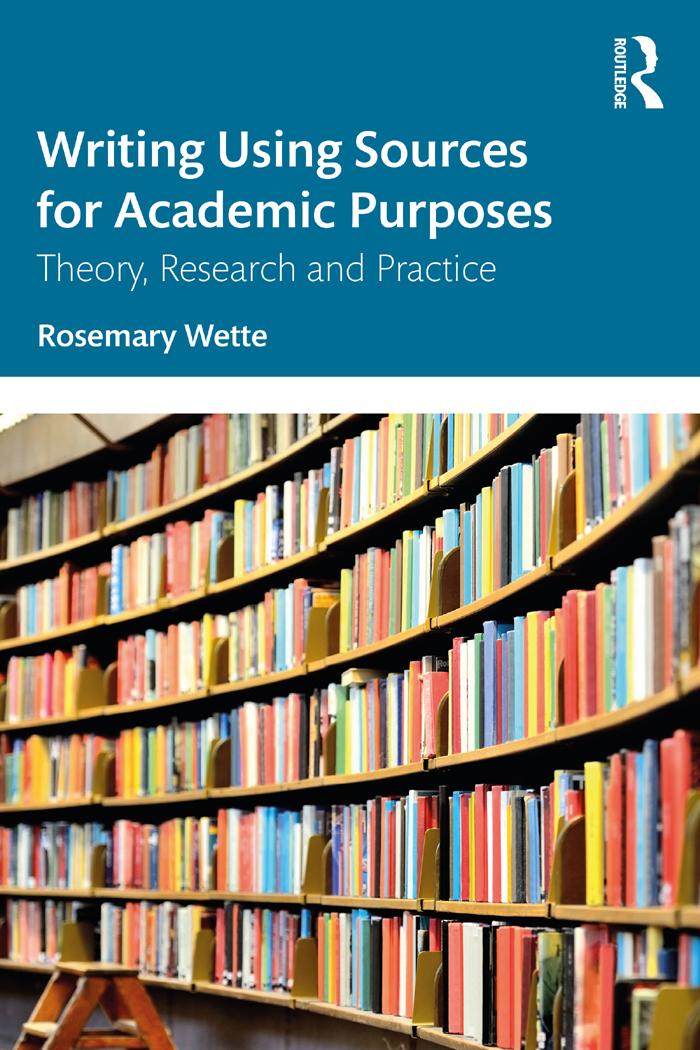
Writing Using Sources for Academic Purposes: Theory, Research and Practice provides research-based information about key components of source-based writing, and the challenges it presents for novices. Proficiency in source-based writing is an essential and challenging goal for all inexperienced academic writers, from both L1 and L2 backgrounds. This comprehensive book presents an innovative, integrated approach for graduate students, teaching faculty, and practice-oriented researchers in ESP/EAP around the world.
Each chapter includes suggestions and sample tasks for self-study or classroom use. Incorporating reviews of research and scholarly knowledge as well as information about likely challenges for novices, the book examines:
(1) Changing views on the origins of novices’ difficulties
(2) Pre-writing tasks that writers need to work through, from locating and evaluating sources to proficient reading-to-write and summarizing strategies
(3) Citing types and purposes
(4) The more sophisticated abilities of conveying an appropriate stance and engaging with readers
(5) Disciplinary citing practices
This book will be of interest to undergraduate and postgraduate writers from a variety of backgrounds, as well as their teachers and supervisors. It will be relevant to the growing number of researchers from non-English speaking backgrounds who are obliged to publish their work in English language international journals, and scholars who may be interested in carrying out research related to source-based writing.
Płać wygodnie kartą, Klarną, Apple Pay lub Google Pay. Nie jesteś zadowolony? Zawsze masz 14-dniową gwarancję zwrotu pieniędzy. Więcej przeczytasz w naszych warunkach. Masz pytania? Napisz do nas na hello@memmo.org.
Memmo ułatwia naukę – gdziekolwiek jesteś na świecie. U nas znajdziesz podręczniki i sprytne narzędzia do nauki w jednym miejscu: streszczenia, quizy, podcasty i fiszki. A do tego Ted, Twój kumpel do nauki, który odpowie na wszystko, co Cię nurtuje. Ponad 50 000 studentów już tu się uczy – stworzone, byś uczył się szybciej i mniej stresował.