
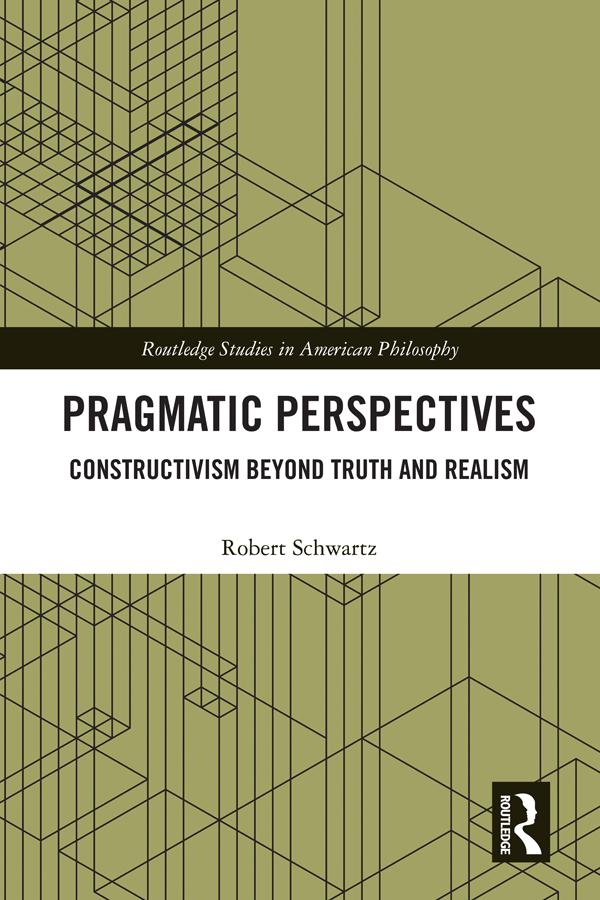
For a good part of the 20th century, the classic Pragmatists—Charles Sanders Peirce, William James, and John Dewey—and pragmatism in general were largely ignored by analytic philosophers. They were said to hold such untenable views as whatever best satisfies our needs is true and that the end justifies the means. Despite a recent revival of interest in these figures, spurred largely by the work of Richard Rorty, it is not uncommon to continue to hear claims that pragmatism is a subjectivist, anti-realist position that denies that there is a mind-independent world, and fails to place objective constraints on inquiry.
In this book, Robert Schwartz dispels these traditional views by examining the empiricist and constructivist orientation of the classic pragmatists. Based on updated and expanded versions of his influential papers, as well as a number of previously unpublished essays, in this book Schwartz demonstrates the relevance of pragmatic thought to a wide range of issues beyond concerns over truth and realism that currently dominate discussions. The individual essays elaborate and defend pragmatic, instrumentalist, and constructivist conceptions of truth and inquiry, moral discourse and ethical statements, perception, art, and worldmaking. Pragmatic Perspectives will appeal to scholars interested in the history of American philosophy and pragmatic approaches to contemporary issues in analytic philosophy.
Płać wygodnie kartą, Klarną, Apple Pay lub Google Pay. Nie jesteś zadowolony? Zawsze masz 14-dniową gwarancję zwrotu pieniędzy. Więcej przeczytasz w naszych warunkach. Masz pytania? Napisz do nas na hello@memmo.org.
Memmo ułatwia naukę – gdziekolwiek jesteś na świecie. U nas znajdziesz podręczniki i sprytne narzędzia do nauki w jednym miejscu: streszczenia, quizy, podcasty i fiszki. A do tego Ted, Twój kumpel do nauki, który odpowie na wszystko, co Cię nurtuje. Ponad 50 000 studentów już tu się uczy – stworzone, byś uczył się szybciej i mniej stresował.