
Zanim poznałem Memmo, moje notatki były rozrzucone po PDF-ach. Teraz obszar roboczy zbiera wszystko w jednym miejscu — widzę dokładnie, co jeszcze muszę powtórzyć.
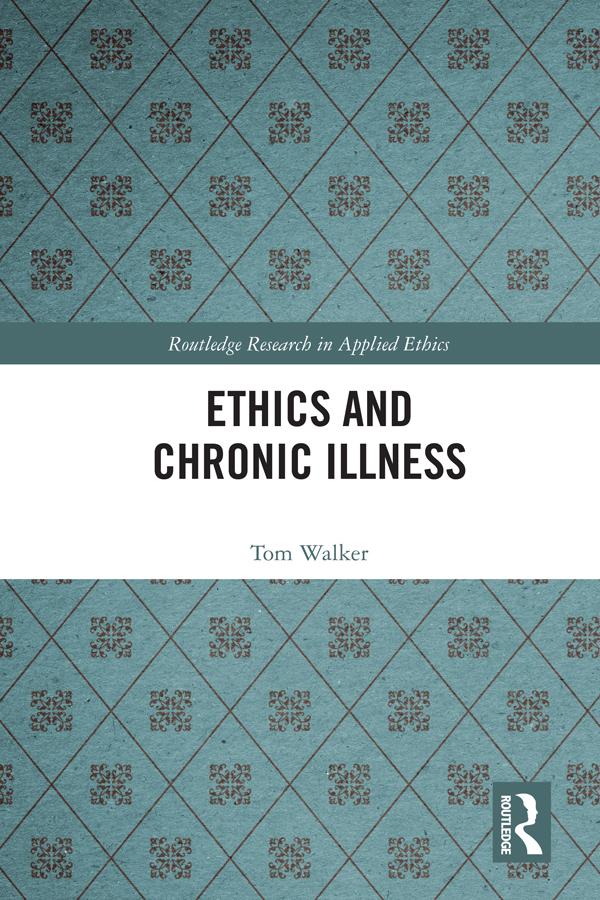
This book provides an account of the ethics of chronic illness. Chronic illness differs from other illnesses in that it is often incurable, patients can live with it for many years, and its day-to-day management is typically carried out by the patient or members of their family. These features problematise key distinctions that underlie much existing work in medical ethics including those between beneficence and autonomy, between treatment and prevention, and between the recipient and provider of treatment.
The author carries out a detailed reappraisal of the roles of both autonomy and beneficence across the different stages of treatment for a range of chronic illnesses. A central part of the author’s argument is that in the treatment of chronic illness, the patient and/or the patient’s family should be seen as acting with healthcare professionals to achieve a common aim. This aspect opens up unexplored questions such as what healthcare professionals should do when patients are managing their illness poorly, the ethical implications of patients being responsible for parts of their treatment, and how to navigate sharing information with those directly involved in patient care without violating privacy or breaching confidentiality. The author addresses these challenges by engaging with philosophical work on shared commitments and joint action, responsibility and justice, and privacy and confidentiality.
The Ethics of Chronic Illness provides a new, and much needed, critical reappraisal of healthcare professionals’ obligations to their patients. It will be of interests to academics working in bioethics and medical ethics, philosophers interested in the topics of autonomy, responsibility, and consent, and medical practitioners who treat patients with chronic illness.
Zanim poznałem Memmo, moje notatki były rozrzucone po PDF-ach. Teraz obszar roboczy zbiera wszystko w jednym miejscu — widzę dokładnie, co jeszcze muszę powtórzyć.
Podsumowania Memmo to złoto przed egzaminami. Nie muszę czytać 800 stron dwa tygodnie wcześniej — tylko to, co najważniejsze.
Czat AI uratował mnie niejeden raz w noc przed egzaminem. Pytam, dopóki nie zrozumiem — i nie muszę czekać na odpowiedź od grupy studyjnej.
Quizy trafiają w punkt, jeśli chodzi o to, co muszę wiedzieć. Memmo śledzi, na czym się zacinam — więc ćwiczę tylko to, co naprawdę się liczy.
Fiszki z powtórkami rozłożonymi w czasie to magia. Memmo wie, kiedy mam coś zapomnieć i przypomina mi o tym.
Podcasty AI to mój faworyt. Słucham w drodze do szkoły i powtarzam materiał, nie siedząc przed komputerem.

Handbok i kvalitativa metoder
281 kr

Hållbar utveckling: en introduktion för ingenjörer och andra problemlösare
334 kr

Brymans Samhällsvetenskapliga metoder
390 kr

Projektledning
491 kr

Den orättvisa hälsan: om socioekonomiska skillnader i hälsa och livslängd
326 kr

Organizational Leadership
429 kr

Vetenskapsteori för nybörjare
196 kr

På väg mot läraryrket
172 kr

Det sociala livet i skolan: Socialpsykologiska perspektiv
253 kr

Betygsättningens didaktik
151 kr

Personality
402 kr

Studying Leadership
404 kr

Managing Innovation
477 kr

Introduktion till samhällsvetenskaplig metod
347 kr

The Psychology of Sex and Gender
698 kr

Introduction to Leadership
605 kr

Evidens och kunskap för socialt arbete
207 kr