
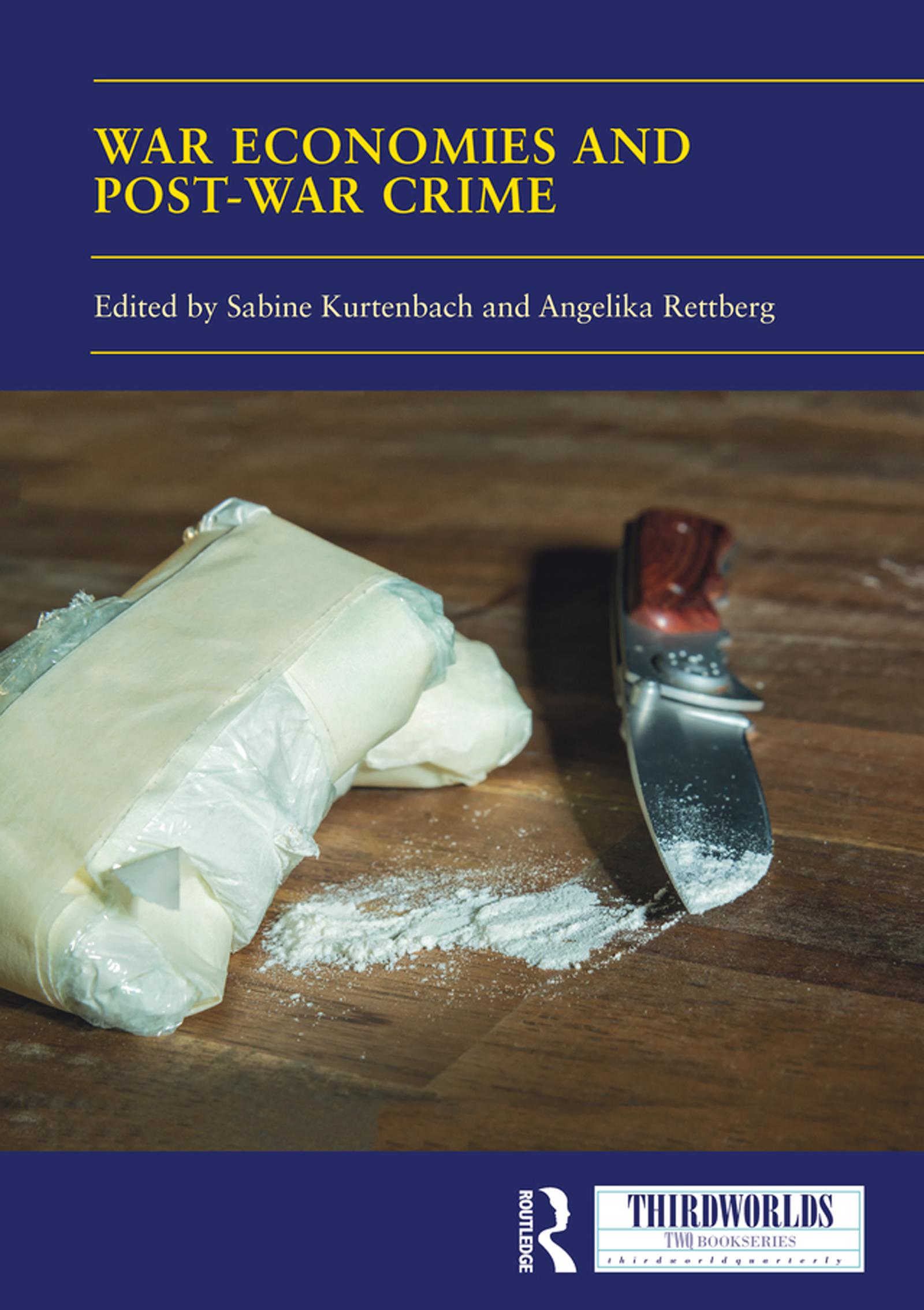
Even when armed conflicts formally end, the transition to peace is not clear-cut. This comprehensive volume explores the mounting evidence which suggests that it is rather ‘unlikely to see a clean break from violence to consent, from theft to production, from repression to democracy, or from impunity to accountability’. The authors analyse the complex endeavour of transitioning out of war, studying how it is often interrelated with other transformations such as changes in the political regime (democratisation) and in the economy (opening of markets to globalisation). They explore how, in the same way as wars and conflicts reflect the societies they befall, post-war orders may replicate and perpetuate some of the drivers of war-related violence, such as high levels of instability, institutional fragility, corruption, and inequality. This book thus suggests that, even in the absence of a formal relapse into war and the re-mobilisation of former insurgents, many transitional contexts are marked by the steady and ongoing reconfiguration of criminal and illegal groups and practices.
This book will be of great interest to students and researchers of political science and peace studies. It was originally published as an online special issue of Third World Thematics.
Płać wygodnie kartą, Klarną, Apple Pay lub Google Pay. Nie jesteś zadowolony? Zawsze masz 14-dniową gwarancję zwrotu pieniędzy. Więcej przeczytasz w naszych warunkach. Masz pytania? Napisz do nas na hello@memmo.org.
Memmo ułatwia naukę – gdziekolwiek jesteś na świecie. U nas znajdziesz podręczniki i sprytne narzędzia do nauki w jednym miejscu: streszczenia, quizy, podcasty i fiszki. A do tego Ted, Twój kumpel do nauki, który odpowie na wszystko, co Cię nurtuje. Ponad 50 000 studentów już tu się uczy – stworzone, byś uczył się szybciej i mniej stresował.