
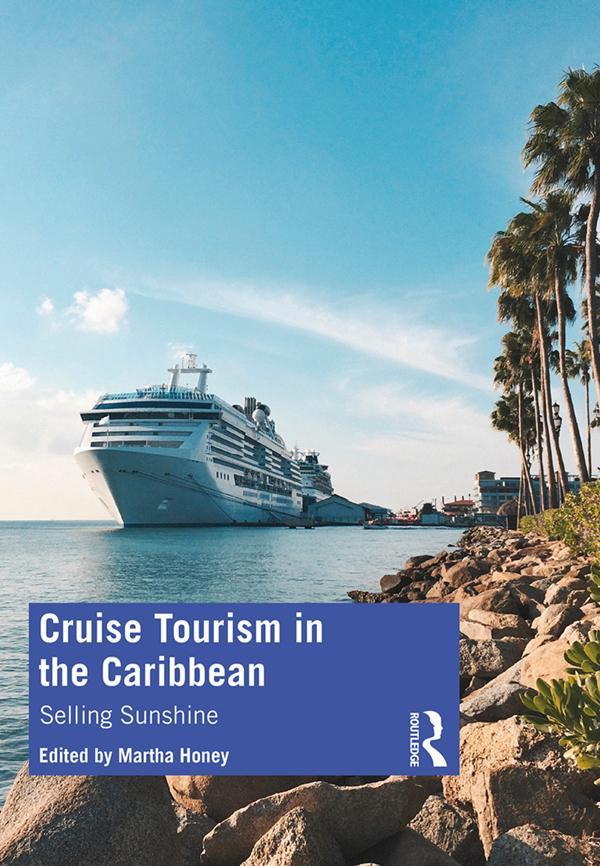
This book explores the lessons learned from half a century of Caribbean cruise tourism; one of the most popular and profitable sectors of the tourism industry.
The modern-day cruise industry dates from the 1960s when the three major cruise lines, Carnival, Royal Caribbean, and Norwegian, set up shop in Florida and began selling winter cruises to the Caribbean targeting American retirees. For geopolitical reasons, the US initially excluded cruises to Cuba. This changed in 2016, following the historic Obama-Castro agreement to move towards diplomatic, trade and travel normalization. Cuba quickly became the Caribbean’s fastest growing cruise destination.
This book considers the limited economic benefits of cruise tourism, its environmental and social impacts, and the effects of climate change, and "overtourism." Based on this analysis and case studies of key Caribbean and Mediterranean destinations, this book cautions against overdependence on cruise tourism and outlines reforms needed to bring more benefits and equity to Caribbean countries. It will be valuable to professionals, businesses, development agencies, NGOs, and academics interested in a sustainable cruise industry and the economic well-being of Caribbean island nations.
Płać wygodnie kartą, Klarną, Apple Pay lub Google Pay. Nie jesteś zadowolony? Zawsze masz 14-dniową gwarancję zwrotu pieniędzy. Więcej przeczytasz w naszych warunkach. Masz pytania? Napisz do nas na hello@memmo.org.
Memmo ułatwia naukę – gdziekolwiek jesteś na świecie. U nas znajdziesz podręczniki i sprytne narzędzia do nauki w jednym miejscu: streszczenia, quizy, podcasty i fiszki. A do tego Ted, Twój kumpel do nauki, który odpowie na wszystko, co Cię nurtuje. Ponad 50 000 studentów już tu się uczy – stworzone, byś uczył się szybciej i mniej stresował.