
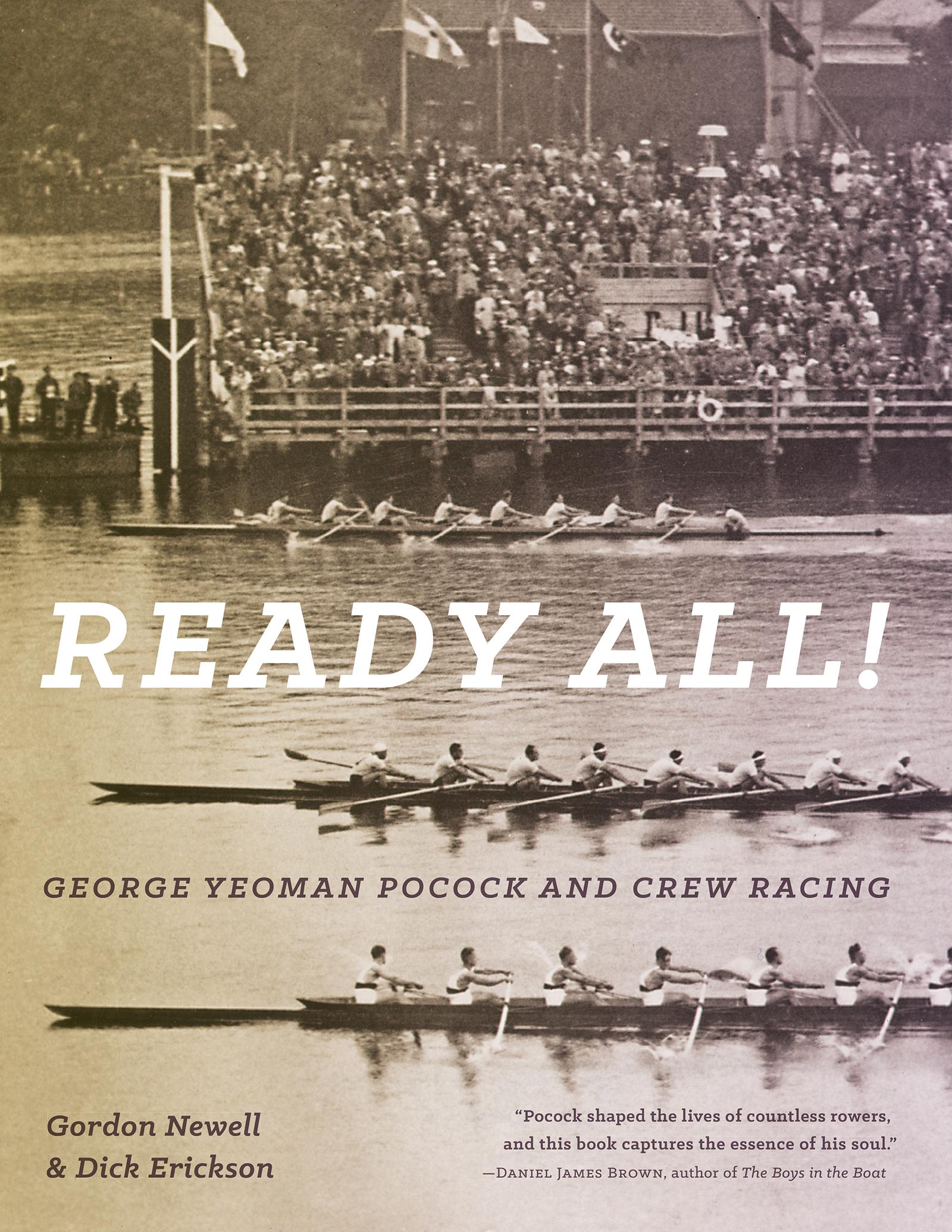
In the 1920s, an upstart West Coast college began to challenge the Eastern universities in the ancient sport of crew racing. Sportswriters scoffed at the “crude western boats” and their crews. But for the next forty years, the University of Washington dominated rowing around the world.
The secret of the Huskies’ success was George Pocock, a soft-spoken English immigrant raised on the banks of the Thames. Pocock combined perfectionism with innovation to make the lightest, best-balanced, fastest shells the world had ever seen. After studying the magnificent canoes built by Northwest Indians, he broke with tradition and began to make shells of native cedar.
Pocock, who had been a champion sculler in his youth, never credited his boats for the accomplishments of a crew. He wanted every rower to share his vision of discipline and teamwork. As rowers from the University of Washington went on to become coaches at major universities across the country, Pocock’s philosophy—and his shells—became nationally famous in the world of crew.
Drawing on documents provided by Pocock’s family, photographs from the University of Washington Crew Archives, and interviews with rowers who revered the man, Newell evokes the times as well as the life of this unique figure in American sport.
Płać wygodnie kartą, Klarną, Apple Pay lub Google Pay. Nie jesteś zadowolony? Zawsze masz 14-dniową gwarancję zwrotu pieniędzy. Więcej przeczytasz w naszych warunkach. Masz pytania? Napisz do nas na hello@memmo.org.
Memmo ułatwia naukę – gdziekolwiek jesteś na świecie. U nas znajdziesz podręczniki i sprytne narzędzia do nauki w jednym miejscu: streszczenia, quizy, podcasty i fiszki. A do tego Ted, Twój kumpel do nauki, który odpowie na wszystko, co Cię nurtuje. Ponad 50 000 studentów już tu się uczy – stworzone, byś uczył się szybciej i mniej stresował.