
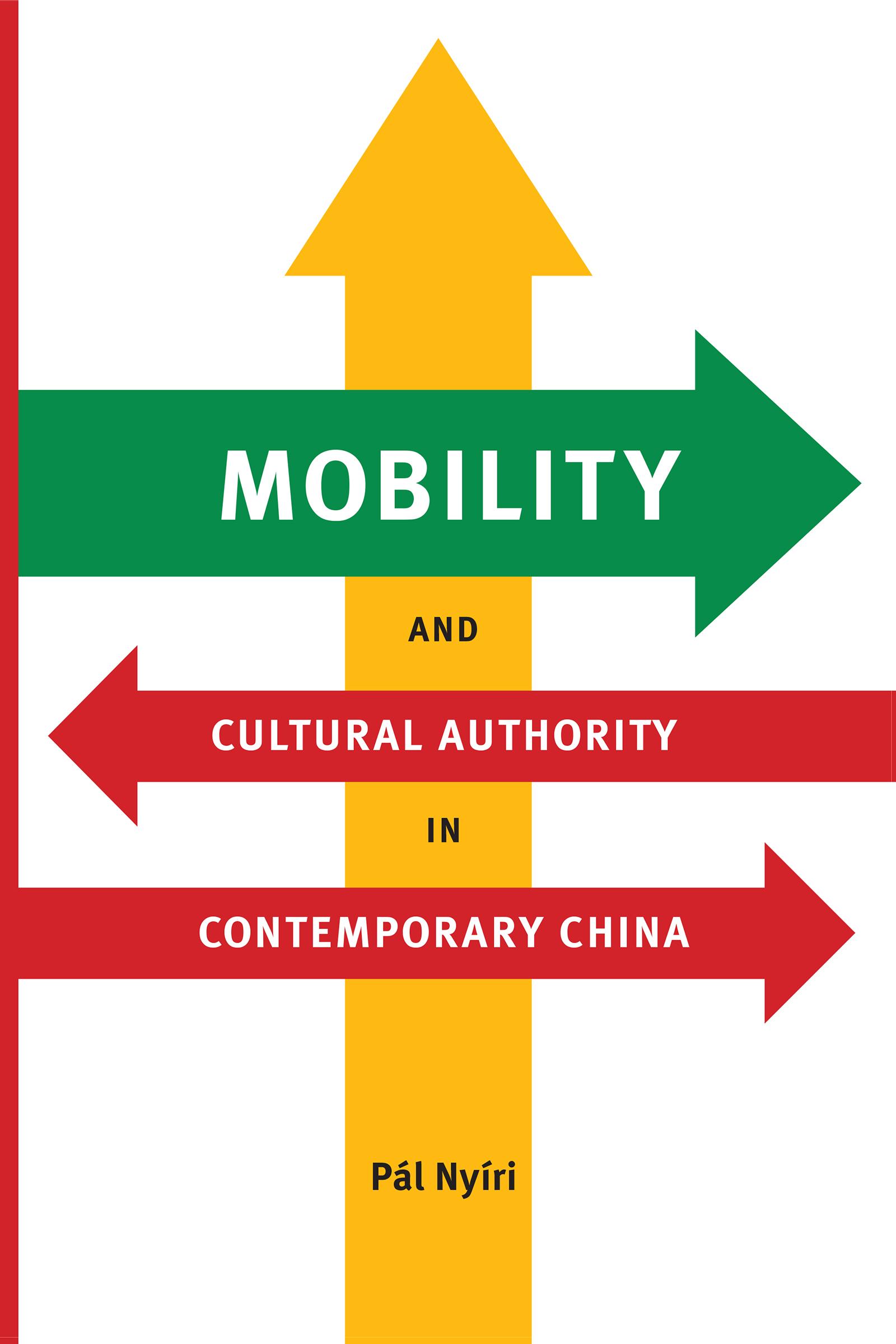
Chinese citizens are becoming increasingly mobile, both inside China and abroad, as migrant workers, tourists, and students. China is caught between perceived benefits and dangers posed by mobility, complicated by the government’s own conflicting impulses to support and discourage it. Mobility and Cultural Authority in Contemporary China demonstrates this intricate balance through an in-depth look at patterns of migration and state response.
Pál Nyíri argues that the loosening of China’s restrictions on internal and international migration, its promotion of domestic tourism, and its increasingly positive portrayal of migrants all follow a similar logic in which mobility comes to epitomize a new and modern China. Yet the loosening of administrative control is compensated by the imposition of cultural control over how mobility is represented and how mobile citizens make sense of their new experiences, as well as by continued restrictions on types of movement that are seen as undesirable.
With ever-growing popular and academic scrutiny of the topic of national and international migration, this compact, engrossing, and timely study is well poised to be read widely by scholars interested in globalization, nationalization, modernization, tourism, and modern China.
Płać wygodnie kartą, Klarną, Apple Pay lub Google Pay. Nie jesteś zadowolony? Zawsze masz 14-dniową gwarancję zwrotu pieniędzy. Więcej przeczytasz w naszych warunkach. Masz pytania? Napisz do nas na hello@memmo.org.
Memmo ułatwia naukę – gdziekolwiek jesteś na świecie. U nas znajdziesz podręczniki i sprytne narzędzia do nauki w jednym miejscu: streszczenia, quizy, podcasty i fiszki. A do tego Ted, Twój kumpel do nauki, który odpowie na wszystko, co Cię nurtuje. Ponad 50 000 studentów już tu się uczy – stworzone, byś uczył się szybciej i mniej stresował.