
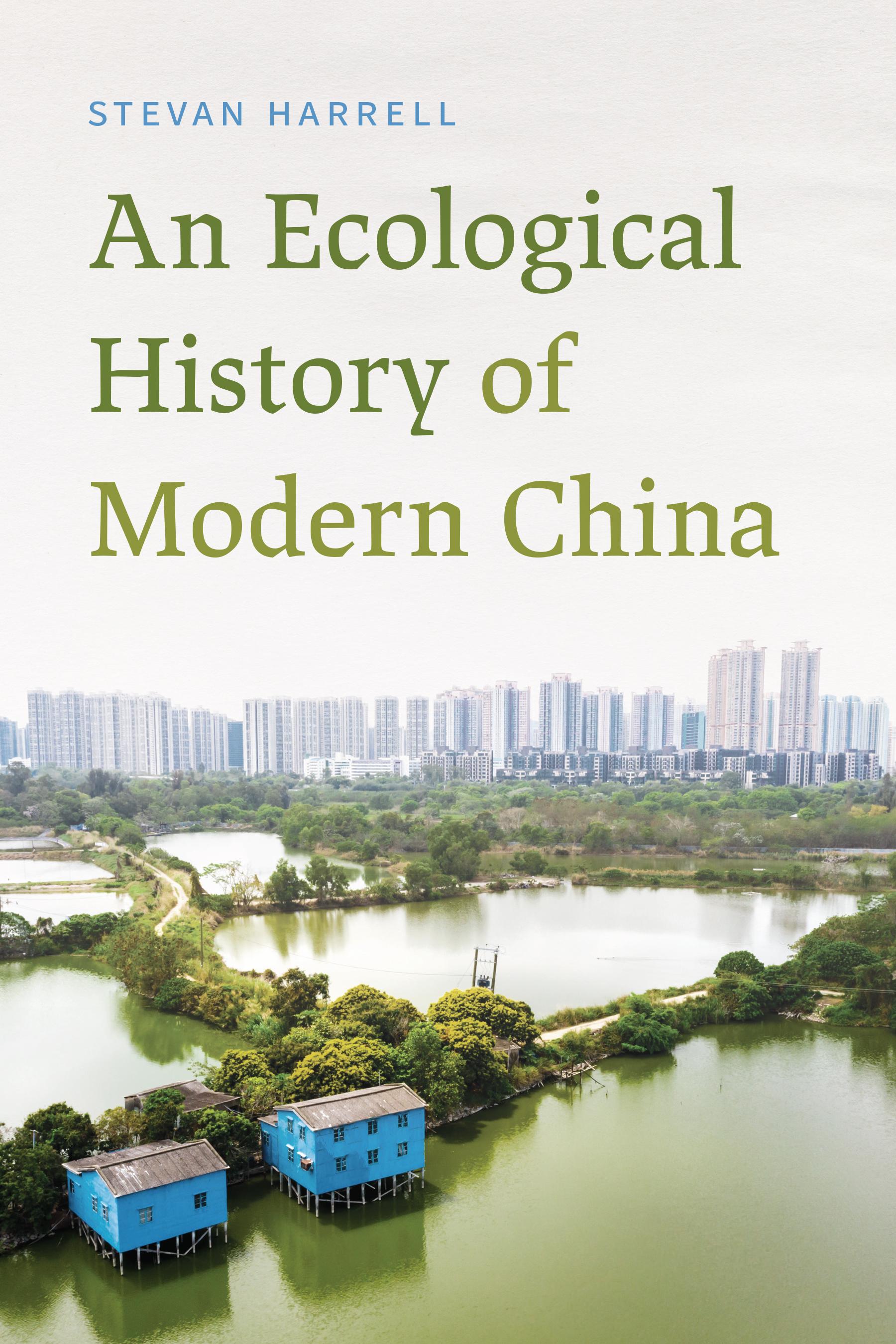
How mega-dams, industrial agriculture, and other developments challenge ecosystem resilience
Is environmental degradation an inevitable result of economic development? Can ecosystems be restored once government officials and the public are committed to doing so? These questions are at the heart of An Ecological History of Modern China, a comprehensive account of China's transformation since the founding of the People's Republic from the perspective not of the economy but of the biophysical world. Examples throughout illustrate how agricultural, industrial, and urban development have affected the resilience of China's ecosystems—their ability to withstand disturbances and additional growth—and what this means for the country's future.
Drawing on decades of research, Stevan Harrell demonstrates the local and global impacts of China's miraculous rise. In clear and accessible prose, An Ecological History of Modern China untangles the paradoxes of development and questions the possibility of a future that is both prosperous and sustainable. It is a critical resource for students, scholars, and general readers interested in environmental change, Chinese history, and sustainable development.
Płać wygodnie kartą, Klarną, Apple Pay lub Google Pay. Nie jesteś zadowolony? Zawsze masz 14-dniową gwarancję zwrotu pieniędzy. Więcej przeczytasz w naszych warunkach. Masz pytania? Napisz do nas na hello@memmo.org.
Memmo ułatwia naukę – gdziekolwiek jesteś na świecie. U nas znajdziesz podręczniki i sprytne narzędzia do nauki w jednym miejscu: streszczenia, quizy, podcasty i fiszki. A do tego Ted, Twój kumpel do nauki, który odpowie na wszystko, co Cię nurtuje. Ponad 50 000 studentów już tu się uczy – stworzone, byś uczył się szybciej i mniej stresował.