
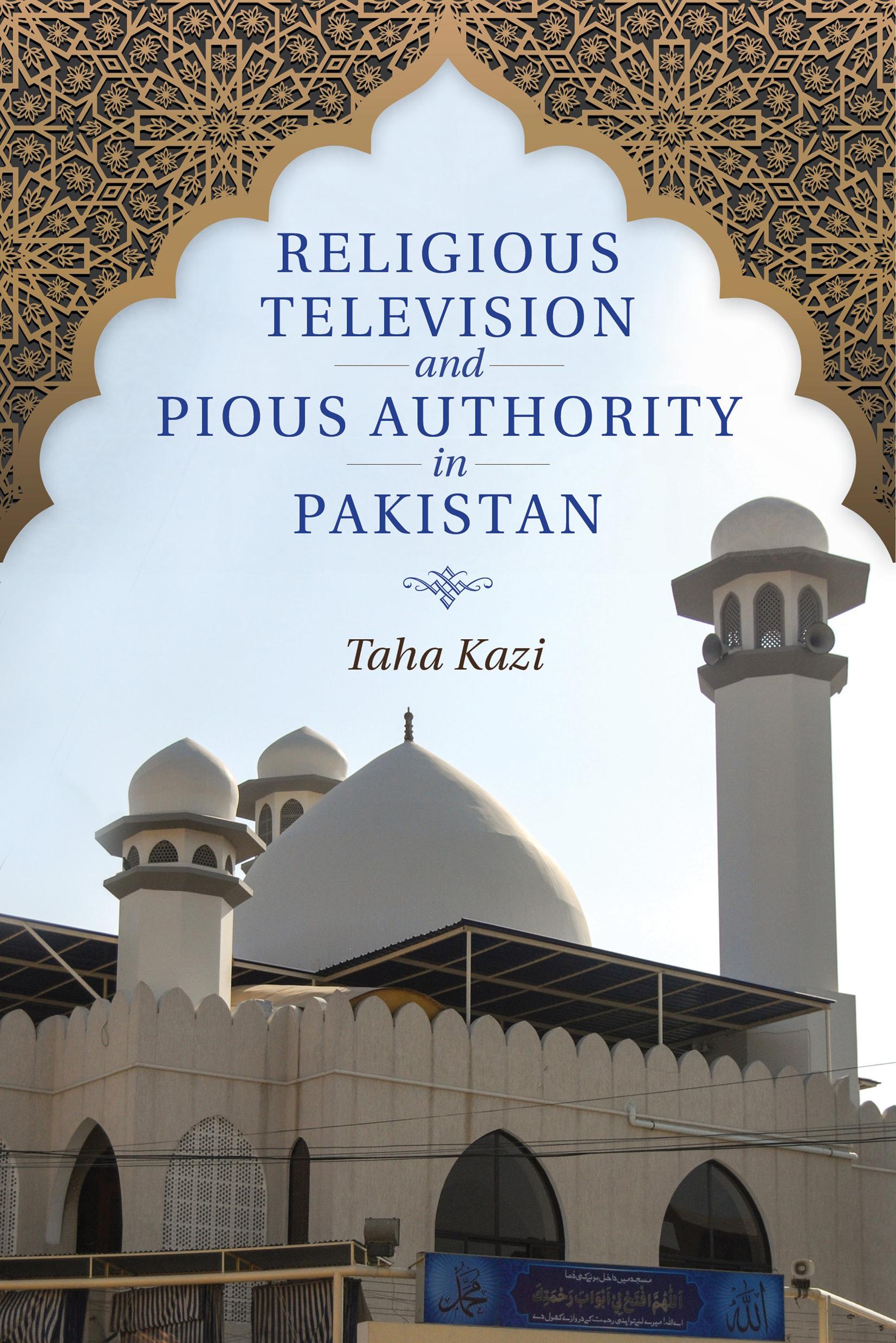
In Pakistan, religious talk shows emerged as a popular television genre following the 2002 media liberalization reforms. Since then, these shows have become important platforms where ideas about Islam and religious authority in Pakistan are developed and argued. In Religious Television and Pious Authority in Pakistan, Taha Kazi reveals how these talk shows mediate changes in power, belief, and practice. She also identifies the sacrifices and compromises that religious scholars feel compelled to make in order to ensure their presence on television. These scholars, of varying doctrinal and educational backgrounds—including madrasa-educated scholars and self-taught celebrity preachers—are given screen time to debate and issue religious edicts on the authenticity and contemporary application of Islamic concepts and practices. In response, viewers are sometimes allowed to call in live with questions. Kazi maintains that these featured debates inspire viewers to reevaluate the status of scholarly edicts, thereby fragmenting religious authority. By exploring how programming decisions inadvertently affect viewer engagements with Islam, Religious Television and Pious Authority in Pakistan looks beyond the revivalist impact of religious media and highlights the prominence of religious talk shows in disrupting expectations about faith.
Płać wygodnie kartą, Klarną, Apple Pay lub Google Pay. Nie jesteś zadowolony? Zawsze masz 14-dniową gwarancję zwrotu pieniędzy. Więcej przeczytasz w naszych warunkach. Masz pytania? Napisz do nas na hello@memmo.org.
Memmo ułatwia naukę – gdziekolwiek jesteś na świecie. U nas znajdziesz podręczniki i sprytne narzędzia do nauki w jednym miejscu: streszczenia, quizy, podcasty i fiszki. A do tego Ted, Twój kumpel do nauki, który odpowie na wszystko, co Cię nurtuje. Ponad 50 000 studentów już tu się uczy – stworzone, byś uczył się szybciej i mniej stresował.