
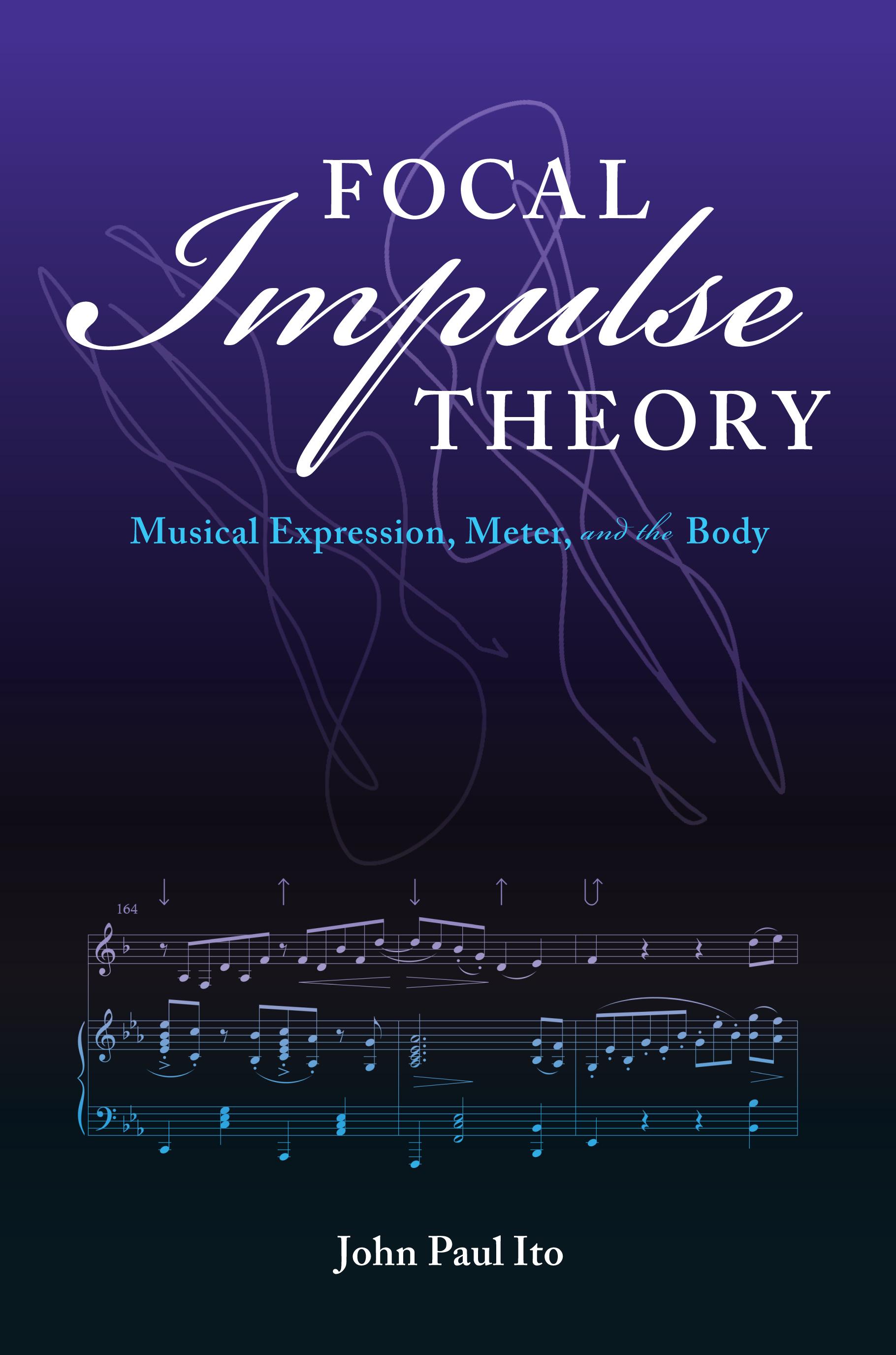
Music is surrounded by movement, from the arching back of the guitarist to the violinist swaying with each bow stroke.
To John Paul Ito, these actions are not just a visual display; rather, they reveal what it really means for musicians to move with the beat, organizing the flow of notes from beat to beat and shaping the sound produced. By developing "focal impulse theory," Ito shows how a performer's choices of how to move with the meter can transform the music's expressive contours. Change the dance of the performer's body, and you change the dance of the notes.
As Focal Impulse Theory deftly illustrates, bodily movements carry musical meaning and, in a very real sense, are meaning.
Płać wygodnie kartą, Klarną, Apple Pay lub Google Pay. Nie jesteś zadowolony? Zawsze masz 14-dniową gwarancję zwrotu pieniędzy. Więcej przeczytasz w naszych warunkach. Masz pytania? Napisz do nas na hello@memmo.org.
Memmo ułatwia naukę – gdziekolwiek jesteś na świecie. U nas znajdziesz podręczniki i sprytne narzędzia do nauki w jednym miejscu: streszczenia, quizy, podcasty i fiszki. A do tego Ted, Twój kumpel do nauki, który odpowie na wszystko, co Cię nurtuje. Ponad 50 000 studentów już tu się uczy – stworzone, byś uczył się szybciej i mniej stresował.