
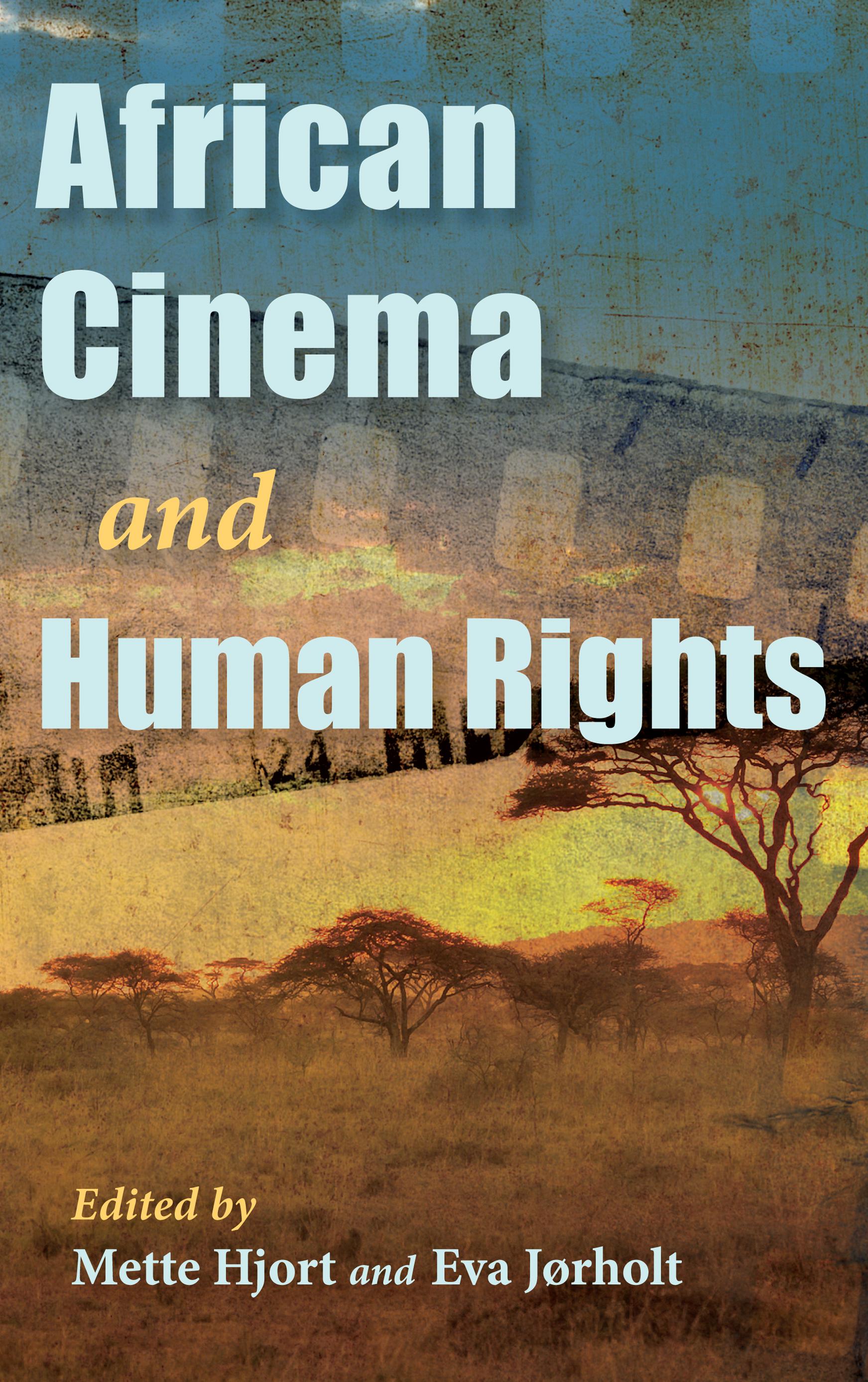
Bringing theory and practice together, African Cinema and Human Rights argues that moving images have a significant role to play in advancing the causes of justice and fairness. The contributors to this volume identify three key ways in which film can achieve these goals: documenting human rights abuses and thereby supporting the claims of victims and goals of truth and reconciliation within larger communities; legitimating, and consequently solidifying, an expanded scope for human rights; and promoting the realization of social and economic rights. Including the voices of African scholars, scholar-filmmakers, African directors Jean-Marie Teno and Gaston Kaboré, and researchers whose work focuses on transnational cinema, this volume explores overall perspectives, and differences of perspective, pertaining to Africa, human rights, and human rights filmmaking alongside specific case studies of individual films and areas of human rights violations. With its interdisciplinary scope, attention to practitioners' self-understandings, broad perspectives, and particular case studies, African Cinema and Human Rights is a foundational text that offers questions, reflections, and evidence that help us to consider film's ideal role within the context of our ever-continuing struggle towards a more just global society.
Płać wygodnie kartą, Klarną, Apple Pay lub Google Pay. Nie jesteś zadowolony? Zawsze masz 14-dniową gwarancję zwrotu pieniędzy. Więcej przeczytasz w naszych warunkach. Masz pytania? Napisz do nas na hello@memmo.org.
Memmo ułatwia naukę – gdziekolwiek jesteś na świecie. U nas znajdziesz podręczniki i sprytne narzędzia do nauki w jednym miejscu: streszczenia, quizy, podcasty i fiszki. A do tego Ted, Twój kumpel do nauki, który odpowie na wszystko, co Cię nurtuje. Ponad 50 000 studentów już tu się uczy – stworzone, byś uczył się szybciej i mniej stresował.