
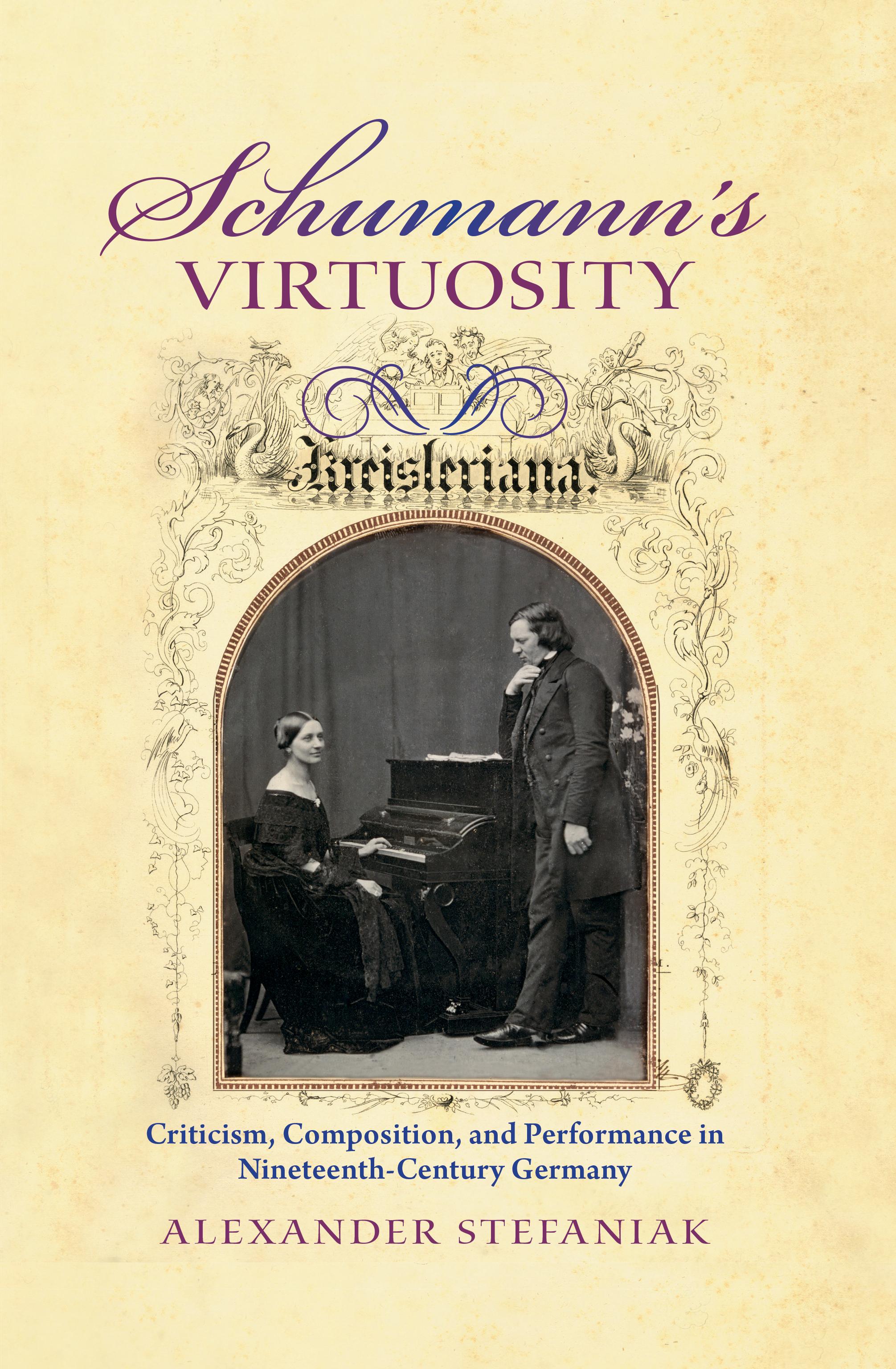
Considered one of the greatest composers—and music critics—of the Romantic era, Robert Schumann (1810–1856) played an important role in shaping nineteenth-century German ideas about virtuosity. Forging his career in the decades that saw abundant public fascination with the feats and creations of virtuosos (Liszt, Paganini, and Chopin among others), Schumann engaged with instrumental virtuosity through not only his compositions and performances but also his music reviews and writings about his contemporaries. Ultimately, the discourse of virtuosity influenced the culture of Western "art music" well beyond the nineteenth century and into the present day. By examining previously unexplored archival sources, Alexander Stefaniak looks at the diverse approaches to virtuosity Schumann developed over the course of his career, revealing several distinct currents in nineteenth-century German virtuosity and the enduring flexibility of virtuosity discourse.
Płać wygodnie kartą, Klarną, Apple Pay lub Google Pay. Nie jesteś zadowolony? Zawsze masz 14-dniową gwarancję zwrotu pieniędzy. Więcej przeczytasz w naszych warunkach. Masz pytania? Napisz do nas na hello@memmo.org.
Memmo ułatwia naukę – gdziekolwiek jesteś na świecie. U nas znajdziesz podręczniki i sprytne narzędzia do nauki w jednym miejscu: streszczenia, quizy, podcasty i fiszki. A do tego Ted, Twój kumpel do nauki, który odpowie na wszystko, co Cię nurtuje. Ponad 50 000 studentów już tu się uczy – stworzone, byś uczył się szybciej i mniej stresował.